Why New Yorkers moved to Florida, and whether it’s a tax haven for hotel owners
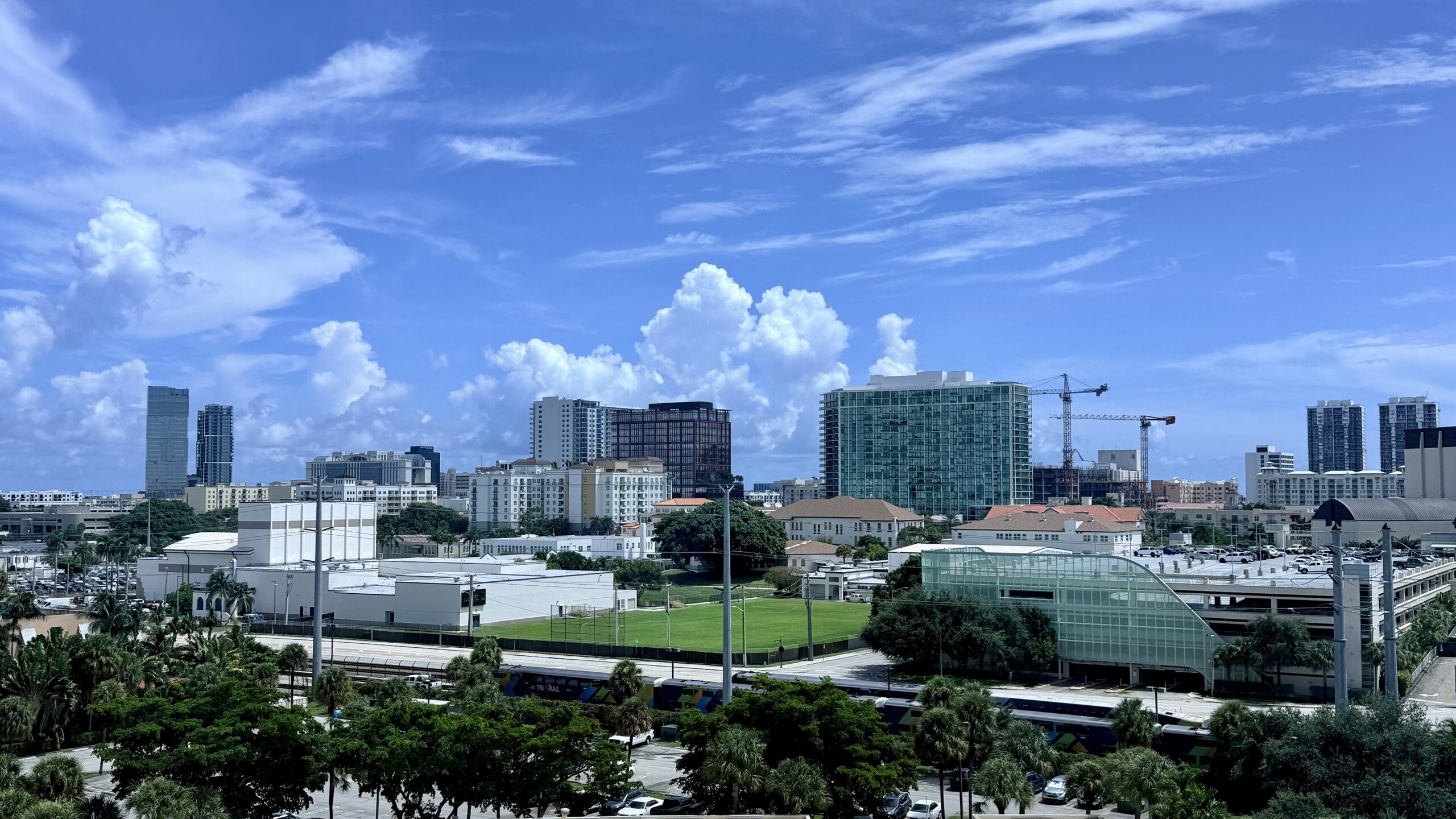
New York lost $9.9 billion in taxable income to other states in one year. Florida gained $20.6 billion, more than any state. For hotel owners, the money followed the people, and so did the room rates. But Florida is a tax haven for the owner, not for the hotel.
The migration, in dollars
The cleanest measure is IRS migration data, which tracks the income of people who file in one state one year and another the next. For the 2022 tax year, the most recent full release, Florida had a net gain of $20.6 billion in adjusted gross income, the largest of any state. New York had a net loss of $9.9 billion, second only to California. Texas gained $5.5 billion.
The reason most often given is the obvious one. Florida has no personal income tax, and it is written into the state constitution. A New York City resident in the top bracket pays state and city income tax at a combined rate near 15%. Florida also has no estate tax.
New York’s 2026 tax fight
The pressure has not let up. New York City Mayor Zohran Mamdani proposed a 2% tax increase on wealthy New Yorkers, and state lawmakers floated higher rates on top earners this spring. The final state budget signed in May left income tax rates where they were, according to CBIZ’s review of the law. It did add a surcharge on New York City second homes starting July 1, 2026: 0.8% to 6.5% of value above $1 million for condos and co-ops, or above $5 million for other property.
For a wealthy New Yorker deciding where to be a legal resident, that combination, high income tax rates plus a new charge on keeping a pied-à-terre, makes Florida residency look better, not worse.
The money showed up in Florida hotels
Follow the migration to Palm Beach County. Through August, Palm Beach hotels posted RevPAR of $227.71, up 12.2% from a year earlier, on an average rate of $310.21, according to STR data published by the Greater Miami Convention & Visitors Bureau. Miami-Dade hotels raised rates 12.8% and RevPAR 10.1% even as they filled slightly fewer rooms.
The buyers often have New York roots. Related Ross, the Florida arm of New York developer Related Companies, bought The Ben, Autograph Collection, in West Palm Beach in March. Elliott Management, the hedge fund that moved its headquarters from New York to West Palm Beach in 2020, bought Mayfair House Hotel & Garden in Coconut Grove in June for about $110 million. Florida also produced several of the year’s priciest U.S. resort trades, from Grande Lakes Orlando at about $867,000 a key to Pier House in Key West at about $1.34 million.
Is Florida a tax haven for hotel owners?
For the owner, mostly yes. Most hotels are owned through LLCs or partnerships, so the profits pass through to the owners’ personal returns. In Florida, there is no state income tax on that money. A C corporation still pays Florida’s 5.5% corporate income tax.
For the hotel itself, no. The building pays plenty:
- Taxes on every stay. Florida charges a 6% state sales tax on hotel rooms, plus county surtaxes and tourist development taxes. Guests pay them, but they show up in the rate you can charge.
- Property taxes. Commercial property is assessed at market value, and non-homestead assessments can rise up to 10% a year.
- Insurance. Wind and flood coverage on the coast is among the most expensive in the country, even after premiums eased this year.
One cost did go away. Florida was the last state to tax commercial rent, and that tax was repealed for rental periods starting Oct. 1, 2025. Hotels that lease their land, restaurant or retail space no longer pay it on those leases.
The vote to watch: Nov. 3
Florida voters will decide on Nov. 3 whether to amend the constitution to cut property taxes. The measure would raise the homestead exemption for homeowners and, for hotel owners, lower the annual cap on assessment increases for non-homestead property from 10% to 5% for non-school taxes. It needs 60% of the vote to pass.
If it passes, hotel owners would get slower growth in their property tax bills. Local governments, which lean heavily on property taxes, would have to make up the money somewhere, and tourist taxes on hotel stays are an easy place to look.
What it means for owners
Florida is a tax haven for the person who owns the hotel, not for the hotel. The migration of high earners from New York and other high-tax states has pushed South Florida room rates up double digits, and those buyers are paying record prices for resorts. But the hotel’s own costs, from insurance to property and room taxes, are as high as anywhere. Underwrite the building on Florida’s costs, and count the income tax savings as yours, not the property’s.
Track every Florida sale on our Florida Hotel Market 2026 page.
Sources
- Florida Realtors, IRS data shows income migration continues to favor Florida (June 2026)
- CBIZ, New York State enacts 2026–2027 budget
- Mamdani calls for 2% tax hike on wealthy New Yorkers
- CPA Practice Advisor, New York lawmakers propose boosting taxes on the rich (Mar. 10, 2026)
- The Hotelier Times, Florida Hotel Market 2026 (STR via Greater Miami CVB; transaction sources)
- Avalara, Florida repeals sales tax on commercial rent
- WFLX, Florida property-tax amendment clears Legislature (June 2, 2026)
- Florida Realtors, Attorney general rewrites property tax amendment (Aug. 2026)




Comments
No comments yet. Start the conversation.