The Viral “No Staff, Just Zoom” Hotel Is a Best Western. Can Your Brand Make You Staff the Desk?
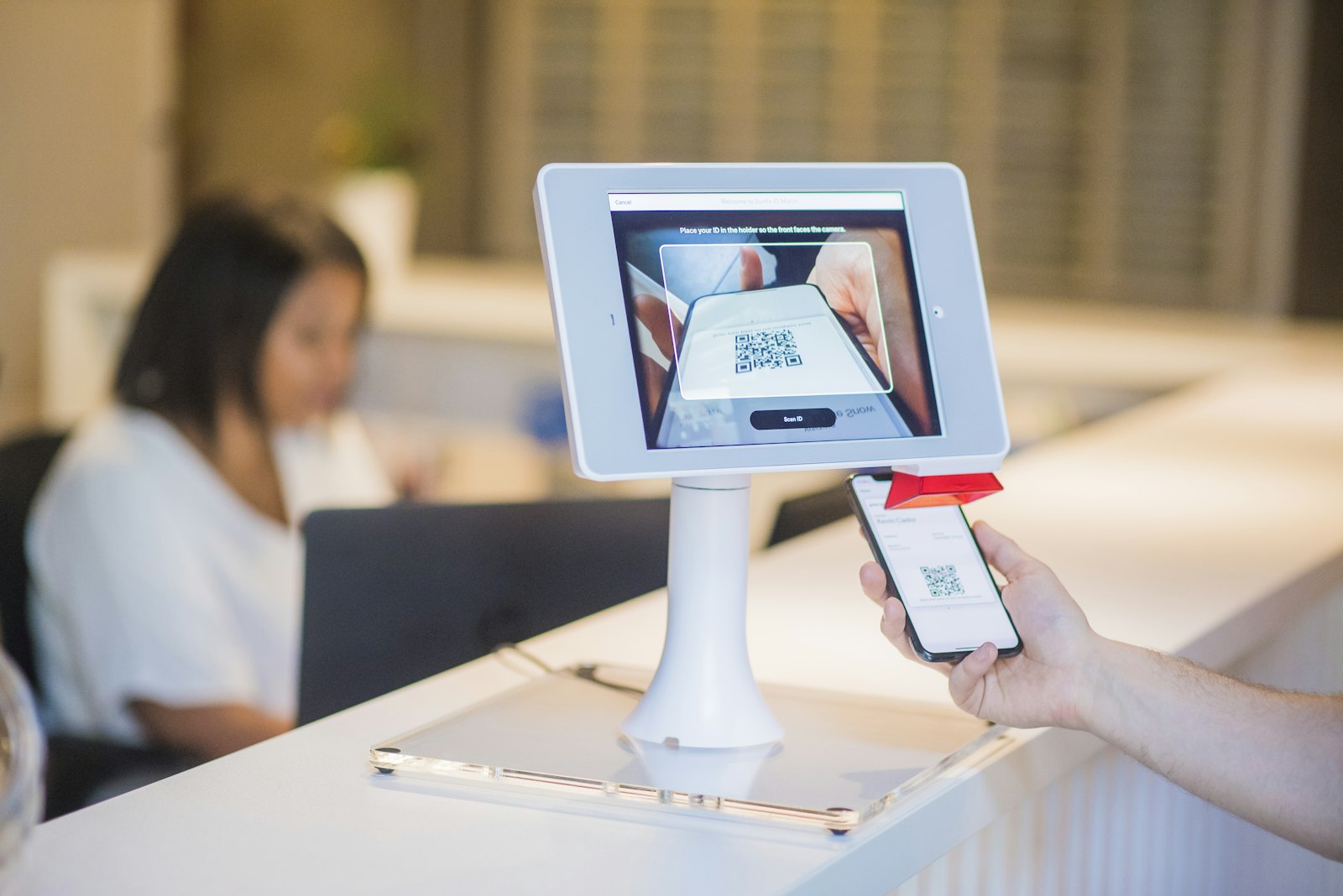
A guest’s video of a San Jose hotel with no one at the desk, only a screen and a remote worker on Zoom, now has a brand name attached. For franchisees testing remote check-in, that changes the conversation.
Last week, a guest walked into a hotel in San Jose, Calif., and found nobody behind the front desk. To check in, he used a kiosk and talked over Zoom with a remote employee he described as working overseas. He filmed it, called it “dystopian,” and asked whether this was normal in California.
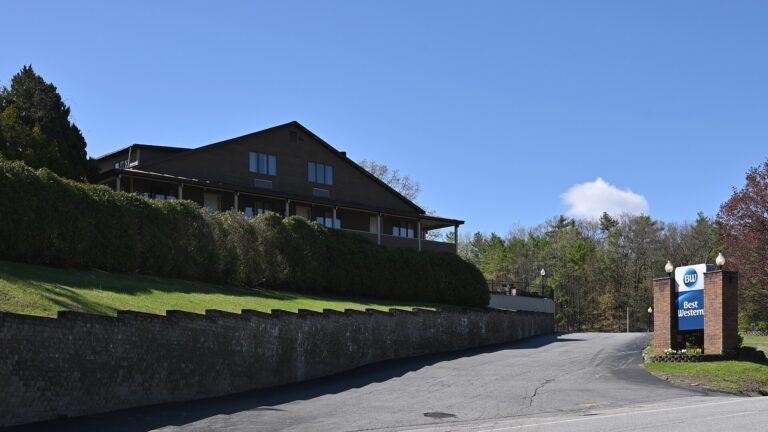
The TikTok video, posted Nov. 14, had passed 228,000 views by Wednesday. And on Thursday, BroBible reported which hotel it was: a Best Western.
What happened
When the video first spread, the hotel wasn’t named. Comments split. Some viewers called it unsafe or a sign of jobs going offshore. Others said they would rather skip the line anyway.
BroBible’s report identifies the property as a Best Western in San Jose. The article does not say whether the hotel is franchised or company-run, and the video itself doesn’t show whether any local jobs were cut. BroBible says it contacted Best Western and reported no response.
The Hotelier Times has not independently confirmed the property. If Best Western comments, we will update this story.
The last time this happened, the kiosk came out
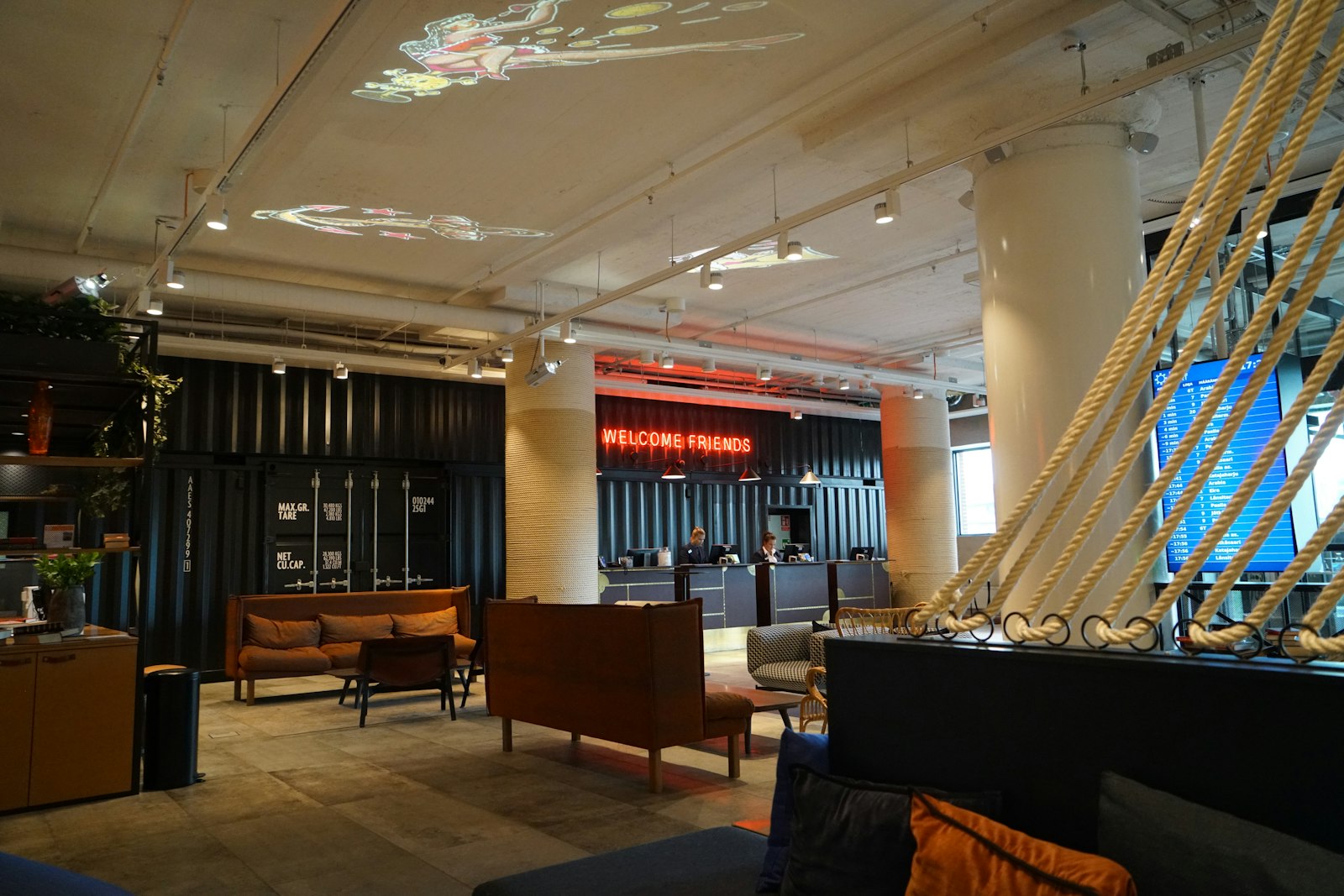
This isn’t the first viral Zoom check-in. In August 2025, a similar remote check-in at a La Quinta in Sunrise, Fla., went viral, BroBible notes. Frommer’s reported at the time that the company had not approved that technology. Wyndham, which owns La Quinta, said its brand standards require a staffed front desk, and the franchisee agreed to remove the kiosk.
That is the lesson for owners. A labor-saving move that looks like an operations decision at the property becomes a brand-standards issue the moment a guest’s video names the flag.
Why owners are trying it anyway
The pressure behind remote check-in is real. A November industry briefing cited by BroBible found that more than half of surveyed U.S. hotels struggle with understaffing, and that at hotels that offer kiosks, about 30% of reservations use them.
Plenty of guests like a faster check-in. What they don’t like is walking into a lobby at night and finding no one there.
Before you install a kiosk, ask five questions
- What does my franchise agreement say? Read the front desk and staffing language in your brand standards. If they require a staffed desk, a kiosk with no one on site could put you in default.
- Did the brand approve the technology? In the La Quinta case, the company said it hadn’t. Get approval in writing.
- Who is on site at night? Guests and insurers care about safety, emergencies and lockouts. A screen can’t walk a guest to a room or handle a fire alarm.
- What will the guest see? A kiosk next to a staffed desk reads as convenience. A kiosk in an empty lobby reads as abandonment, and that’s the version that goes viral.
- What is your answer if a video goes up? Have a short, honest statement ready, and make sure your brand hears about it from you first.
The Bottom Line
Remote check-in can save payroll, and many guests won’t mind. But the San Jose video shows the risk: one guest with a phone can turn your staffing plan into your brand’s problem. Before you go deskless, make sure your franchise agreement, your brand and your night audit plan all agree with you.
Sources: BroBible, “Man Books Best Western Hotel In San Jose. Then He Sees The ‘Dystopian Way’ Guests Must Check In” (Nov. 19, 2026), which also cites Frommer’s on the 2025 La Quinta case and a November 2026 industry briefing on staffing and kiosk use. The Hotelier Times has not independently verified the property’s identity.



Comments
No comments yet. Start the conversation.