+Hold the Rate or Cut It? Two F1 Weekends Just Ran the Experiment
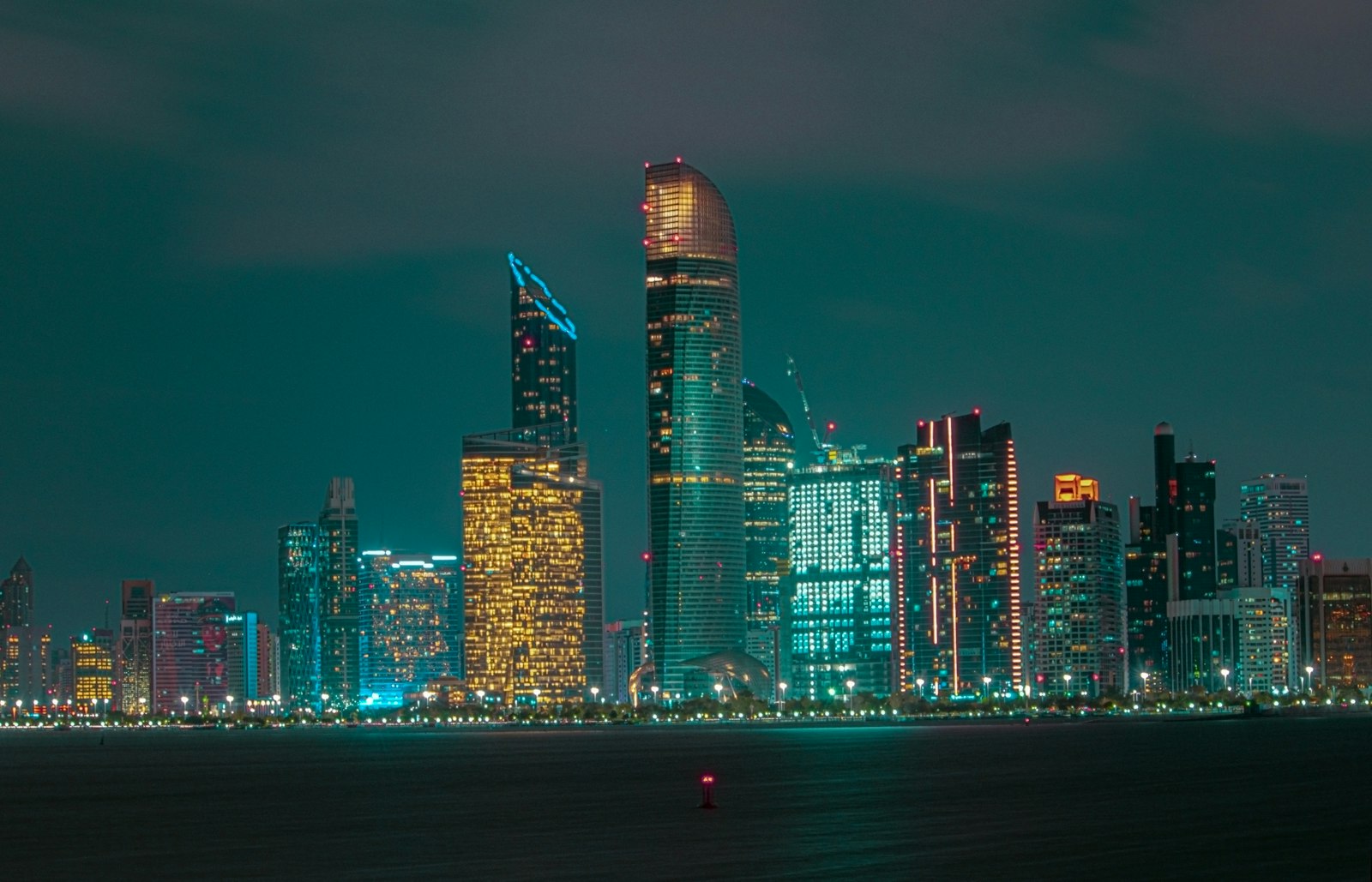
Abu Dhabi is asking about $733 a night for its Formula 1 weekend, up from last year. Doha cut 29%. Both are selling into weaker demand. Only one will be right.
Every revenue manager who has priced a big event knows the moment. The bookings aren’t coming in like last year. Do you hold the rate and wait for the late crowd, or cut now and fill the house?
This month, two Persian Gulf cities that host Formula 1 races a week apart made opposite calls. Their results will be a useful lesson for any U.S. hotel pricing a Super Bowl, a college football weekend or a big convention in 2027.
Two Cities, Two Strategies
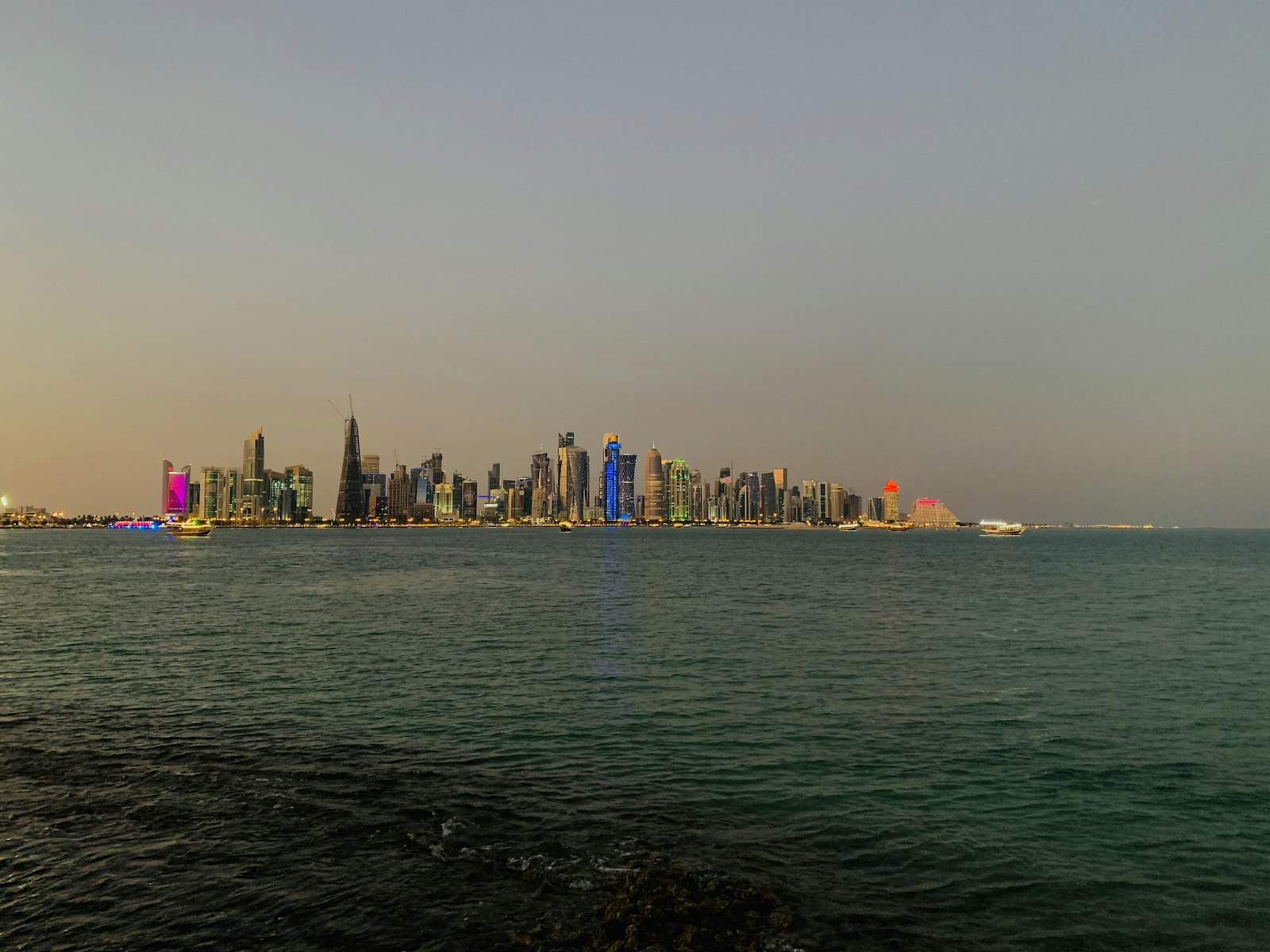
Doha’s race runs Nov. 26 to 28. Abu Dhabi’s runs Dec. 3 to 5. Data from Lighthouse, the hotel pricing data company, published by Skift on Nov. 18, shows where each city has set its rates:
- Abu Dhabi: an average asking rate of AED 2,692 (about $733) a night for race weekend, up 2.4% from last year. That’s 184% above the weekend before and 116% above the weekend after.
- Doha: an average of QAR 1,206 (about $331) a night, down 29% from 2025. That’s 67% above the weekend before and 78% above the weekend after.
By our math, Doha’s hotels were asking roughly $466 a night for the race last year. This year they are asking about $331. Abu Dhabi’s are asking more than twice what Doha’s are.
These are asking rates, not what guests actually paid. The results won’t be known until the races are over.
The Demand Problem Is the Same in Both Cities
Neither city is selling into a strong market. Skift ties the softer demand to the U.S.-Iran conflict. The Bahrain and Saudi Arabian races were canceled in April, and Formula 1 only confirmed on Nov. 10 that Qatar and Abu Dhabi would go ahead as planned.
The signs show up everywhere:
- U.S. search volume for Abu Dhabi hotels is down 67%, Lighthouse found.
- The U.S. share of hotel searches for Doha fell to 1.4% from 4.8%.
- Short-term rentals in both cities have about a third fewer nights on the books for race weekend than a year ago, according to AirDNA data as of Nov. 10.
- Local residents now make up a bigger share of hotel searches in both cities, and travelers are booking later.
There’s one more clue. Short-term rental hosts in Abu Dhabi have raised their race-weekend rates 44.7% on the books, AirDNA says, while Doha hosts are down 8.6%. In Abu Dhabi, the market is betting on a late surge. In Doha, it is getting ahead of a soft weekend.
The Case for Holding
Abu Dhabi’s hotels are betting that the late crowd still comes, and still pays. Holding the rate also protects next year: guests remember what they paid, and a hotel that cuts deeply one year can have a harder time getting back to its old rate the next.
The risk is plain. If the late crowd doesn’t show, the hotel ends the weekend with empty rooms at a rate nobody paid.
The Case for Cutting
Doha’s hotels cut with the race still days away. Even after a 29% cut, race weekend is priced 67% to 78% above the weekends around it. If the cut fills rooms, the hotels can collect more total revenue than they would at a high rate with half the house empty.
The risk here is leaving money on the table if demand rebounds late, and teaching guests to wait for a discount next year.
We’ve Seen This Movie
U.S. hotels ran their own version of this experiment this summer. Many hotels in World Cup host cities raised rates sharply after the schedule came out. Bookings fell short. The American Hotel & Lodging Association reported in May that close to 80% of hotels in host cities were running below their booking forecasts. By June, game-day rates in several host cities, including Dallas, Miami, Philadelphia, San Francisco and Atlanta, had fallen by about a third from their peak, the Financial Times reported, citing Lighthouse data.
The hotels that priced for the event they hoped for, not the demand they could see, ended up cutting anyway, just later.

Comments
No comments yet. Start the conversation.