The Crews Are Here. How Long Will They Stay? An Owner’s Guide to the Data Center Boom
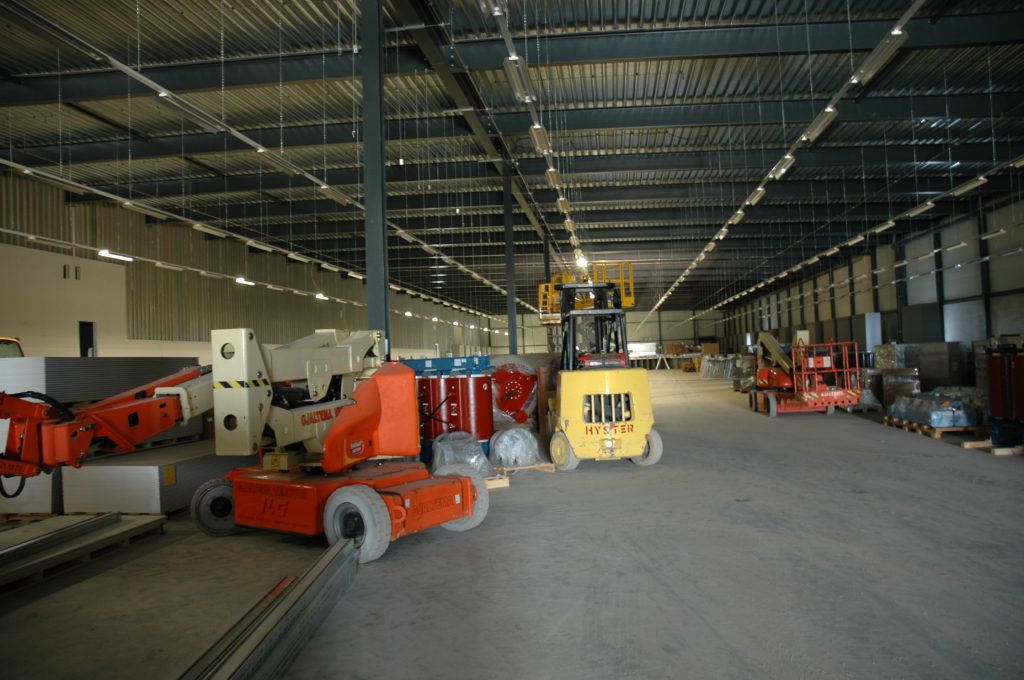
There is a particular kind of good news that arrives in a hotel lobby wearing steel-toed boots. It checks in on Sunday, pays on a per diem, and is gone before the breakfast bar opens. This fall, two of the biggest franchisors in the business put numbers on that guest, and the numbers are good enough that every owner within driving distance of a data center site has probably done the same arithmetic in their head: how much of this is mine, and for how long?
Start with what was actually said. In its Oct. 21 investor presentation, Wyndham said it has 350-plus planned data center projects in the United States, with more than 550 of its hotels within a 10-mile radius of them, and that those hotels outperformed properties outside the radius by approximately 210 basis points on a year-to-date basis (presentation text; Hotel Dive also reported the 550 figure). On that Oct. 22 call, CEO Geoff Ballotti described field crews on highway, manufacturing, grid and data center work, and said those companies operate on “strict per diems,” which is part of what anchors them to select-service brands (transcript).
Eleven days later, on its Nov. 2 call, Choice Hotels gave a second data point. CEO Dom Dragisich said: “Approximately 30% of our US hotels are located within 10 miles of a major data center, and those hotels delivered more than 400 basis points higher RevPAR growth than the rest of our system during the quarter” (transcript). A note on wording: Skift’s Daily Lodging Report, which pulled the two figures together on Monday, Nov. 23, summarized Choice’s 30% as U.S. extended-stay properties. Dragisich’s own words, and Choice’s “Capturing Infrastructure-Driven Demand” investor slide (“30% of U.S. Choice Hotels are within 10 miles of a major data center”), refer to U.S. hotels generally, so that is the wording we use here.
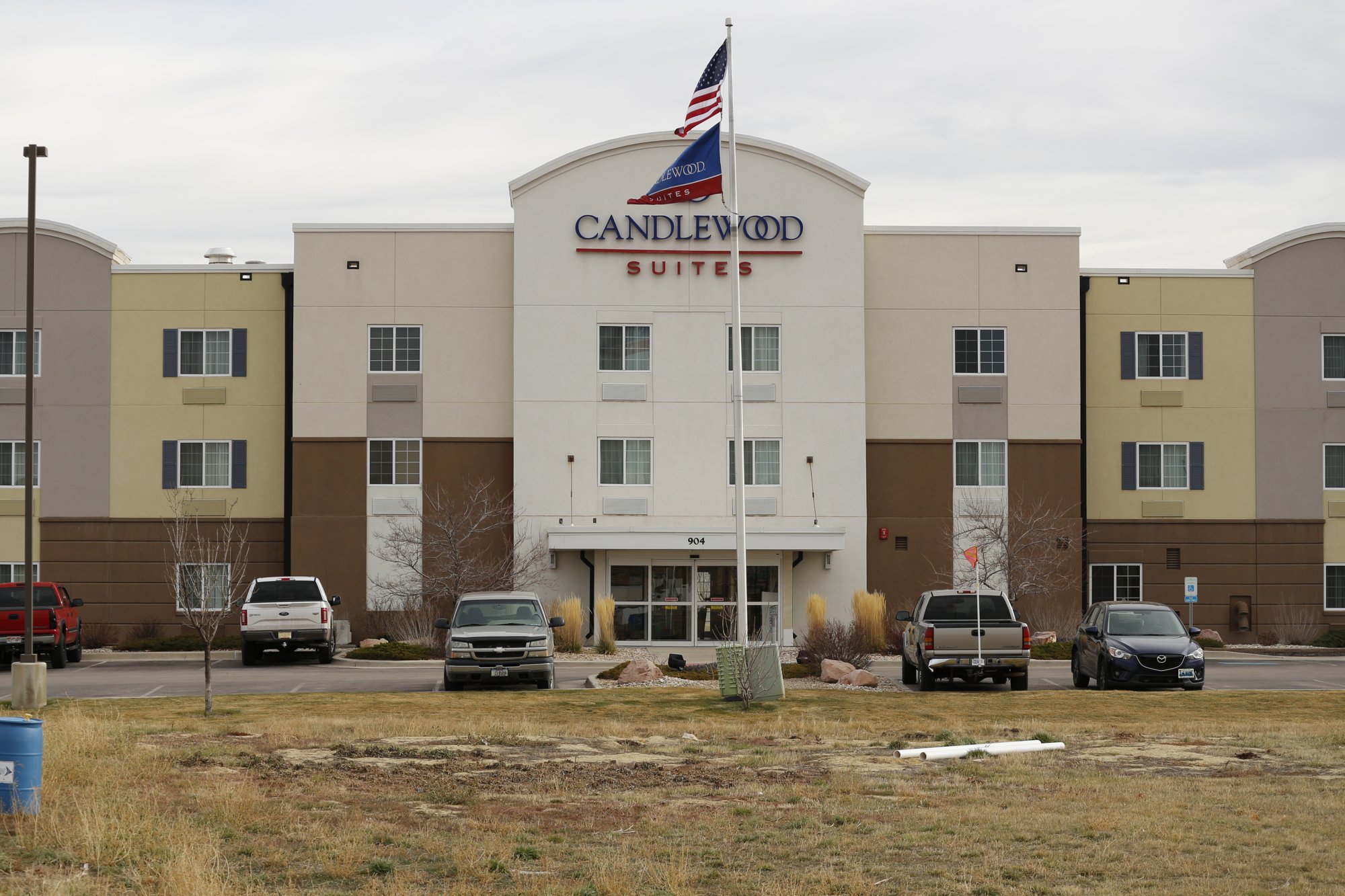
The same Skift report, by Sean O’Neill, carries the warning that matters most to anyone about to act on these numbers. The demand is construction labor, and its durability is unclear: Relae, which tracks community opposition to data centers, counts about 70 U.S. projects blocked, withdrawn or stalled since January 2024, representing about $271 billion in announced or estimated investment (Skift; Relae). Sixteen of those stops came in the third quarter of 2026 alone, up from seven in the same quarter a year earlier, and Relae says its count is a conservative lower bound.
Put those pieces side by side and notice what they are, and are not. They are two large franchisors’ views of their own systems. The 210 basis points is a gap against Wyndham’s hotels outside the 10-mile ring, measured year to date; the 400-plus is a gap in Choice’s third-quarter RevPAR growth. Different measures, different periods, so we do not add them or compare them. And neither company claims data centers alone explain the lift: Wyndham’s slide pairs data centers with infrastructure spending, and Choice’s own list of third-quarter demand drivers also includes the World Cup, which Dragisich said added about 40 basis points to RevPAR growth.
That is the gap an owner has to close for themselves. We reported in October on what the crew guest looks like. This piece asks the next question, the one a lender or a buyer will ask you: for the project down the road, will it fill rooms, for how long, and what happens when the crews leave? What follows is a field test in four parts. The tests are our framework, built from the reporting we credit along the way.
Test one: Is the project real?
Before you plan around a crew, find out whether there will be one. Relae’s analysis of 44 stopped projects found that transparency was the leading concern in 19 of them, and that arguments about undisclosed developers and nondisclosure agreements appeared in 31 of the 44. In the third quarter, local governments directly stopped 11 of the 16 projects, through seven formal denials and four zoning bans (Relae). Relae also counted 47 local ballot measures on data centers this cycle, 46 of which passed in a way that limited or banned development (ESG Dive reported the same figures).
What that means for an owner is practical, and it is our reading, not Relae’s: the signs of a project that may not survive are public. Has the developer named itself and its end user? Is the rezoning approved, or still waiting on a hearing? Has the utility committed to the power? Is there a groundbreaking date, or only a press release? County commission agendas and planning-board minutes are free and are usually where those answers appear first. A named developer with approved zoning and a utility agreement is a different bet than an unnamed one with a hearing next month.
Test two: How many rooms will the crew actually need?
This is where owners most often overestimate. Published benchmarks for how many people a data center build puts on site vary widely. A University of Southern California analysis uses about 0.7 construction workers per megawatt at peak for hyperscale campuses of 100 MW and up, 1.3 for 20-to-50 MW builds and 2.0 for 5-to-20 MW builds (USC Zage Business of Energy Initiative). Apollo Technical’s tracker of large campuses puts the median at 4.1 per megawatt for campuses under 1.5 GW (Apollo Technical). Estimates that differ by several times are a signal to ignore both and ask for the project’s own number: the general contractor’s peak headcount, and what share of those workers are traveling in from out of town.
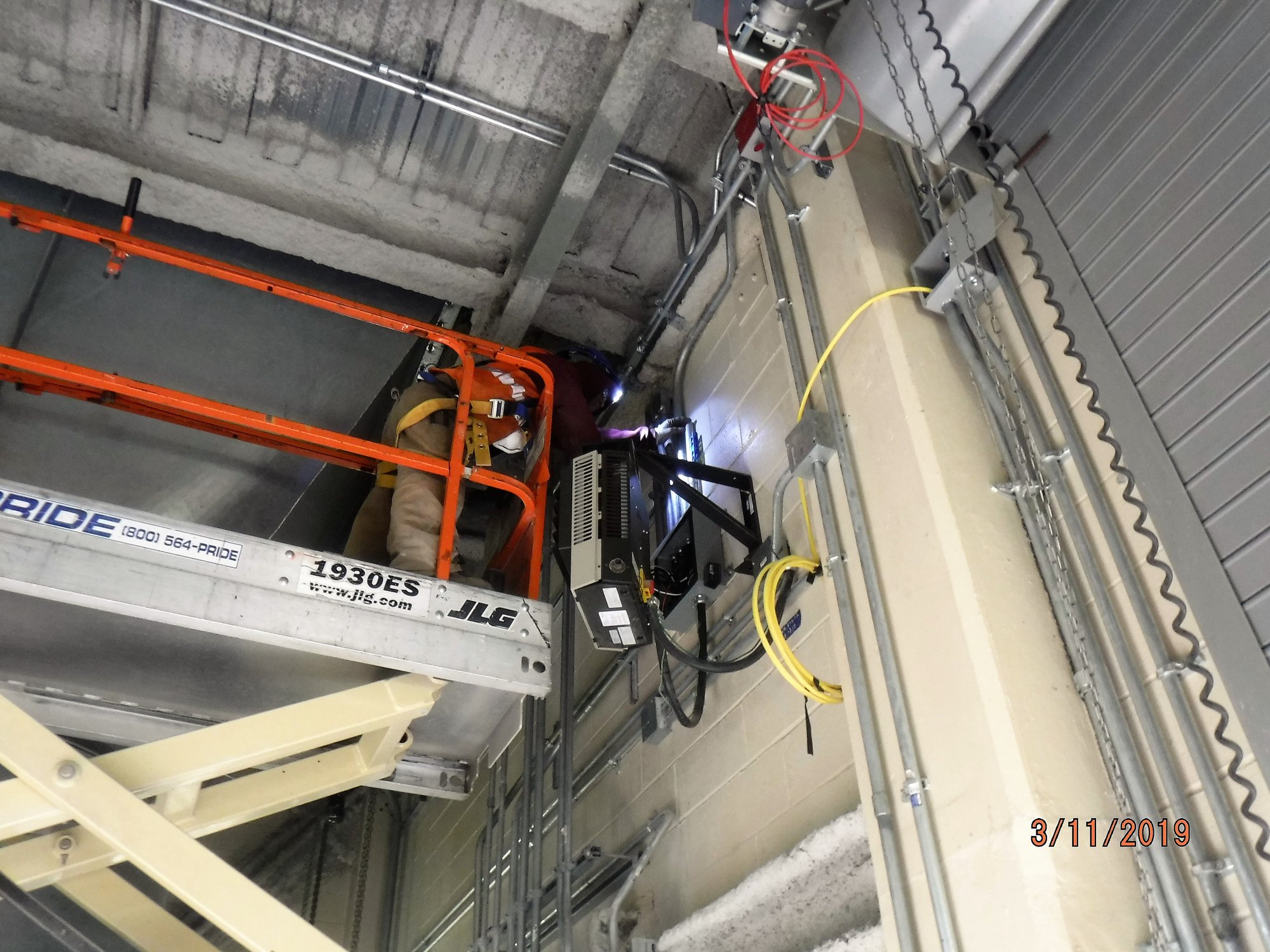
Then check how many of the workers will use hotels at all. In Hotel Dive’s July reporting, My Place Hotels CEO Ryan Rivett offered a candid caution: “true long-term stay guests related to the data centers aren’t necessarily filling up the hotels,” because many workers rent homes or apartments (Hotel Dive). The opposite signal came from Hilton CEO Christopher Nassetta on his July call, as Travel Weekly reported: “The people that do it are staying in midscale, upper-midscale hotels, and that’s what we’re seeing” (Travel Weekly). Both can be true in different markets, which is why your local numbers matter more than the national ones.
Here is a simple way to size it, with made-up numbers to show the method, not a forecast. If a project’s contractor says 400 out-of-town workers will be on site at peak and the 10-mile ring around it holds 1,200 midscale and economy rooms, the crew could take about a third of the inventory at peak if every worker has their own room. Ask how many will share. Then compare the ring’s rooms with the other projects drawing on them: a second data center, a plant, a utility line job. Your share of the pie depends on all of them.
Test three: How long will they stay?
The same USC analysis lists typical construction durations of 18 to 24 months for hyperscale campuses, 24 to 30 months for 20-to-50 MW builds and 30 to 36 months for the smallest, and its model uses a two-year average. CoStar’s Jan Freitag put the hotel side plainly in a February analysis that Travel Weekly summarized: demand near large AI construction sites was “expected to remain elevated during construction phases,” with annualized occupancy gains above 15% near Homer City, Pennsylvania, and Abilene, Texas (Travel Weekly). Note the verb. It says during construction.
There is one thing that can stretch a two-year window, and it is clustering. Choice’s Matt McElhare told Hotel Dive that a market with one data center already has the grid upgrades and the regulatory framework for the next, a “flywheel clustering effect,” and that staggered construction phases across several projects “does actually create sustainable high demand” (Hotel Dive). Choice looks for three things when it judges a market: whether the project brings utility investment, whether it spurs more data center builds, and whether other power-hungry or infrastructure businesses follow. Those are good tests for an owner too. One building is a window. A cluster is a market.
Test four: What happens when the crews leave?
Plan for the quiet. The USC benchmarks put operating staff at about 0.15 full-time employees per megawatt for hyperscale campuses and up to 0.34 for the smallest, a small fraction of the construction crew. Rivett’s phrase for the downside is the one owners remember: “Much like an oil boom and bust, the faucet just shuts off one day and the demand attributable to those projects goes away, never to return” (Hotel Dive).
There is a respectful counterargument, and it deserves its hearing. Wyndham’s Mike Mueller told Hotel Dive that the demand takes a new shape rather than vanishing: ongoing maintenance and management teams, jobs created by the energy infrastructure that powers the centers, and the residential development around them, which can in turn bring medical centers and other demand for extended-stay rooms. McElhare adds a second-order version: the cooling, HVAC, turbine and switchgear manufacturers that supply data centers may expand over the next five to 10 years, and Choice is looking at those markets too.
A boom, any old prospector could tell you, is a houseguest and not a relative. Our advice is to plan for Rivett and hope for Mueller. Build your base case so that the hotel still works if the crew business disappears in 24 months, and treat anything after that, a second phase, a supplier plant, a hospital, as upside you will recognize when it is announced.
How to capture it without betting the hotel
Sell to the buyer, not just the guest. Ballotti told analysts that Wyndham’s Global Sales Organization booked 16% more revenue in the third quarter than a year earlier, which suggests this business is being placed by contractors and crew coordinators working with sales desks. If you are branded, ask your franchisor’s sales organization how infrastructure business gets routed to your hotel. If you are independent, call the general contractor and the electrical and mechanical subcontractors on the job and ask who books the rooms.
Contract for the length of the job, not longer. Weekly or monthly rates with a notice period that matches the project phase, a deposit, and a clause that lets you adjust when a phase ends are all reasonable to ask for. Keep a cap on how many rooms any one crew can hold, so weekend and transient guests stay in your base. These are our suggestions, not a template. Have your attorney draft the actual terms.
Make the hotel easy for a crew. Truck and trailer parking, a breakfast that opens early, laundry and flexible housekeeping for long stays are mostly policy changes. They cost far less than a renovation and they are portable to whatever crew comes next.
Do not price the future off the boom. A trailing twelve months built on construction crews can flatter a refinance, a sale or a franchise renewal. If you are the seller, that helps. If you are the lender, buyer, or the owner agreeing to a ten-year renewal and a property improvement plan, ask for a second set of numbers with the crew business stripped out. For new supply, McElhare noted that in markets where long-term demand is less certain, Choice sees conversion brands, which can come online much faster than ground-up construction, as the better fit (Hotel Dive).
The Bottom Line
The data center boom is real hotel demand, and the franchisors have now put numbers on it: Wyndham’s 550-plus hotels near planned projects ran about 210 basis points ahead of its hotels outside the ring so far this year, and Choice’s hotels within 10 miles of a major data center grew third-quarter RevPAR more than 400 basis points faster. The same reporting is honest about the catch. Roughly 70 projects have been blocked, withdrawn or stalled since January 2024. The owner who does best will be the one who checks whether the project is real, sizes the crew against the rooms, prices the contract to the job, and keeps a hotel that still pays the bills after the trucks pull out.



Comments
No comments yet. Start the conversation.