+The Clock Ran Out First: 51 of 106 Hotel Loans in Special Servicing Are Already Past Maturity

A hotel loan in special servicing used to mean a hotel that ran out of cash. The newest filings say something different: for half the hotel debt now in a special servicer’s hands, the problem is a date on the calendar that has already come and gone.
The number arrived in an email, without fanfare. Hotel loans with a special servicer rose to 6.0% of balance in the October filings, up from 5.7%. That was the figure Blake Janover, who runs the CMBS data site cmbs.news, shared with The Hotelier Times last weekend. A third of a percentage point does not sound like much. It is the kind of move that is easy to read past.
So we asked him what was behind it. His answer, which he cleared for publication on Wednesday, is the most useful sentence an owner will read about hotel debt this holiday weekend.
“A lot of it is maturities,” Janover said. “Of the 106 hotel loans with a special servicer, 51 (about half the balance) are already past their maturity date, and another 15 come due within a year.”
Read that twice. Fifty-one of 106 loans. About half of the dollars. Already past the day the money was due back. Another 15 will reach that day before next Thanksgiving. Taken together, that is 66 of the 106 loans, or 62%, that are either past maturity or within a year of it. That last calculation is ours, not his.
The Default Nobody Missed a Payment On
For most of the last cycle, the story of a troubled hotel loan went like this. Revenue fell. Cash flow could no longer cover the monthly payment. The borrower missed one, then another, and the loan moved from the master servicer, who collects the checks, to a special servicer, who is paid to work out problems. That is how many hotel loans landed in special servicing in 2020.
Janover’s figures describe a different machine. A loan can be current on every payment for years and still default on a single day: the day its balance comes due and the owner cannot refinance it. Interest rates are well above where many of these loans were written, and a hotel that easily covered a 4% coupon may not cover a new loan at today’s rates. Lenders size new debt on cash flow at current rates, so a refinancing can come up short even when the hotel itself is doing fine. When the gap cannot be filled, the old loan is not repaid, and it becomes a maturity default.
We described that dynamic in October in “The Maturity Date Is the Default.” What Janover’s count adds is scale. It is no longer a forecast about where trouble might come from. It is a census of where it already is.
Where the Number Comes From
Janover’s site builds its data from the loan-level reports that commercial mortgage-backed securities trusts file with the Securities and Exchange Commission. Its homepage this week described coverage of 497 trusts and $307.1 billion of outstanding loans. The same page puts the share of all CMBS loans with a special servicer, across every property type, at 6.19%. Hotels, at 6.0% in the October filings, sit close to that line rather than far above it, a change from 2020 and 2021, when hotels led the distress charts.
The full list of hotel loans in special servicing, with each servicer’s comments, is on the site’s lodging screener. We have not named individual loans from that list here, because we have not yet verified each one against its trustee report. Owners who want to see which hotels in their market are on it can look for themselves, and they should.
The October count is also not the end of it. November is the month the maturity wall has been pointing at. In our Nov. 16 report, Trepp counted $1.16 billion of hospitality CMBS reaching hard maturity in November and found that 79.31% of it carried a debt yield below 6%, well short of what a lender typically needs to refinance at the same balance. Some of those loans will extend, some will pay off and some will join Janover’s list in the next round of filings.
What Happens After the Date Passes
A loan that is past maturity is not a foreclosure. It is a negotiation with a deadline that has already expired. The special servicer has a short list of tools: extend the loan, usually in exchange for a paydown, new reserves or a higher rate; modify it; sell the note; or take the hotel. Which tool it chooses depends on what it believes the hotel is worth today, and that belief comes from a new appraisal.
That is where a maturity default turns expensive. The new appraisal sets the stage for everything else. When the value comes in below the loan, the servicer can cut the interest it advances to the bondholders, and the owner’s equity starts to look like an option that may never be exercised.
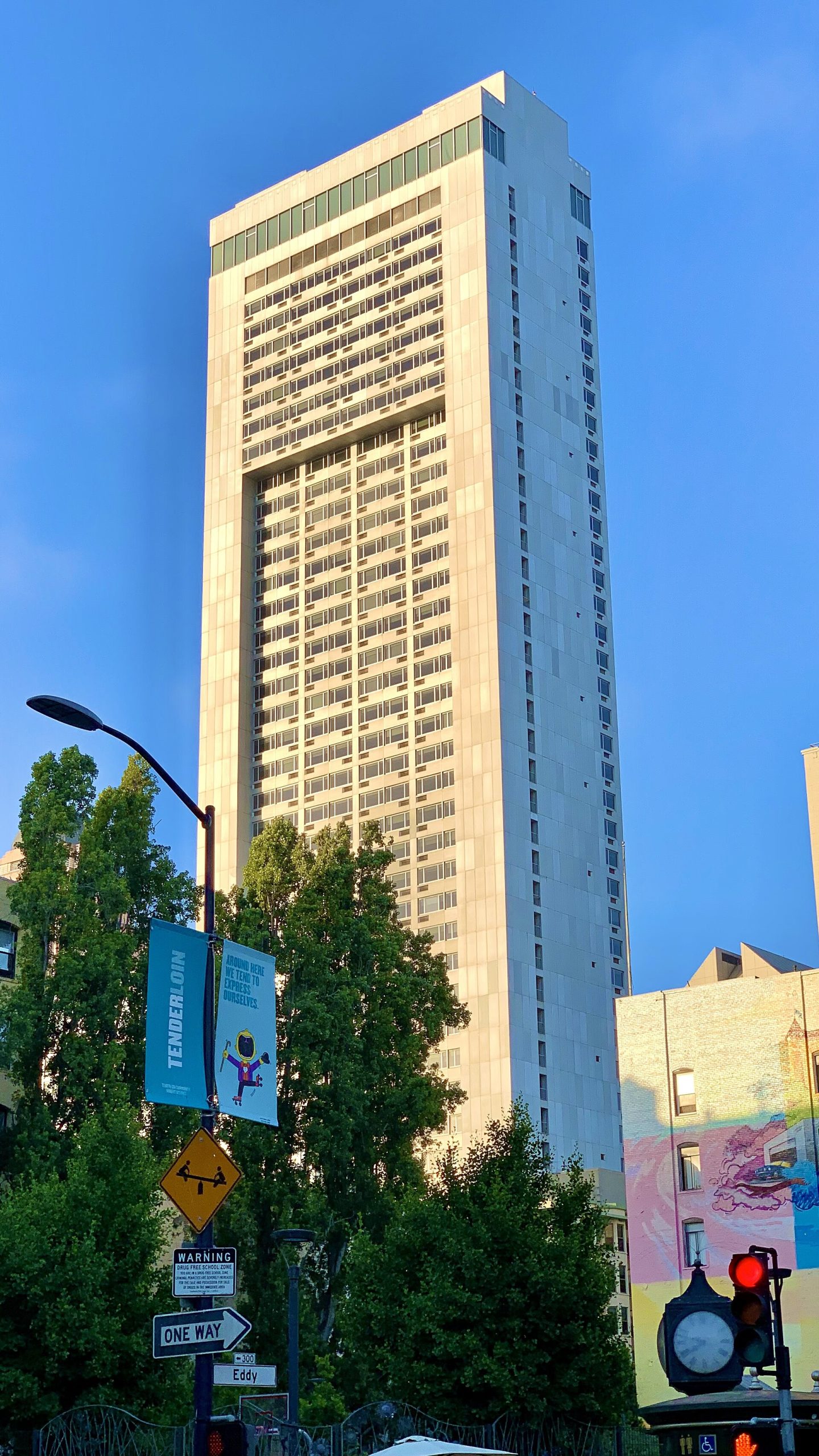
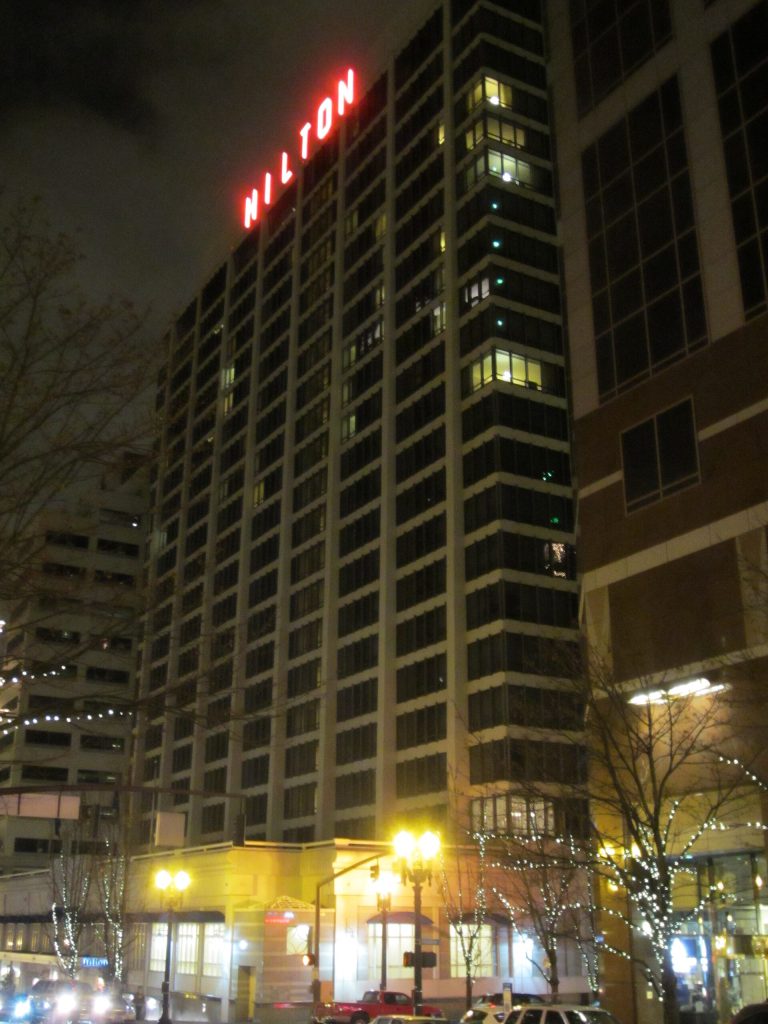
The largest hotel loans show how far that can go. In an October 30 analysis, Trepp screened single-asset, single-borrower CMBS deals with at least half their balance in special servicing and found 87 of them, 77 with unpaid interest owed to bondholders. One was the $725 million loan on the Hilton San Francisco Union Square and Parc 55, appraised at $472 million and, by Trepp’s numbers, producing negative cash flow, with the hotels now under contract for sale. Another was the $240 million loan on two Hilton-managed hotels in downtown Portland, Oregon, where the special servicer has put a sale on hold. Those are the extremes, not the average. They are a reminder of what the tools look like when none of them work.


Comments
No comments yet. Start the conversation.