+An 83% Drop Wipes Out Every Bond on Two Portland Hiltons, Even the AAA Ones
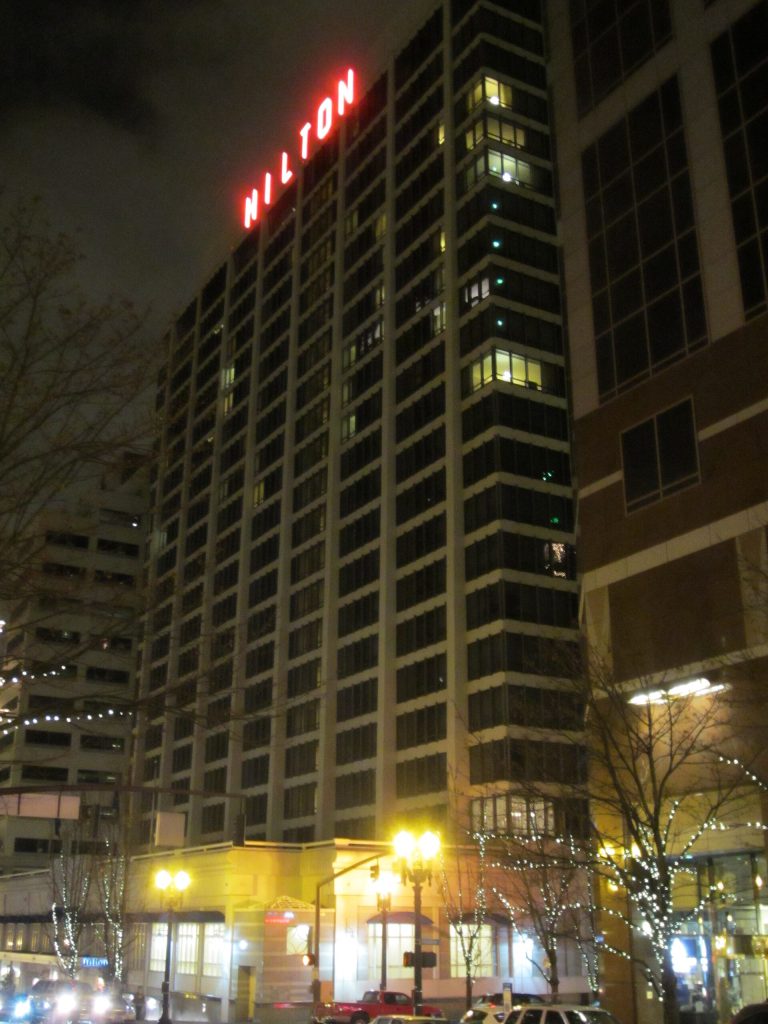
In 2019, two downtown Portland hotels were valued at $340.3 million and backed a $240 million bond deal. This year they were appraised at about $58 million. Every bond in the deal, including the ones once rated AAA, is now expected to lose everything. Here is how the arithmetic got there.
The top of a commercial mortgage bond deal is supposed to be the safest seat in the house. Investors who buy the AAA tranche accept a lower return in exchange for a promise: before they lose a dollar, every bond beneath them has to be wiped out first. For most of the last 15 years, that promise has held. In downtown Portland, Oregon, it is about to break.
As Bloomberg News reported on Nov. 24, investors in every bond backed by the Hilton Portland Downtown and The Duniway Portland are set to take a total loss after the two hotels were appraised at about $58 million combined, according to bond filings. That is down 83% from the $340.3 million they were valued at in 2019. Bloomberg’s Eliza Ronalds-Hannon called it an unprecedented wipeout, in a market that has seen only a handful of blow-ups, and none this large, since the financial crisis. Propmodo, the Portland Business Journal and Bisnow followed with their own reports.
The headline number is the 83%. The more instructive number is the one that sits underneath it.
Two Hotels, One Bond Deal
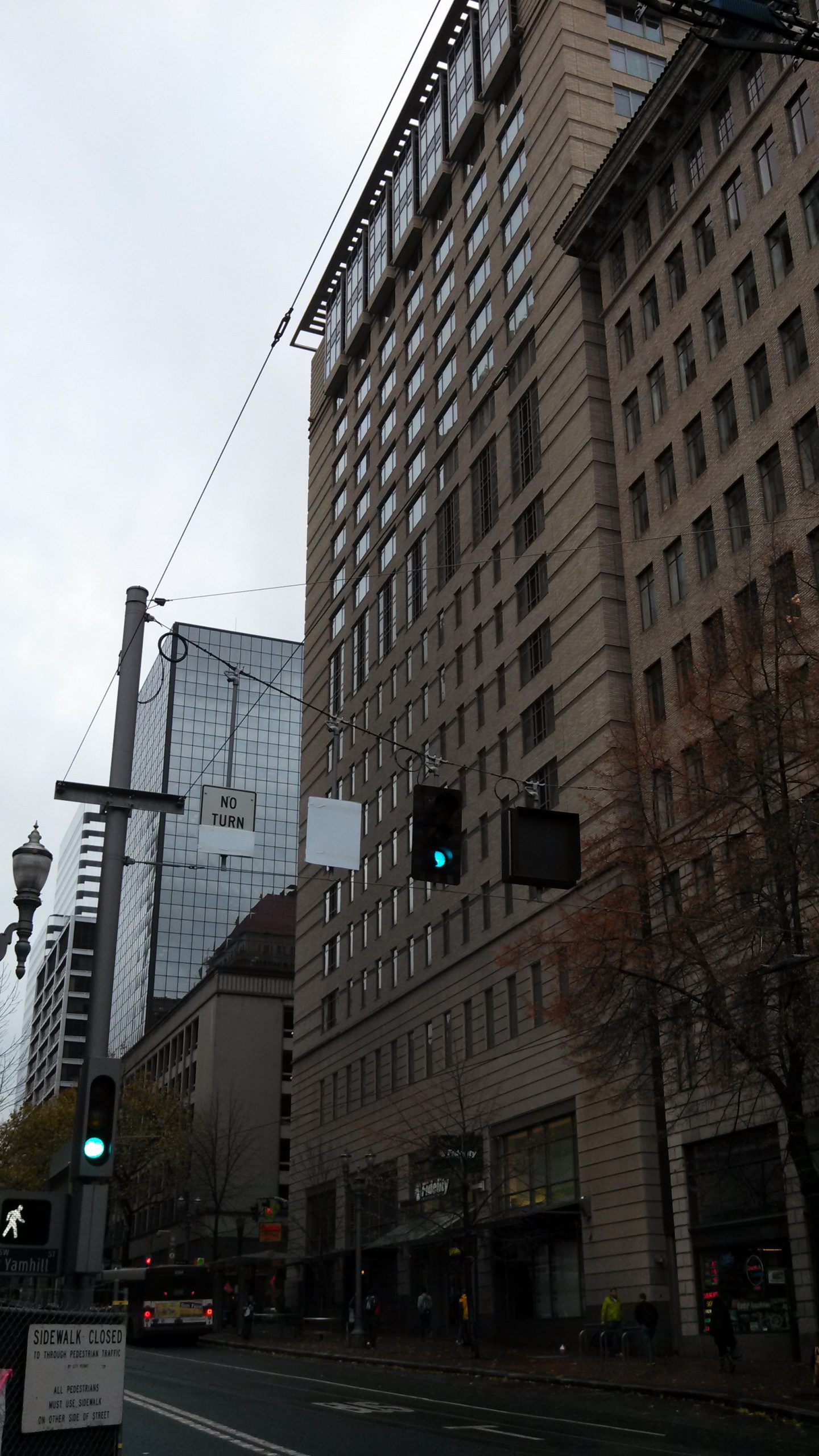
The collateral is a matched pair across the street from each other: the 455-room Hilton Portland Downtown and the 327-room Duniway, 782 rooms in all, according to the City of Portland’s hotel list. The Duniway opened in 2017 in the former Hilton Executive Tower and was named for Abigail Scott Duniway, Oregon’s pioneering advocate for women’s voting rights, The Oregonian reported at the time. Both still fly the Hilton flag, and Trepp describes them as Hilton-managed.
In 2019, affiliates of Brookfield Asset Management, which owned the hotels then, financed them with a $240 million loan packaged into a single-asset, single-borrower CMBS deal, Propmodo reported. The deal is known as MSC 2019-PLND. A single-asset deal is exactly what it sounds like: one loan, one borrower, one set of buildings. There is no pool of other properties to cushion a loss. If the buildings fail, the bonds fail with them.
The pandemic arrived months later. The loan went to special servicing in June 2020, according to Trepp. Ownership passed to the bond trust through foreclosure, and Trepp lists the hotels as real estate owned by the trust since January 2023. The special servicer is Situs AMC.
The Number Underneath the Number
A $58 million appraisal on a $240 million loan would, on its face, leave something for somebody. The senior bondholders would expect to recover part of their money from a sale. They will not, and the reason is a feature of CMBS that rarely makes headlines: servicer advances.
When a borrower stops paying, the servicer keeps paying certain costs on the property, and in many cases advances interest to bondholders, on the understanding that it will be repaid first when the loan is resolved. Those advances sit ahead of every bond, including the AAA class. On the Portland deal, they have grown nearly as large as the hotels are worth. Propmodo put the servicer advances and other costs at about $53 million. Edward Shugrue, a CMBS investor who wrote about the deal in October, counted $56 million of advances against the $58 million appraisal, plus $45 million of nonrecoverable interest. The servicer deemed its advances nonrecoverable in 2024, Trepp reported, which means it no longer expects the property to repay any more of them and stops advancing.
Put those numbers side by side and the conclusion is mechanical. Whatever a buyer pays for the hotels goes first to repay the servicer. What is left over is close to nothing. There is no tranche low enough to absorb the loss and no tranche high enough to escape it.
Trepp’s October data show what that looks like from the bondholders’ side. The deal carried a cumulative interest shortfall of $48.0 million, 20% of its balance, and the shortfall had reached Class A. Its debt service coverage was 0.15x and its loan-to-value 413%. The two hotels were producing a 1.1% debt yield against a 7.0% coupon. In Trepp’s words, a conventional payoff is not coming.
A Market Still Finding Its Floor
None of that is a verdict on the people running the hotels, which are open and serving guests every night. It is a verdict on a market. Hotel occupancy in Portland’s central business district was 62.9% in October, compared with 79.5% in October 2019, and revenue per available room was down 31% over the same span, Propmodo reported. Situs, according to the same report, plans minor property improvements and is waiting for a Portland hospitality rebound in 2027 or 2028. Trepp notes that the servicer has put a sale on hold until the market improves.



Comments
No comments yet. Start the conversation.