+Five Years, One Pink Sign: Oakland’s Former Moxy Heads to a Foreclosure Sale
A 172-room hotel that opened in the spring of 2021 has gone dark, lost its flag and its famous pink sign, and is now headed to a foreclosure sale. Here is how a five-year-old building got there, and what an owner can learn from the trip.
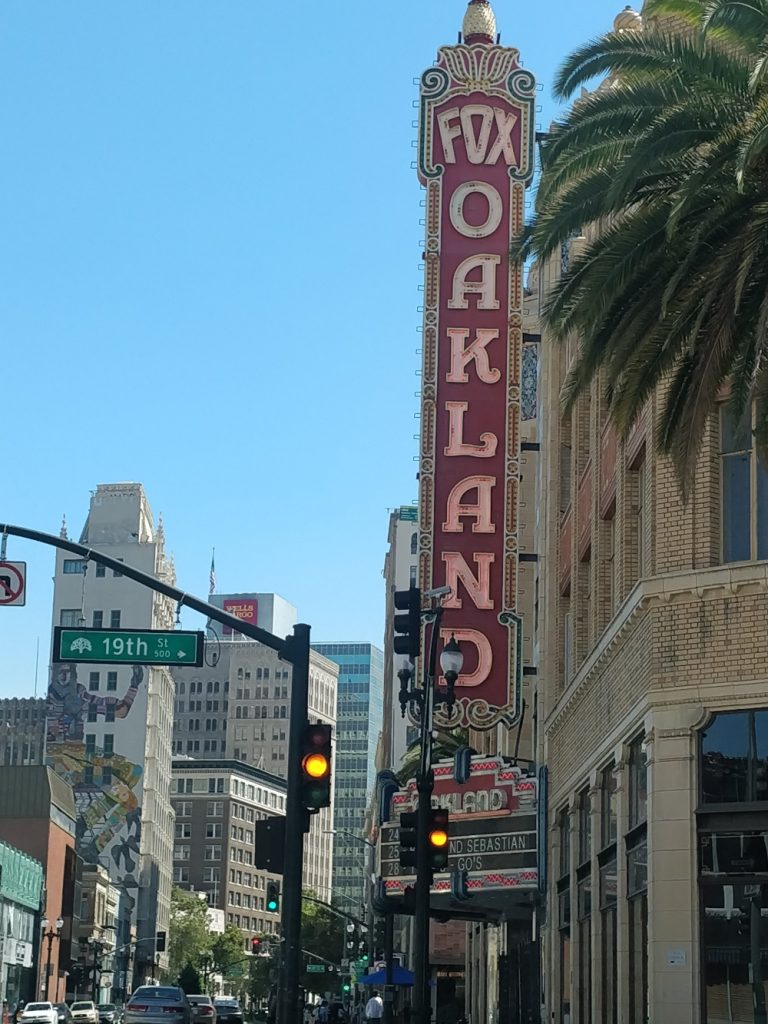
There is a particular kind of quiet that settles over a hotel after the last guest leaves. The lights can stay on. The deck chairs can stay where they were. But the building stops being a hotel and becomes a question, and on Telegraph Avenue in Uptown Oakland that question has been hanging in the air for most of this year. On Nov. 26 it got an answer of sorts. The former Moxy Uptown at 2225 Telegraph Ave., 172 rooms and about 72,000 square feet, is headed to a foreclosure sale, the San Francisco Business Times reported on Nov. 26. The Business Times also noticed a small, telling detail: the hotel’s neon pink sign has been taken down.
It is worth pausing on the sign, because the sign was the point. Moxy is Marriott’s playful, design-forward brand for younger travelers, and this one, as The San Francisco Standard described it in January, was recognizable by a stylized hot-pink sign over the avenue, a lobby with low-slung couches and games, and a free cocktail at check-in. It was built to feel like the neighborhood: the art, the music, the restaurants that had made Uptown Oakland the cooler cousin across the bay.
The building had a novelty of its own. Tidewater Capital, the San Francisco developer, says the hotel opened in March 2021 as the first Moxy in the United States built with modular construction, its rooms made off site and set in place. Tidewater and Minnesota-based Graves Hospitality began the project in 2019, the Standard reported, when cranes were going up around Uptown and a 28-story office tower was planned across the street.
How a New Hotel Gets Old Fast
Then the timing turned, as timing will. By the time the Moxy opened, the Standard reported, Kaiser had canceled the big headquarters planned a few blocks away, the office tower across the street had stalled, and the pandemic had changed the neighborhood’s prospects. “A victim of wrong place and wrong time, considering how much positive momentum Oakland had prior to the pandemic,” Louis Thibault, market intelligence manager at Avison Young, told the Standard. That is a generous and fair way to put it. Plenty of good teams built good hotels in 2019 for a world that did not show up.
The financial record, pieced together from several outlets, runs like this. The owner, 2225 Telegraph Property LLC, refinanced in 2022 with a $35 million loan from ACORE Capital, according to the Standard and The Real Deal. Marketing materials for the loan, posted by Alchemy Real Estate Advisors in September, say the loan was originated in May 2022, matured in May 2025 without being repaid, and went into non-judicial foreclosure with a notice of default recorded in August 2025. In September 2025 a court appointed a receiver, Michelle Russo, CEO of the asset management firm HotelAVE, to manage the property. In November 2025 the county tax collector issued a lien for nearly $102,000 in unpaid property taxes, the Standard reported, and by January the hotel had stopped taking guests and closed its bar.
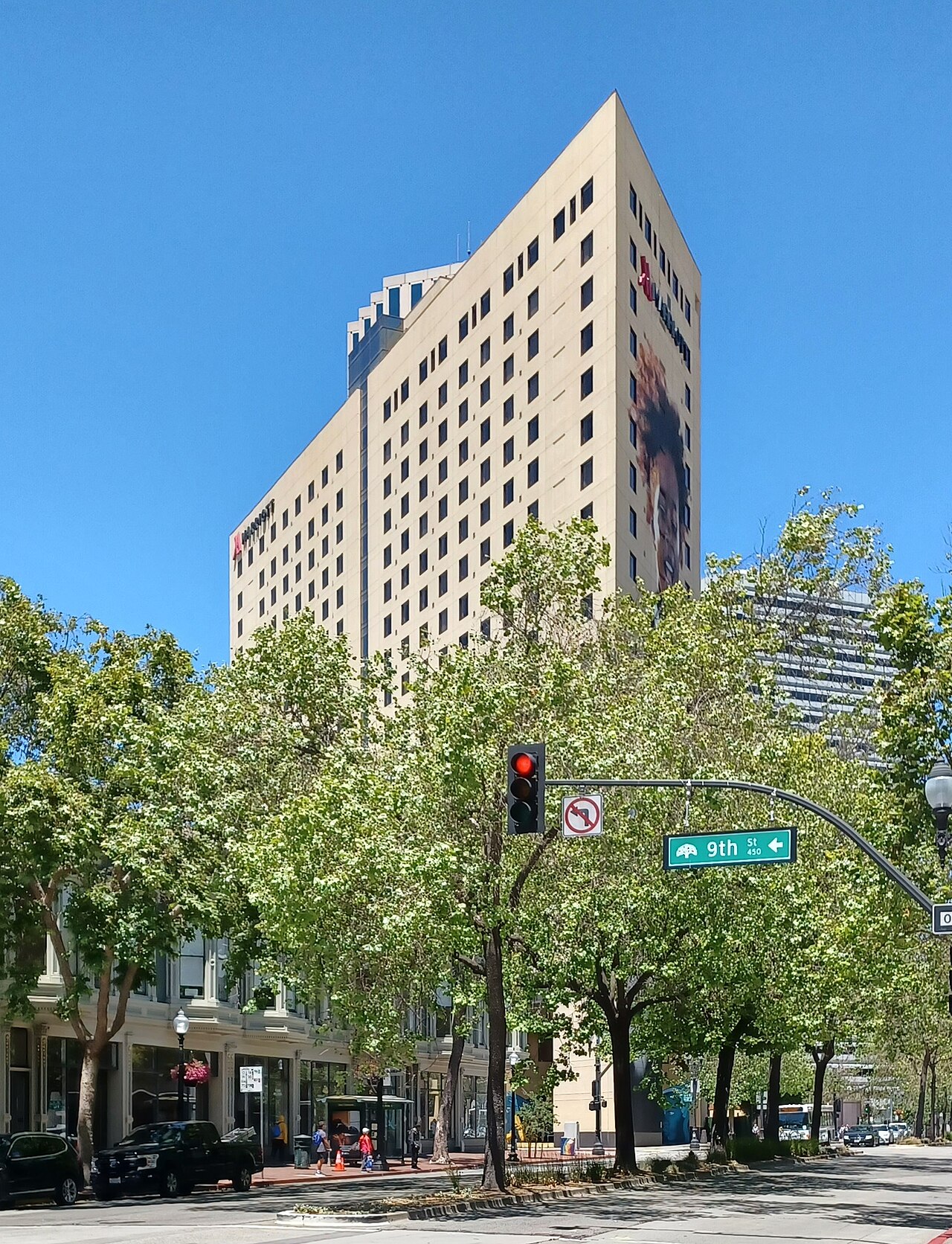
Russo is a good person to have in that chair. A receiver’s job is unglamorous: keep the building safe, keep it insured and maintained, and get it ready for whoever comes next. She did the same work at Parc 55 and the Hilton Union Square in San Francisco, which were sold last year, The Real Deal reported. A hotel in receivership is not a hotel in ruins. It is a hotel waiting for a new owner with a new plan.
In May 2026, Marriott’s franchise ended. The Registry reported in October that the hotel had “sat dark since Marriott pulled its flag in May,” and that ACORE was marketing the defaulted loan, with a balance of $34.3 million, to investors. By our math, that is about $199,400 of debt for each of the 172 rooms. A loan sale is not a hotel sale; it is a way for a lender to hand its place in line to someone else. The Business Times report on Nov. 26 says the hotel itself is now headed to a foreclosure sale.
The Neighborhood Around It
The Moxy is not the only Oakland hotel with a story like this, and it would be unkind to tell it as if it were. In early 2025 the Waterfront Hotel in Jack London Square closed suddenly. In April 2025 a lender took back the dual-branded Residence Inn and AC Hotel downtown, and a few months later the Oakland Marriott City Center, the city’s largest hotel, sold at foreclosure, according to The Real Deal. Those three downtown hotels stayed open. That difference matters. An open hotel keeps its staff, its flag and its booking history. A closed one has to earn all three back.
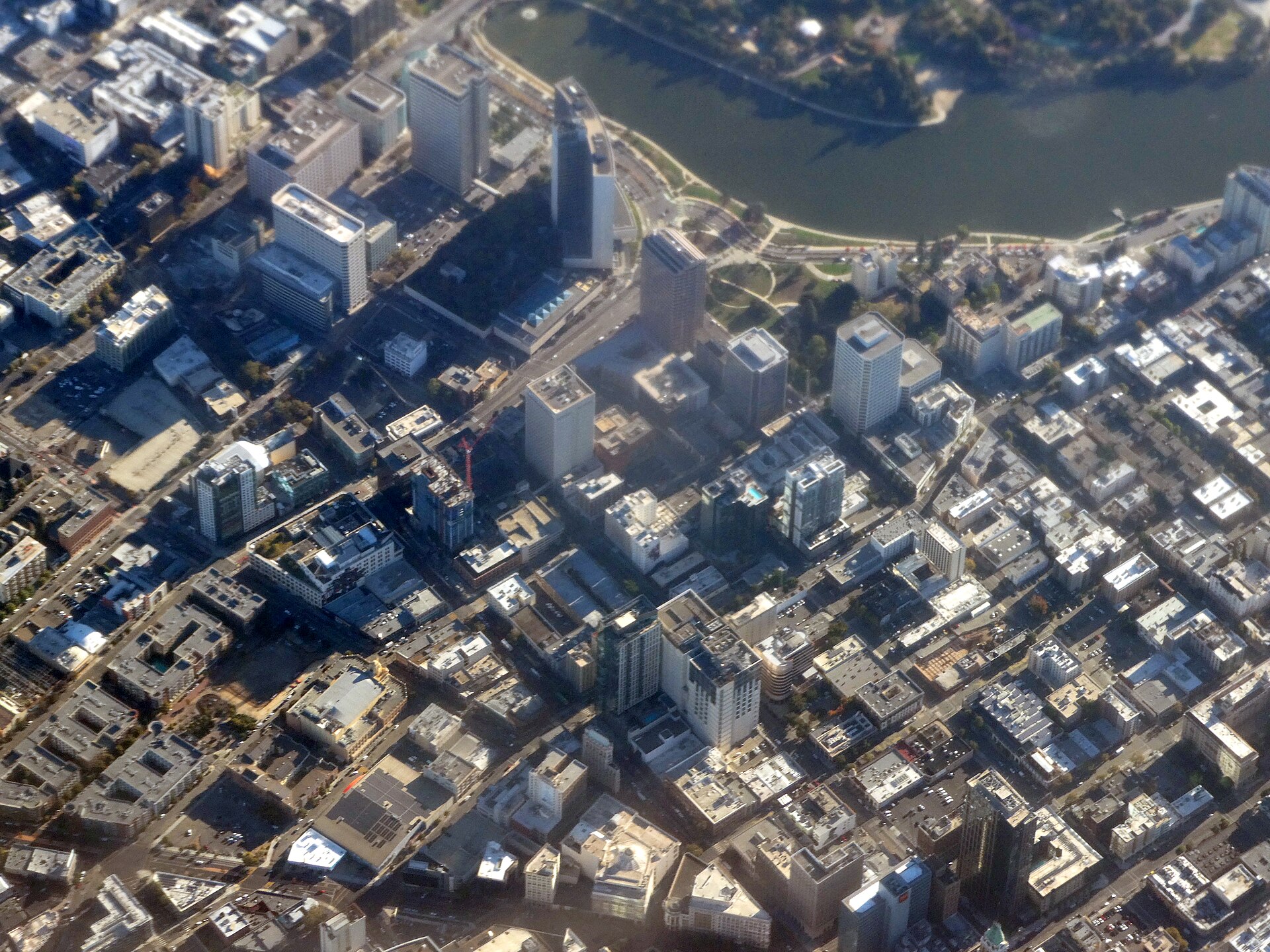
The building itself is young, and that may turn out to be the most hopeful fact in the file. It was finished in 2021, built to a current brand standard, and is in an arts and entertainment district that has not gone anywhere. The loan materials describe the collateral as the borrower’s leasehold interest in the property plus the hotel improvements and furniture, fixtures and equipment, which means the next owner will be dealing with a ground lease as well as a building. Whoever buys it will get to decide what it becomes: a new flag, an independent hotel, or something else. We wrote last week about a Moxy in Singapore that traded at about a million dollars a key. The same brand, on a different street in a different market, can be worth very different things.
What This Means For Your Hotel
Watch the maturity date, not just the payment. According to the loan materials, this loan was a maturity default: it came due in May 2025 and was not repaid. Owners who are current on their payments can still fail at the finish line if the refinancing market will not cover the balance. Start the refinance conversation at least a year early.
Comments
No comments yet. Start the conversation.