Dozens of Lawsuits in East Texas: What Motel 6’s Trafficking Cases Mean for Franchisees
By Nathan Snyder, Editor
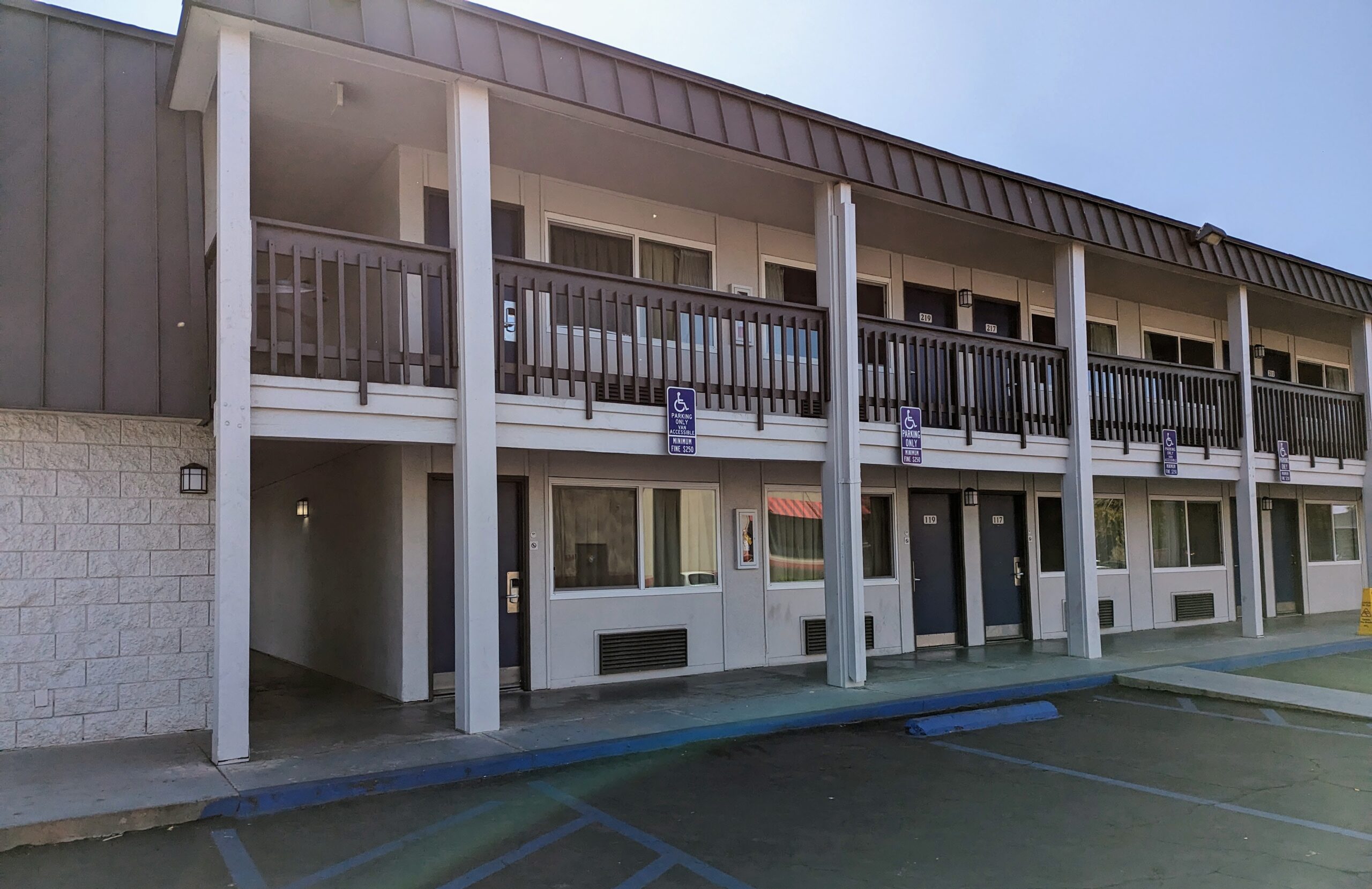
Public dockets in the U.S. District Court for the Eastern District of Texas show dozens of sex-trafficking lawsuits filed against Motel 6’s operator and franchisees in the second half of October 2026. Law.com (Texas Lawyer) reporter Laura Lorek wrote on Oct. 28 that two law firms filed 50 such suits the prior week, and that the wave pushed personal-injury filings in an East Texas federal court to more than five times its usual weekly volume — figures we attribute to that report and have not independently audited case-by-case. The suits allege civil beneficiary liability under the Trafficking Victims Protection Reauthorization Act. These are allegations. No court has found the company or any franchisee liable in these new cases.
If you own or franchise a limited-service hotel — Motel 6 or any other flag — this wave is about more than one brand. Justia’s Eastern District of Texas dockets show a dense cluster of federal-question / personal-injury complaints captioned against G6 Hospitality, LLC, G6 Hospitality Franchising, LLC, G6 Hospitality Property LLC, and franchisee LLCs doing business as Motel 6, filed roughly Oct. 19–29, 2026. Most of those captions sit in the Lufkin Division before District Judge Jeremy D. Kernodle; additional filings appear in the Sherman and Beaumont divisions. Attorney Jason Byrd of The Byrd Law Firm is the main filer on the Lufkin cluster reviewed for this piece. Oravel Stays (OYO) completed its acquisition of G6 from Blackstone in December 2024; OYO is not a named party on the October captions reviewed.
What the Suits Allege
According to Law.com, the suits allege that the company that operates Motel 6 and franchise owners profited from sex trafficking at properties in several states. Sample public complaint text tied to this wave frames the claims as civil liability under the TVPRA, 18 U.S.C. § 1595 — a beneficiary theory that a defendant knowingly benefited from participation in a venture that it knew or should have known engaged in a trafficking violation. The suits allege that theory against franchisor entities and against local franchisee operators. Nature-of-suit entries on Justia list personal injury / other with a federal-question cause under 28 U.S.C. § 1331; plaintiffs demand jury trials. These are civil pleadings, not criminal charges, and not findings of fact.
Venue in East Texas is not an accident of geography. The suits allege jurisdiction and venue based on G6’s Texas principal place of business and franchise-system contacts, even where the alleged trafficking is pleaded at out-of-state Motel 6 properties. That franchisor-home-court pattern matters if you fly a brand headquartered in Texas. Whether personal jurisdiction over every out-of-state franchisee holds is for the courts — not a prediction from this desk.
TVPRA Beneficiary Exposure — What Sources Support
Section 1595, as the suits allege it, provides a civil remedy against a person who knowingly benefits, financially or by receiving anything of value, from participation in a venture that the person knew or should have known engaged in a trafficking violation. For you as a franchisee, the practical point in the pleadings is two-track naming: the G6 brand entities and the local LLC that holds the flag. Franchise agreements, brand standards, reservation systems, and required reporting are the contacts the suits allege when they argue a “venture.” That does not mean every franchisee is liable. It does mean your operating entity can be named in the franchisor’s home district under the theories these complaints advance.
Appellate framing often cited in hotel TVPRA briefing — including the Eleventh Circuit’s 2021 decision in Red Roof Inns, 21 F.4th 714 — has drawn a sharper line for remote franchisors than for on-property operators in some pleadings. A concurrence in that case noted that similar claims against those who own, operate, or manage hotels would typically survive early dismissal. Outcomes remain fact- and circuit-specific. Do not read a filing date, or another circuit’s motion ruling, as a verdict in East Texas.
Company Response
A company response to this October wave was not available in the coverage we could verify as of Oct. 30, 2026. Law.com’s full article is paywalled from this desk, and no public G6, Motel 6, PRISM, or OYO statement addressing these East Texas filings was located in open sources for this draft.
What This Means For Your Hotel…
Full Access Pass
Continue reading
Get the rest of this article for 99¢ with a 24-hour Day Pass, or get the Full Access Pass for $1.99/month for every article.




Comments
No comments yet. Start the conversation.