The Festival of Lights and the Front Desk: Diwali 2026 and the Families Who Built American Hospitality
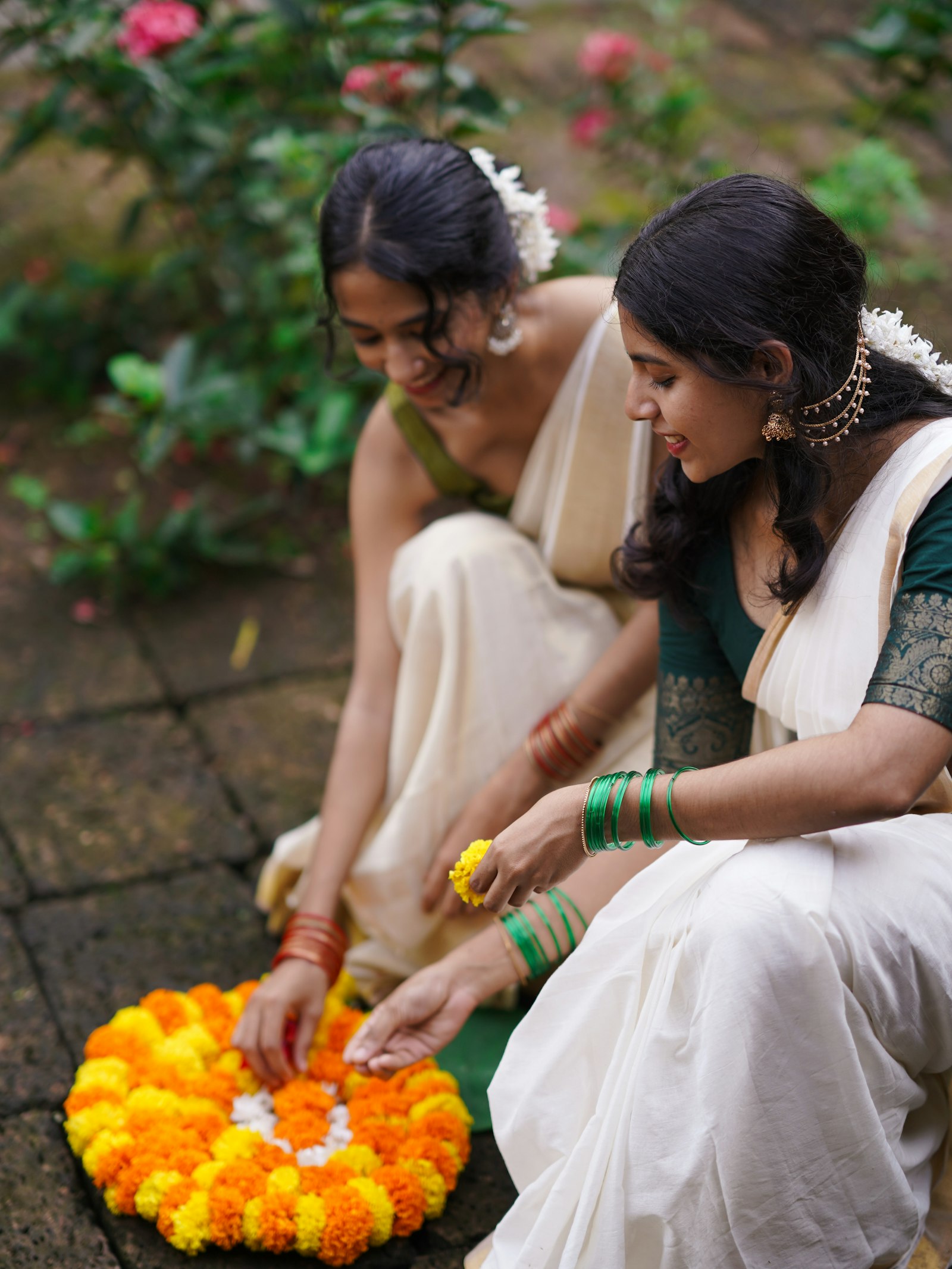
Diwali 2026 falls on Sunday, Nov. 8. For the Indian American families who own most of the country’s hotels, it is the biggest night of the year. For every hotelier, it is a growing reason to light up the lobby.
Sometime after sunset on Sunday, in motel offices along Interstate 10, in ballrooms in Edison and Sugar Land, and in family homes behind the front desk, someone will strike a match and light a small clay lamp.
That lamp is a diya. Lighting rows of them is the oldest gesture of Diwali, the Festival of Lights, observed by more than a billion Hindus, Sikhs, Jains and Buddhists worldwide. It marks light over darkness, good over evil and knowledge over ignorance.
It also marks something closer to home for this industry. Members of the Asian American Hotel Owners Association (AAHOA) own about 60 percent of U.S. hotels, and a striking share of those owners share one surname: Patel. For them, Diwali is not a marketing date. It is New Year’s Eve, Thanksgiving and the close of the fiscal year rolled into one week.
This is the story of where Diwali came from, how a handful of Gujarati immigrants turned a 32-room Sacramento hotel into an industry, how hotels learned to celebrate the festival, and what it means for your property in 2026.
Where Diwali comes from: one festival, many stories
Diwali is a centuries-old harvest-season festival whose name comes from the Sanskrit Deepavali, “a row of lamps.” It falls on the new-moon night of the Hindu month of Kartik, the darkest night of the lunar month, which is why light is the whole point.
Different communities tell different origin stories:
- The return of Rama (northern India). In the epic Ramayana, Prince Rama returns to Ayodhya after 14 years of exile and his victory over the demon king Ravana. The city lights rows of lamps to guide him home. This is the story most Americans hear first.
- Lakshmi, goddess of prosperity. The main night is Lakshmi Puja. Families clean their homes, open doors and windows, and light lamps so the goddess of wealth will visit. For business families, this is the night the year’s fortunes are blessed.
- Krishna and Narakasura (southern India). Krishna defeats the demon Narakasura, freeing thousands of captives. Many South Indian families celebrate before dawn with oil baths and fireworks.
- Kali Puja (Bengal). In Kolkata and eastern India, the same new-moon night honors the goddess Kali.
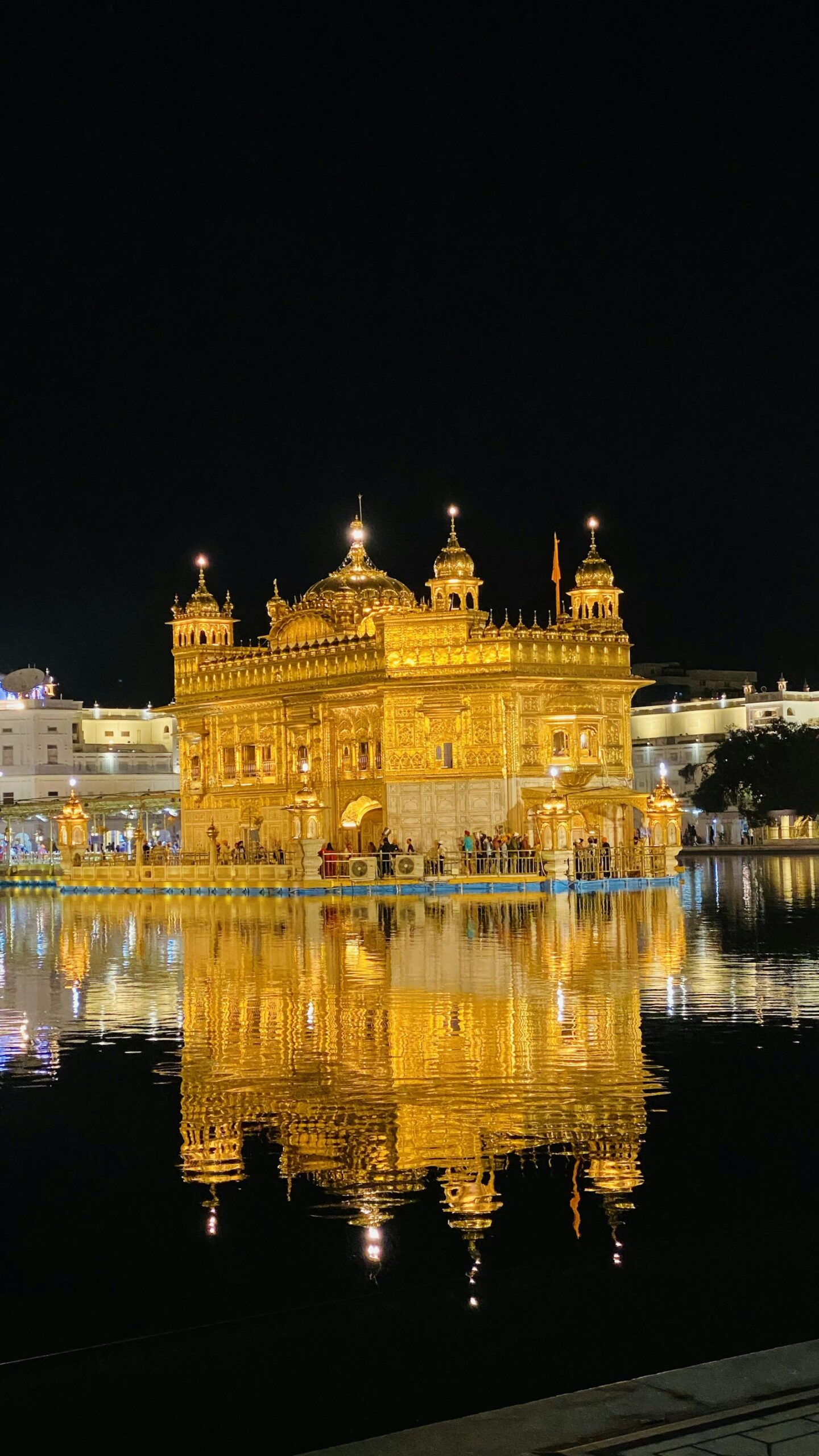
- Bandi Chhor Divas (Sikhs). Sikhs mark the 1619 release of Guru Hargobind from Mughal imprisonment along with 52 princes. When he reached Amritsar, the Golden Temple was lit up, and it still is every Diwali.
- Mahavira’s nirvana (Jains). Jains mark the night their last tirthankara, Mahavira, attained liberation.
- Tihar (Nepal). Nepal’s five-day version honors crows, dogs, cows and siblings alongside Lakshmi.
The accountant’s New Year
One tradition matters especially to hoteliers. For Gujarati merchant families, Diwali closes the financial year. On Lakshmi Puja many still perform Chopda Pujan, blessing fresh account ledgers before the first entry of the new year. The next day is the Gujarati New Year, greeted with “Saal Mubarak.”
In other words, for the families who own most of America’s hotels, Diwali is the moment the books close and the new year’s business is blessed.
How Diwali reached the American mainstream
| Year | Milestone |
|---|---|
| 2003 | The White House holds its first official Diwali observance |
| 2009 | Barack Obama becomes the first president to personally light the White House diya |
| 2013 | First Diwali at Times Square; Congress holds its first Diwali celebration |
| 2023 | New York State law adds Diwali to New York City’s public school calendar |
| 2024 | Pennsylvania becomes the first state to make Diwali an official holiday |
| 2025 | Connecticut follows; California’s AB 268 makes it the third state |
| 2026 | California’s Diwali holiday takes effect Jan. 1 |
The five days of Diwali 2026
Diwali is a five-day festival. In the U.S. this year it runs Friday, Nov. 6 through Tuesday, Nov. 10, with the main night on Sunday, Nov. 8.
| Date (2026) | Day | What families do |
|---|---|---|
| Fri, Nov. 6 | Dhanteras | Buy gold, silver or new utensils for luck; clean the home |
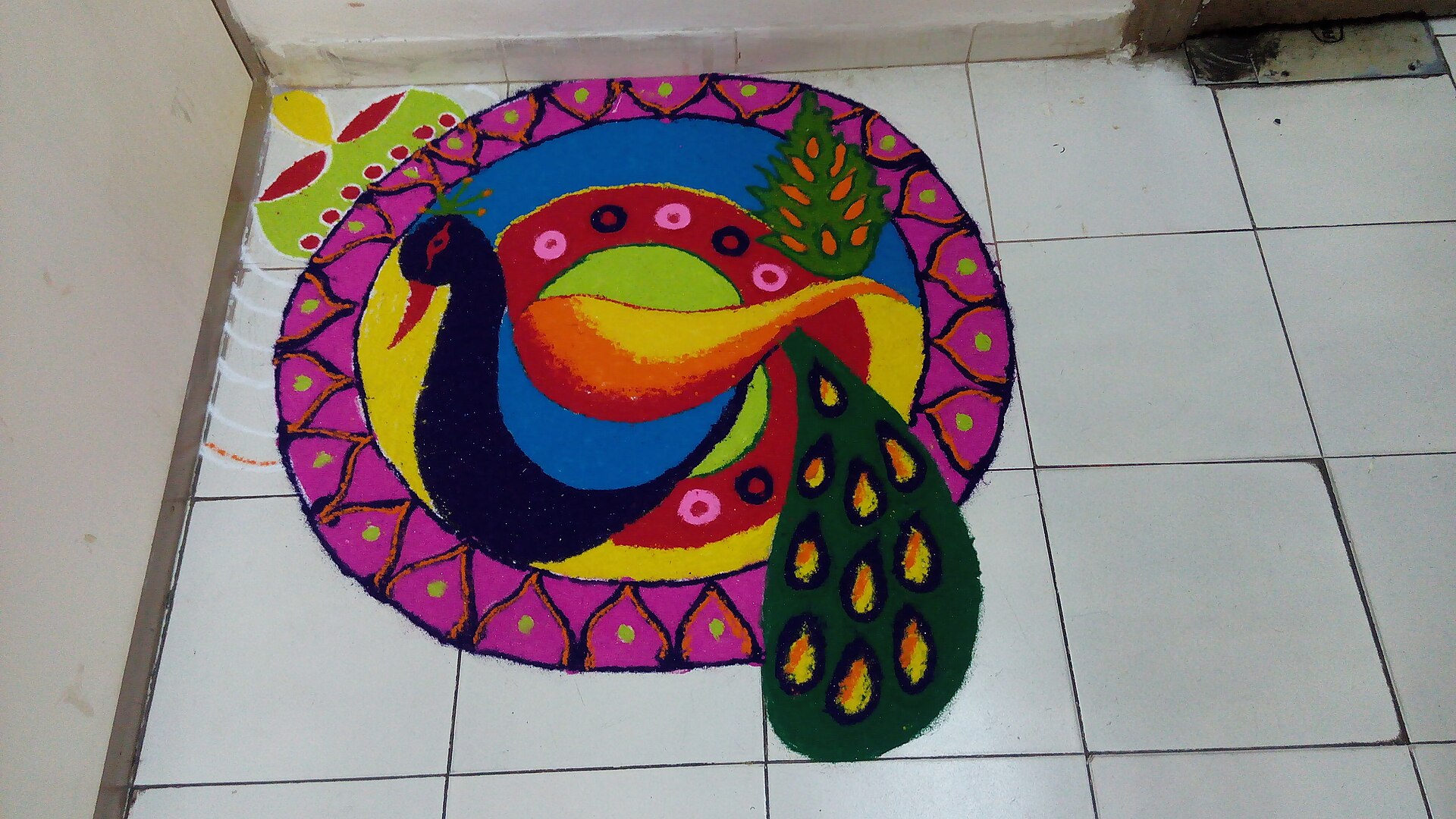
| Sat, Nov. 7 | Choti Diwali | First lamps lit; rangoli drawn at the door |
| Sun, Nov. 8 | Diwali (Lakshmi Puja) | Evening prayer, rows of diyas, sweets, fireworks, family dinner; Chopda Pujan for business families |
| Mon, Nov. 9 | Govardhan Puja / Annakut; Gujarati New Year | Temples offer mountains of food; Gujarati families greet each other with “Saal Mubarak” |
| Tue, Nov. 10 | Bhai Dooj | Sisters and brothers honor each other |
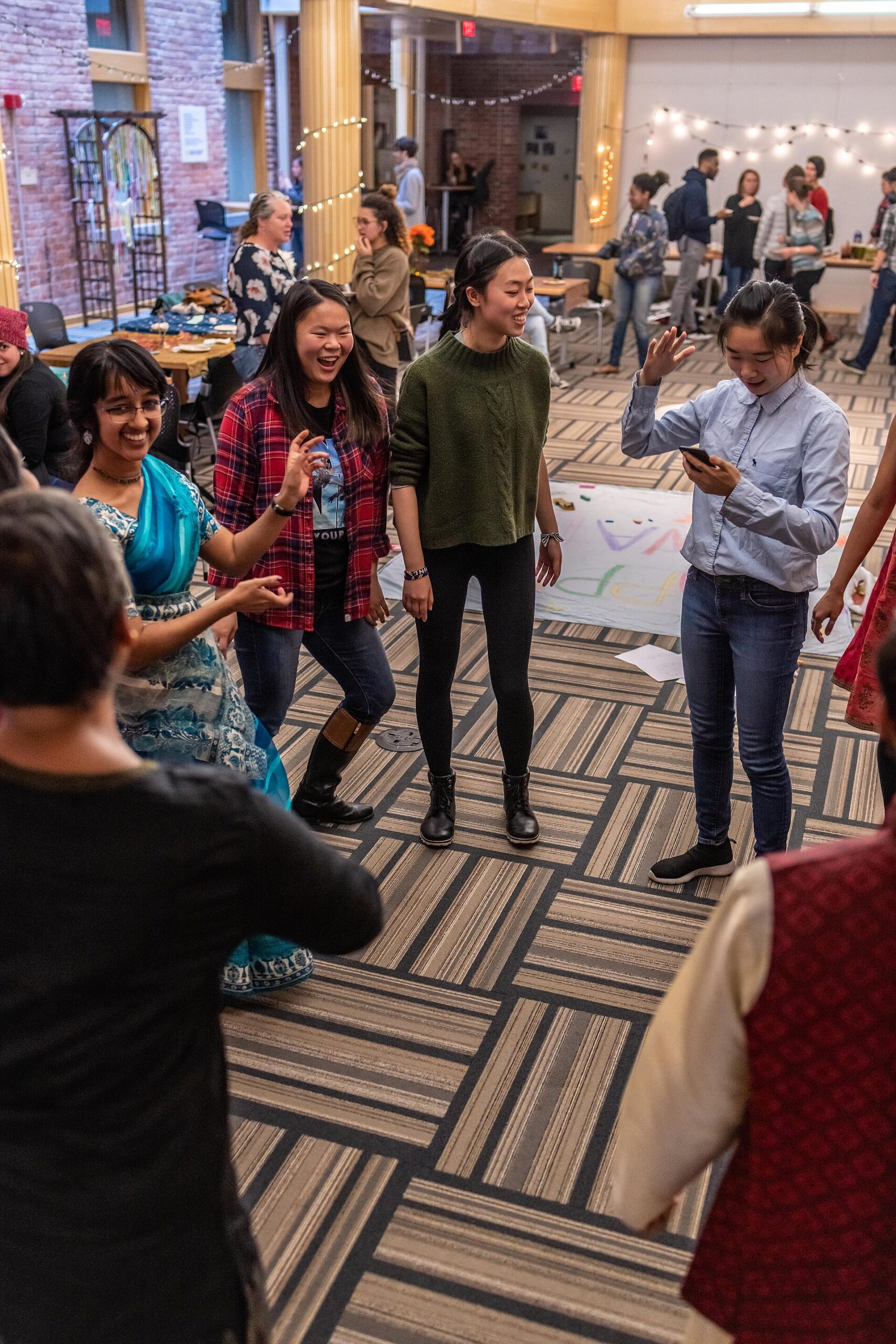
Most American community celebrations happen on the weekends before the day itself, which is why hotel ballrooms fill from mid-October on.
The traditions, in brief
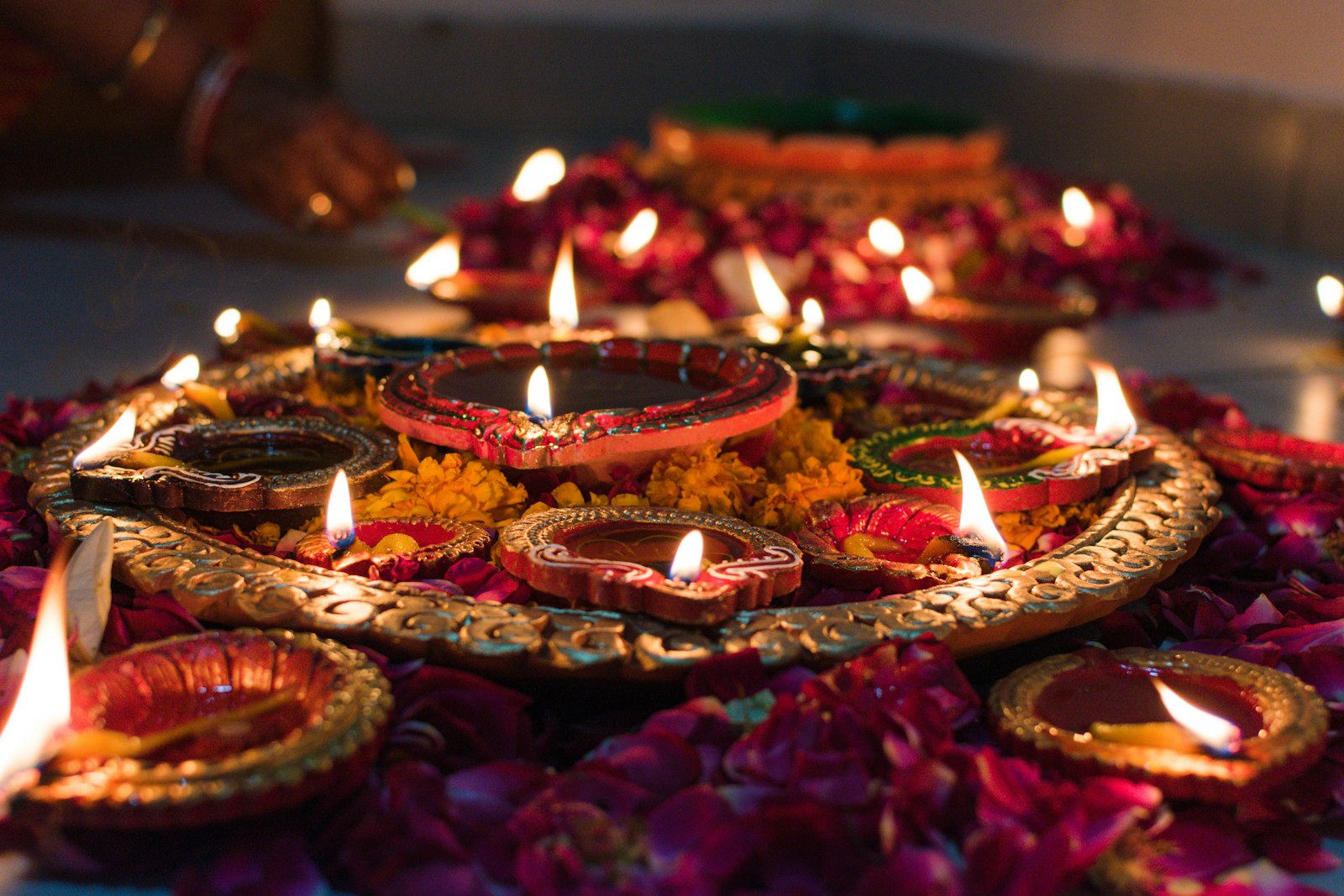
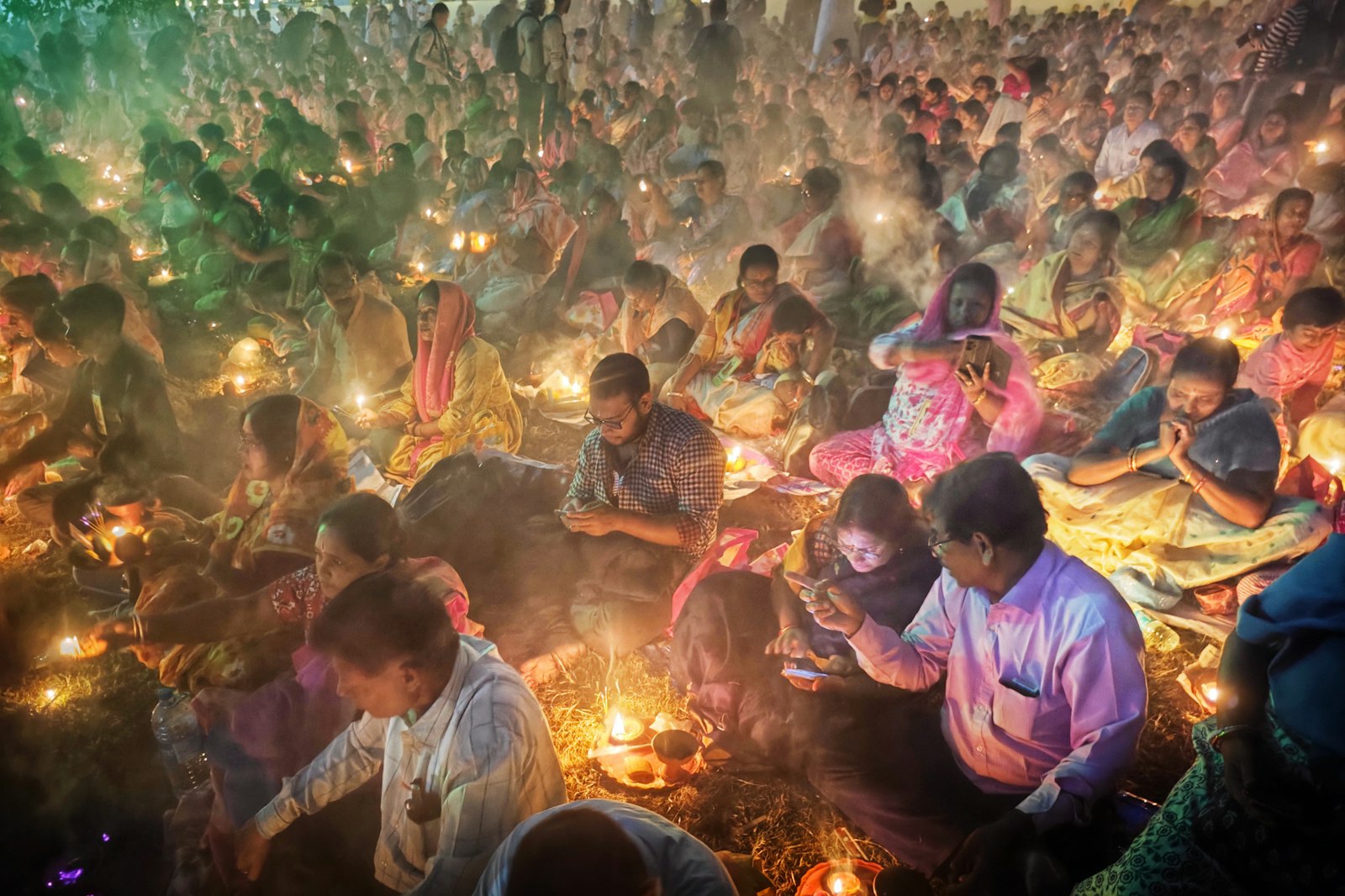
- Diyas: small clay lamps filled with oil or ghee and a cotton wick, lined along doorways, windows and rooftops.
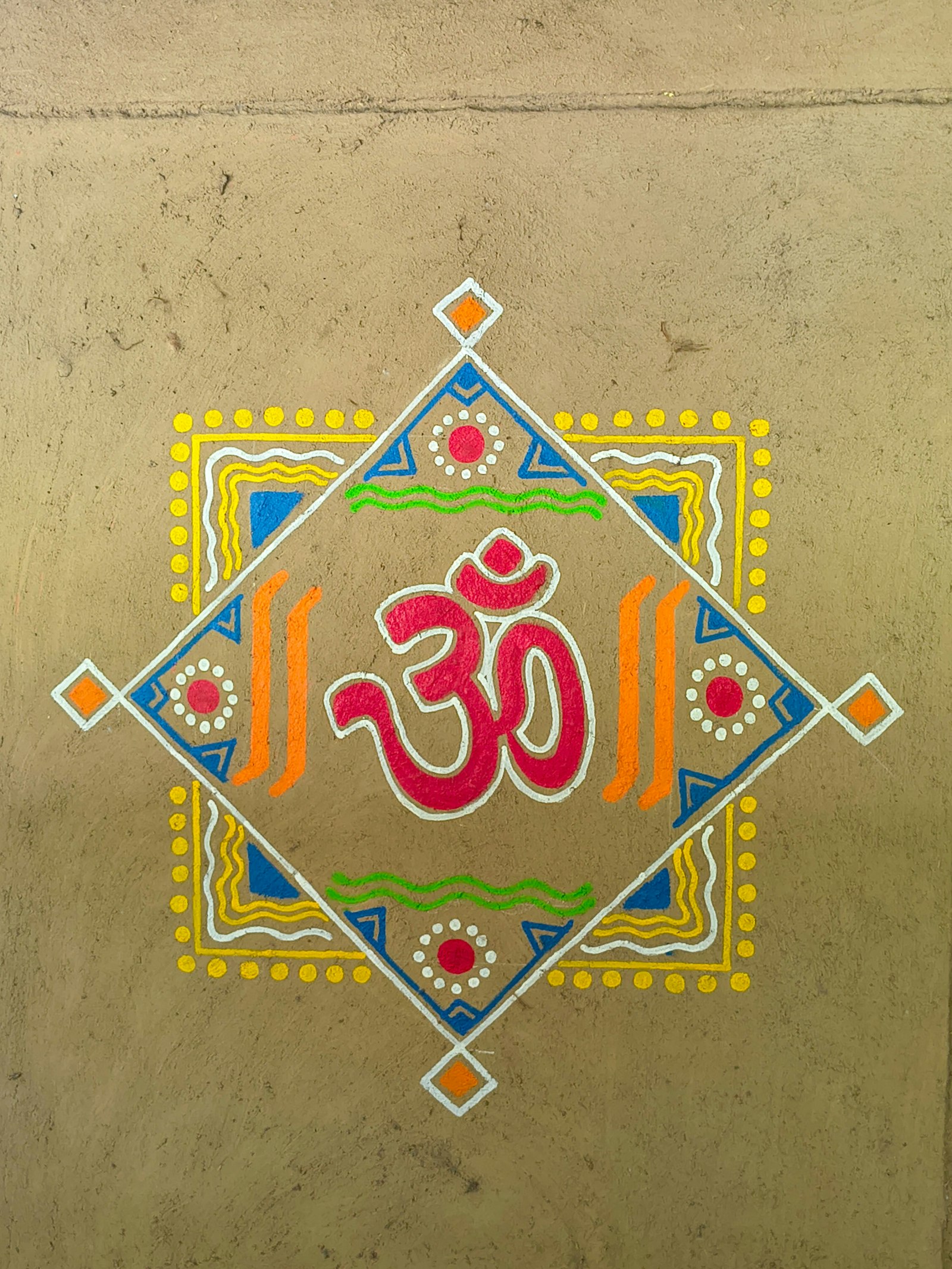
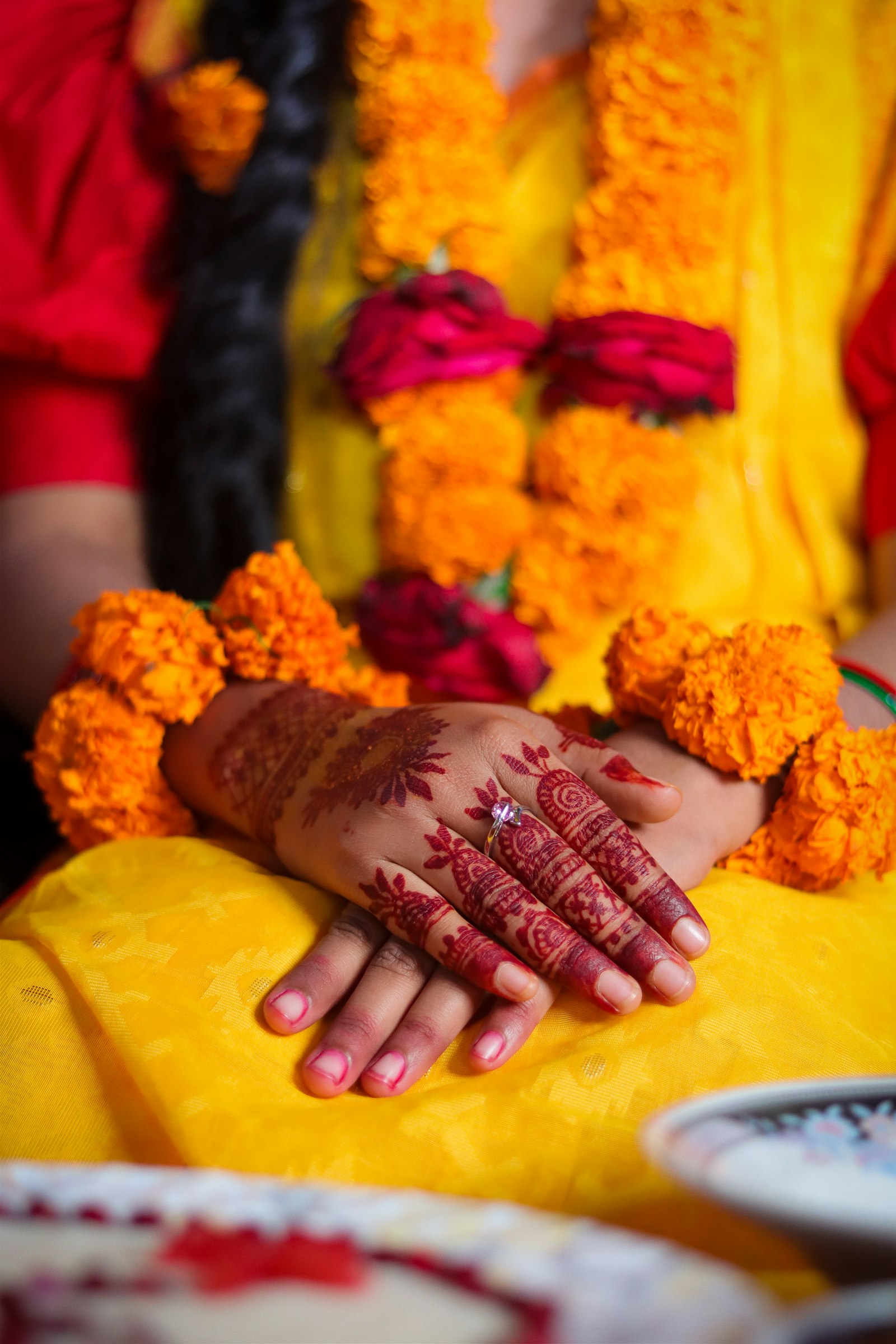
- Rangoli: patterns of colored powder, rice or flower petals drawn at the entrance to welcome guests and good fortune. It is, in effect, a welcome mat, which makes it a natural fit for a hotel lobby.
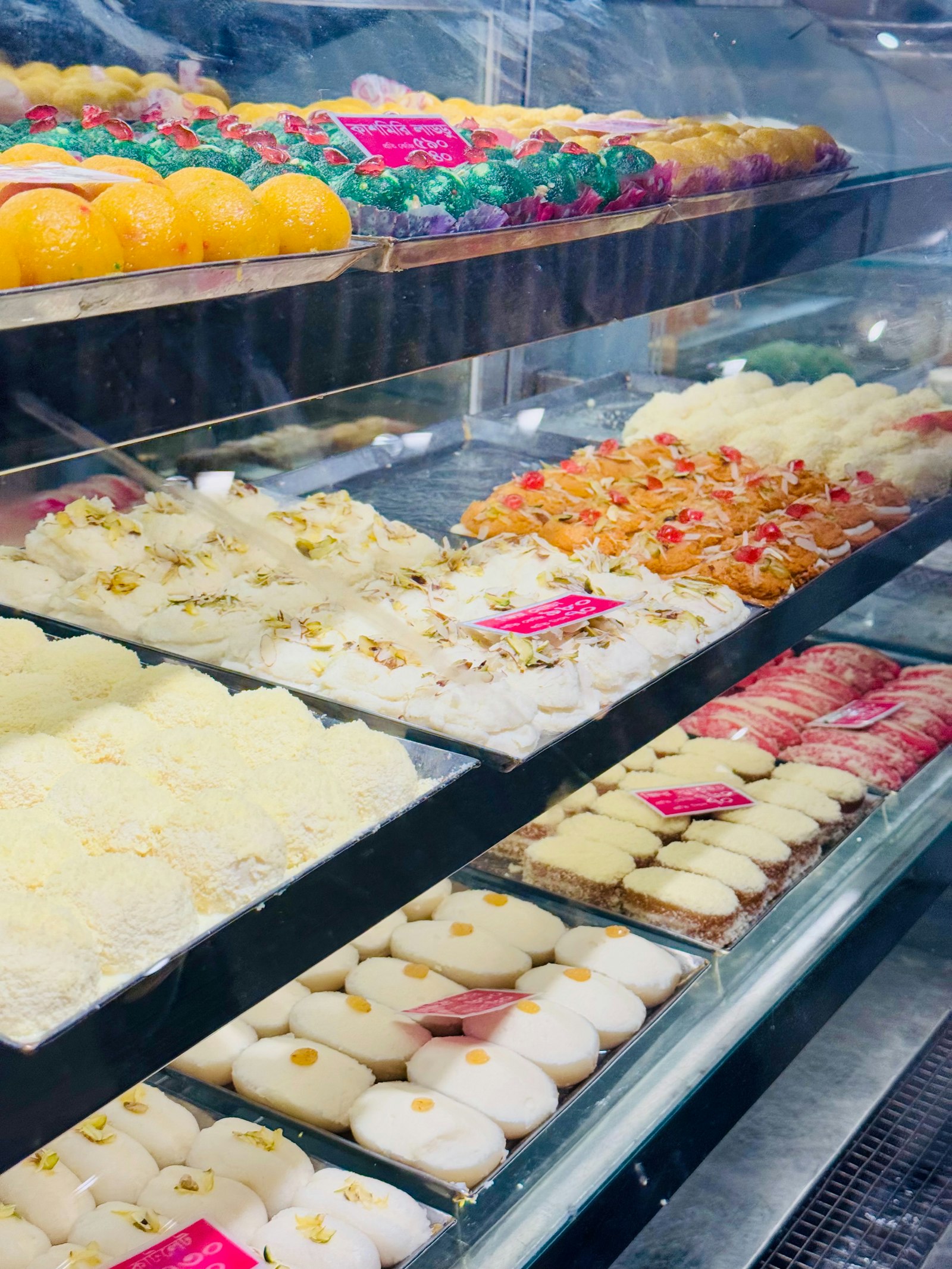
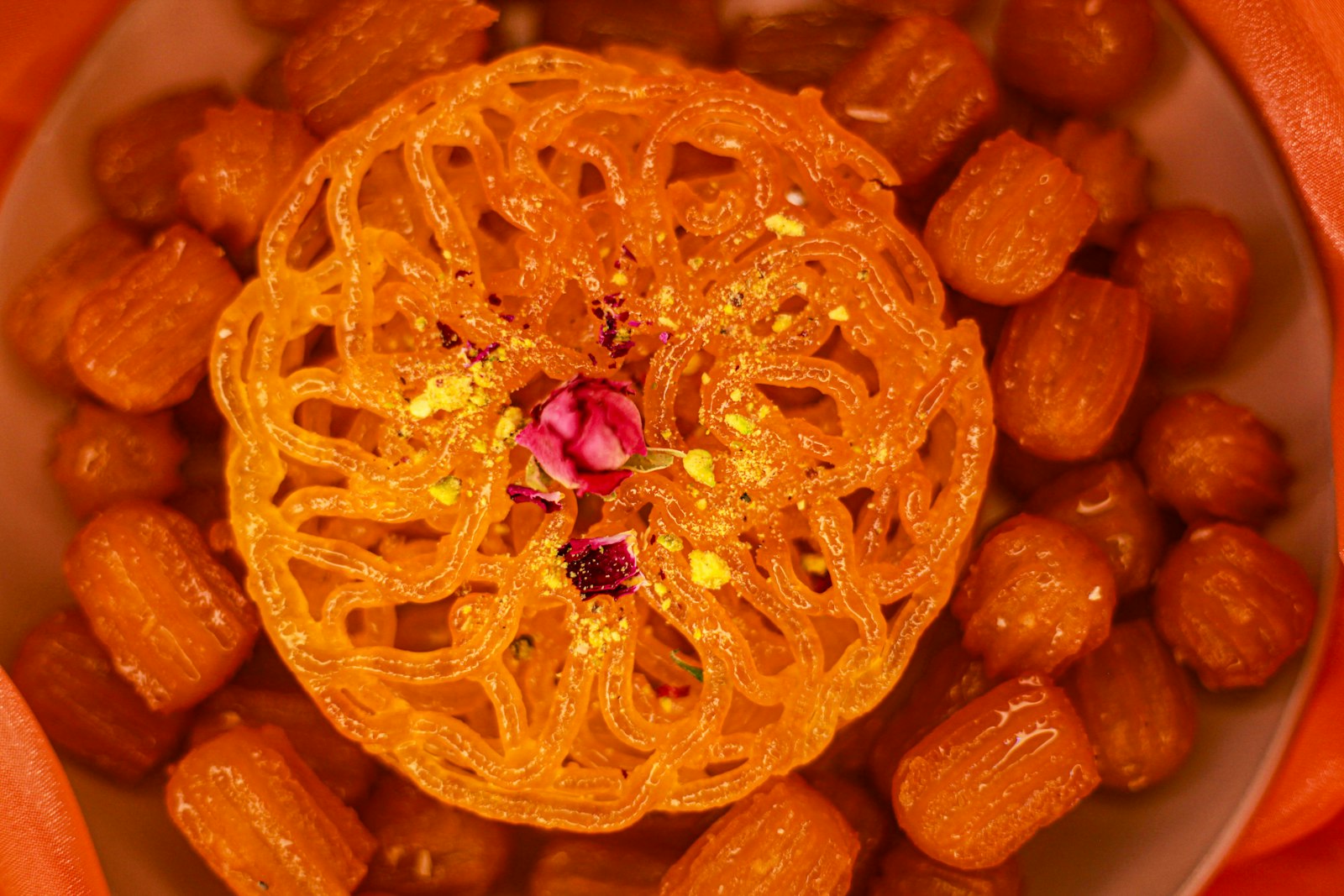
- Mithai: boxes of sweets like kaju katli, ladoo and gulab jamun, shared with neighbors, staff and business partners.
- New clothes, gifts and puja: families dress up, pray together and exchange gifts.
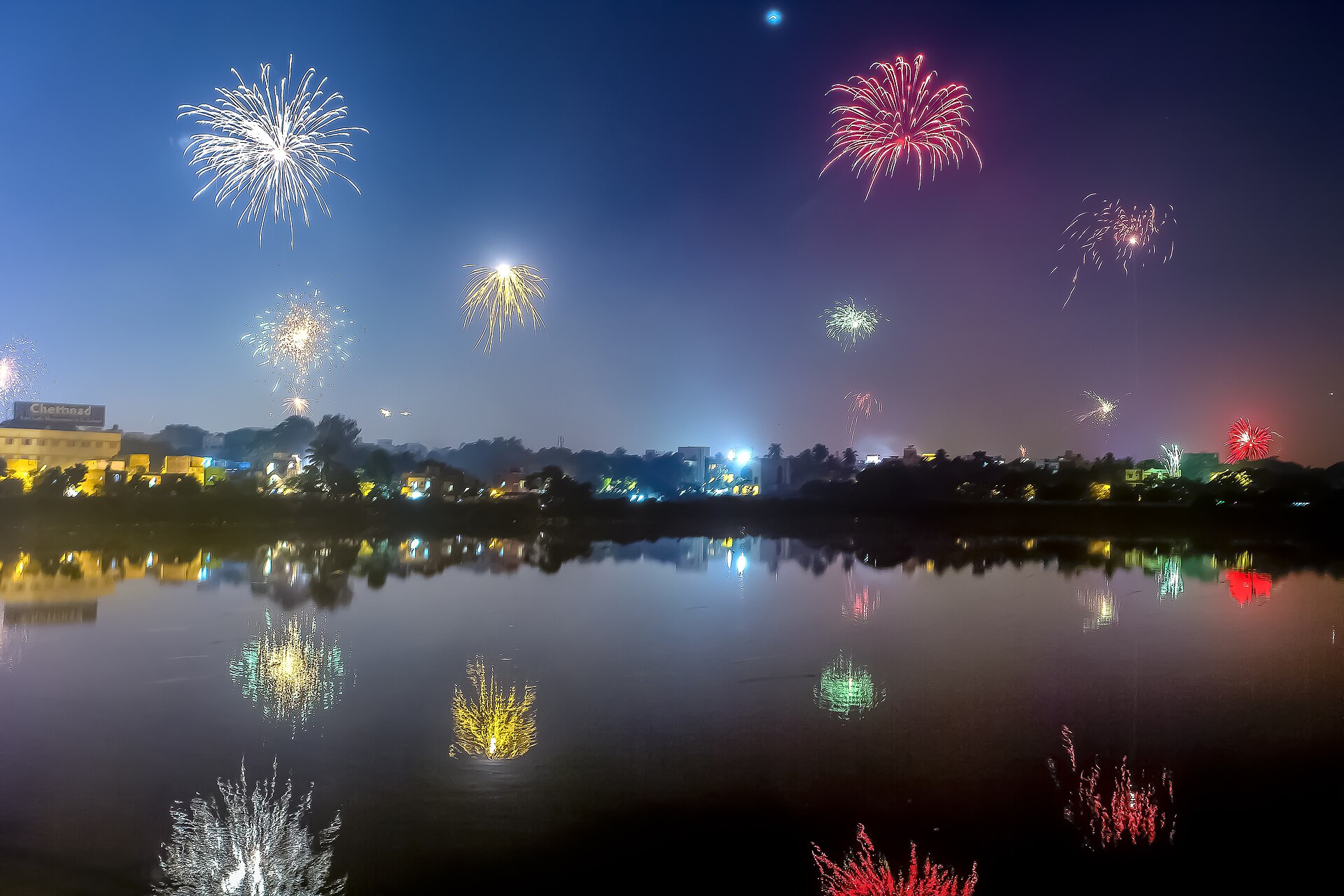
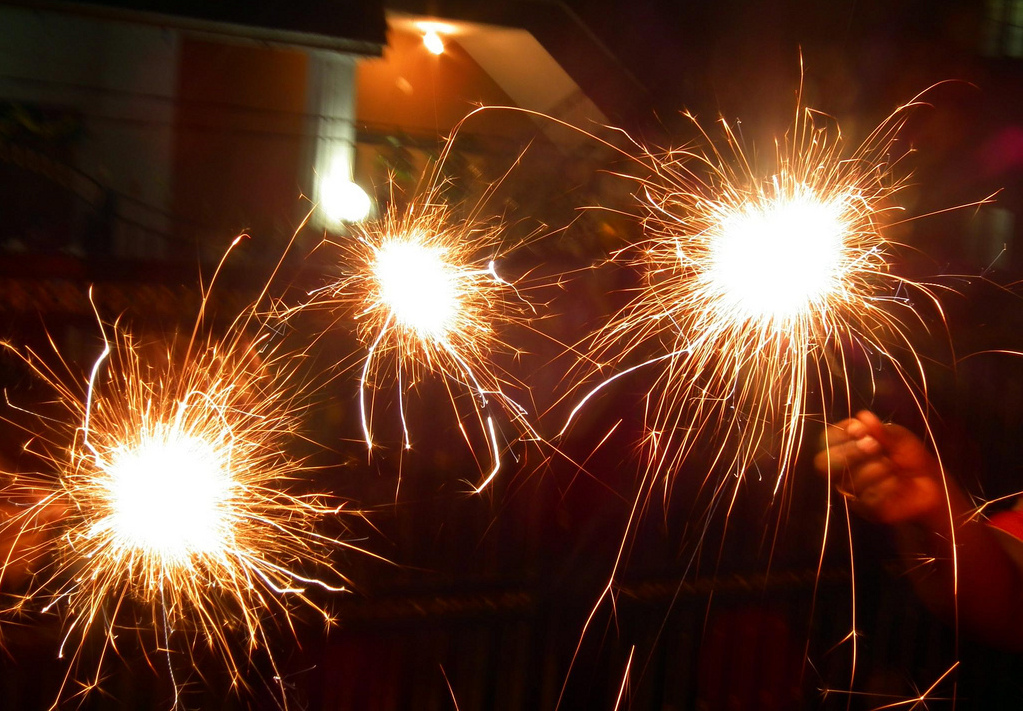
- Fireworks: common in India; in the U.S., usually limited to permitted public displays.
The Patel story: from village headman to hotel owner
The Patel motel is one of the great American immigration stories, and it started with one man, one wartime hotel and a lot of handshake loans.
What “Patel” actually means
There is a popular joke in the industry that Patel must mean “innkeeper.” It doesn’t. The Gujarati word paṭel means village headman, and it traces back through Prakrit to the Sanskrit paṭṭakila, a tenant or holder of royal land. The patel kept the village land records, collected revenue and spoke for farmers to the state.
Over centuries the title became a surname, especially among the Patidar farming communities of Gujarat. Look at the job description, though (steward of property, keeper of the ledger, the person everyone comes to with a problem) and the joke lands closer than it should. It is a fair description of a hotel owner.
1942: The first Gujarati hotelier
The first Gujarati hotelier in the United States was Kanji Manchhu Desai, often called Kanjibhai. Historian Mahendra Doshi, author of Surat to San Francisco, records that he arrived in 1937 without papers and picked fruit in California for low wages.
In 1942, the Japanese American owner of a 32-room Sacramento hotel was forced into an internment camp. Desai and two Gujarati farmworkers took over running it. After the war, in 1947, he leased the Hotel Goldfield in San Francisco.
The Goldfield became a landing pad. Desai housed newcomers from Gujarat, made handshake loans with no collateral, and pushed them toward the business with simple advice: lease a hotel. Doshi credits him with launching more than 30 Patel hoteliers in San Francisco between 1947 and 1955.
1965 onward: the boom
A 1946 law allowed about 100 Indian immigrants a year. The Immigration and Nationality Act of 1965 opened the door much wider, and more families arrived in the 1970s, including Gujaratis expelled from Uganda in 1972.
The model was simple and brutal: buy a run-down motel on a highway, live on-site, have the whole family work the desk, the laundry and the rooms, then sell and buy the next one. Kids answered phones at nine and ran properties as teenagers.
Owners faced real prejudice. In the 1980s some competitors hung “American Owned” signs to steer guests away from Indian-owned properties. Indian American owners responded by organizing, and AAHOA was formed in 1989.
Today
According to an Oxford Economics study for AAHOA, members own about 60 percent of U.S. hotels, roughly 36,800 properties and 3.2 million guest rooms, and support 4.1 million U.S. jobs. In Texas, Arkansas, Louisiana and Oklahoma, the share of AAHOA member-owned hotels approaches 90 percent.
The business is now in its second and third generations, many of them running branded upscale portfolios. AAHOA’s chair for 2026–27 is Rahul Patel.
Further reading and watching: Mahendra K. Doshi, Surat to San Francisco; Pawan Dhingra, Life Behind the Lobby; the 2025 documentary The Patel Motel Story.
How hotels learned to celebrate Diwali
For most of its history Diwali was a festival you celebrated at home, so hotels came to it late, and then in three distinct waves.
Wave 1: The motel office (1950s–1990s). For Indian American owner families, Diwali happened in the apartment behind the front desk. Diyas went in the office window, a small shrine sat by the register, and the family took turns at the desk so everyone could join the puja. The business never closed, so the festival came to the business.
Wave 2: India’s hotels turn Diwali into a season (2000s–2010s). As Indian travel grew, more families spent the Diwali break away from home. Hotels in India answered with Diwali stays, festive buffets, gift hampers and corporate Diwali parties, which became a major revenue line for the season. Heritage operators such as Neemrana leaned into lamp-lit, fireworks-free celebrations at their fort palaces, and Taj began marketing Diwali offers across its hotels worldwide.
Wave 3: The diaspora and the mainstream (2010s–now). Hotels in Dubai, London and Australia now run Diwali brunches, diya-painting workshops and rangoli classes for guests. In the U.K. this year, Farlam Hall in Cumbria is selling a Diwali residential package with a diya-lighting ceremony and a black-tie gala.
In America the pattern is different. Most U.S. hotel Diwali activity is venue business: Indian American chambers, professional networks and community groups book ballrooms for galas and parties. A smaller group of luxury hotels, led by Taj’s U.S. properties, stage their own events. That gap, with plenty of community demand and few hotel-led programs, is the opportunity.
Where America’s hotels are celebrating Diwali 2026
From Fifth Avenue to Sugar Land, U.S. hotels are hosting Diwali this season in two ways: their own culinary events, and ballrooms filled by community galas.
The Pierre, A Taj Hotel, New York
The Pierre hosted a Diwali gathering in late October attended by prominent Indian American and international guests. The hotel partnered with three New York Indian restaurants, Chatti, Junoon and Musaafer, on a curated “Culinary Journey Through India” built around regional dishes. It ran alongside the city’s Diwali at Times Square festival on Oct. 24.
The Pierre has form here: it has hosted the high-profile Diwali New York gala in past years, which helped put the festival on the city’s social calendar.
Ballrooms across the country
Indian American community groups are booking hotels for Diwali galas and parties this season. Confirmed listings:
| Hotel | City | Event | Date |
|---|---|---|---|
| Delta Hotels by Marriott Cincinnati Sharonville | Cincinnati, OH | Indian American Chamber of Commerce of Greater Cincinnati, 15th Annual Diwali Gala | Thu, Nov. 12, 5:30–10 p.m. |
| APA Hotel Woodbridge | Iselin, NJ | Diwali Fest 2026 (free) | Fri, Nov. 6, 3–9 p.m. |
| Hyatt Place Houston/Sugar Land | Sugar Land, TX | SAREP Diwali Party (networking) | Thu, Nov. 5, 6:30–10 p.m. |
| The Emily Hotel | Chicago, IL | SAIRE Diwali Celebration (networking) | Wed, Nov. 4 |
| DoubleTree Suites by Hilton Boston–Cambridge | Cambridge, MA | Diwali party | Tue, Oct. 27 |
Hotels next to the big festivals
Some of the country’s largest public Diwali events sit beside major hotels, and Hilton has marketed properties to festival-goers in past years:
- San Antonio: Diwali SA, born from the city’s sister-city tie with Chennai, India, is the largest city-sponsored Diwali celebration in the country, held along the River Walk and at Hemisfair. Hilton has promoted Hilton Palacio del Rio, across the river, as the place to stay.
- Chicago: Devon Avenue, the city’s “Little India,” lights up for the season; Hilton has pointed guests to Hampton Inn Chicago North-Loyola Station nearby.
- New York: Diwali at Times Square, held since 2013, draws thousands to Midtown each October.
- Sugar Land, Texas: Fort Bend Diwali takes place Saturday, Nov. 14.
Hosting a Diwali program at your property this week? Tell the newsroom and we’ll add it to this list.
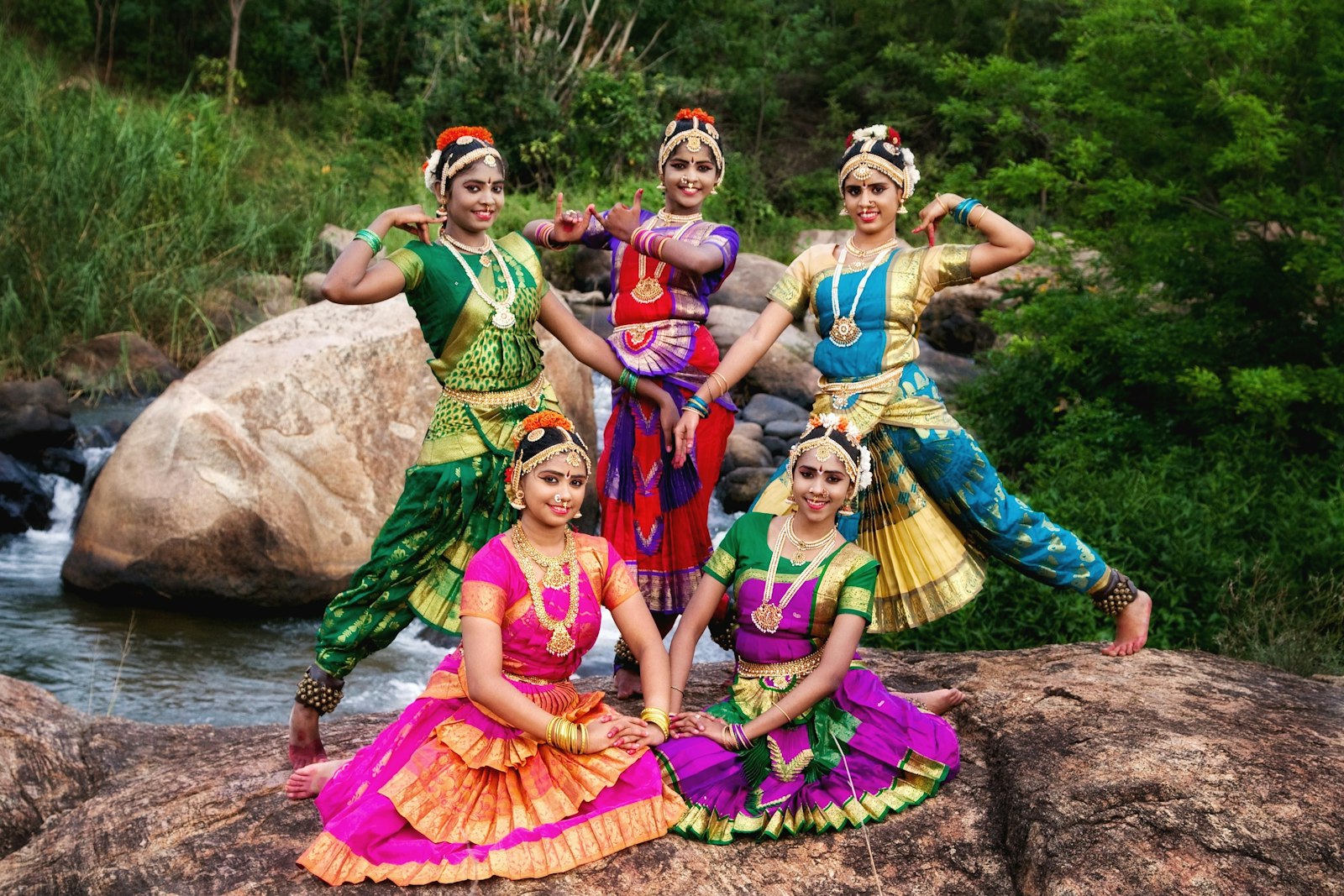
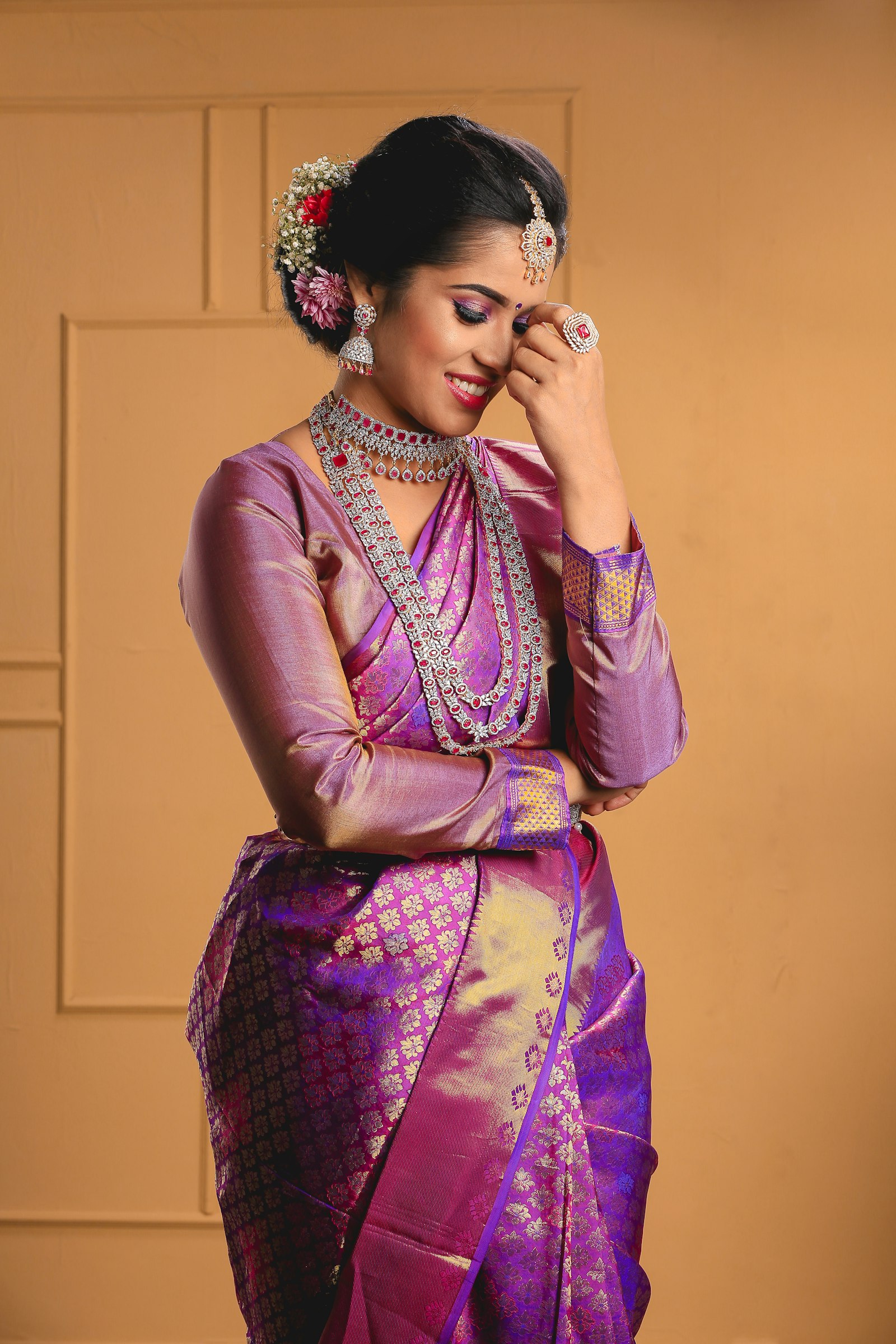
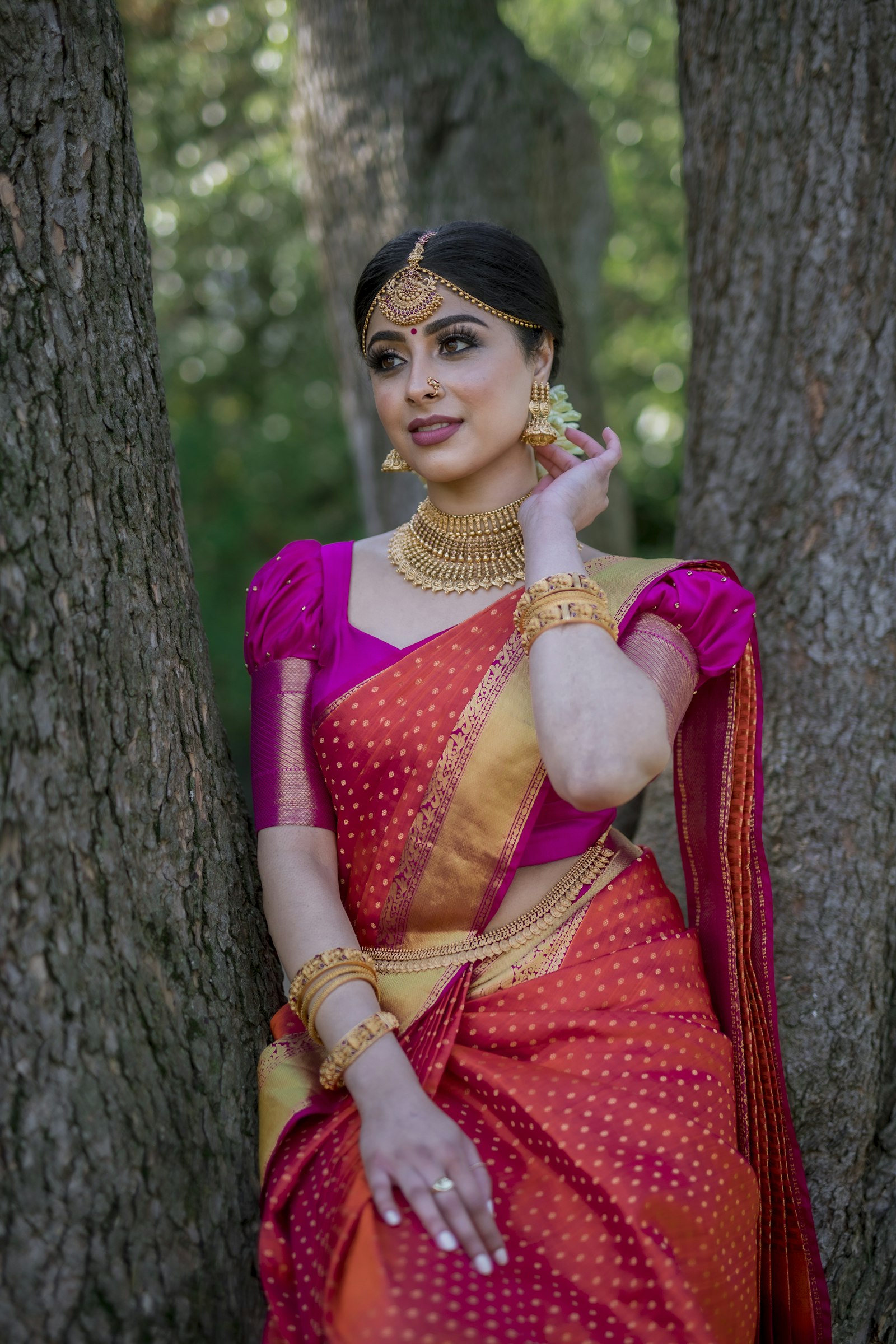
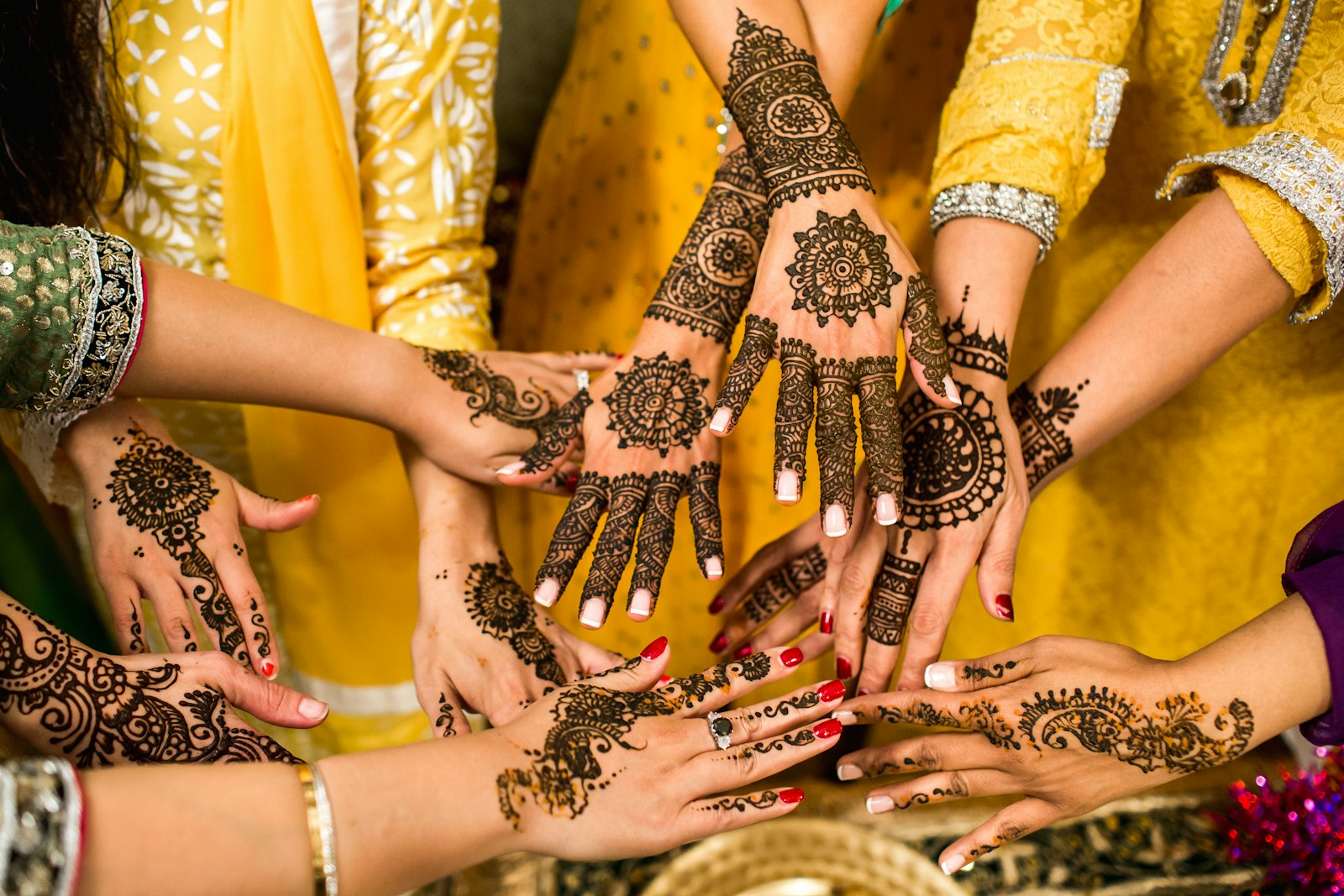
The Festival of Lights in eight frames
Swipe or use the arrows →
What Diwali means for your hotel, and how to celebrate it
Diwali may be the most under-programmed holiday in American hospitality: millions of guests celebrate it, the people who own most of the industry live it, and few hotels market it.
About 4.9 million Indian Americans live in the U.S., and they are one of the highest-earning groups in the country. Three states now treat Diwali as an official holiday, and New York City closes its schools for it. The demand is real. The programming isn’t there yet. Here is how to get ahead of it.
If you’re an owner who celebrates
- Bring it to the front of the house. Your family has always celebrated behind the desk. Move a little of it into the lobby: a rangoli at the entrance, a row of lamps at reception, a sign that says Happy Diwali · Saal Mubarak.
- Give your team the night. Schedule so staff who celebrate can be home for Lakshmi Puja on Sunday. Cover shifts the way you would for Christmas Eve.
- Share the meaning with everyone on staff. A five-minute pre-shift talk on what Diwali is turns it from “the owner’s holiday” into something the whole team can explain to guests.
- Close the books the old way. If your family does Chopda Pujan, consider inviting your GM or management company to the blessing. It’s a powerful way to start the new business year together.
If you’re a GM or brand team
- Sell the ballroom season. Diwali galas, chamber dinners and corporate parties cluster on the weekends from mid-October to mid-November. Call your local Indian American chamber, temple committees, university student associations and professional groups now for 2027. Package the ballroom with a room block and a vegetarian banquet menu.
- Book the date early. Diwali follows the lunar calendar and moves every year, landing between mid-October and mid-November. Put next year’s date in your sales calendar today.
- Get the menu right. Many guests eat vegetarian during the festival. Offer a fully vegetarian menu, and ask about Jain diets (no onion, garlic or root vegetables). Partner with a local Indian restaurant or sweet shop rather than improvising.
- Welcome guests the Diwali way. A mithai box at turndown, a welcome rangoli, a diya-painting station for kids, or a henna artist in the lobby on Saturday afternoon. Small touches, big recall.
- Market it. A Happy Diwali email to past guests, a social post on Nov. 8 and a listing on local Diwali event guides cost almost nothing. Properties near large festivals, in San Antonio, on Devon Avenue in Chicago, in Edison, N.J., in Sugar Land and in the Bay Area, should run a festival-weekend rate.
- Hire local artists. Commission a rangoli artist or a classical dancer from the community. It’s authentic, it supports local talent, and it makes great content.
Get it right: a short etiquette list
- Use LED diyas in guest rooms and unattended spaces. Real flame stays supervised and within your local fire code.
- Treat sacred images with care. Lakshmi and Ganesh are objects of worship, not decor. Don’t put them on floors, napkins or cocktail menus.
- Ask before you assume. Diwali means different things to Hindus, Sikhs, Jains and Buddhists. When in doubt, ask a guest, a staff member or a local temple.
- Say it right. “Happy Diwali” works for everyone. “Saal Mubarak” is the Gujarati New Year greeting on Nov. 9.
Your 2026 Diwali checklist
- Rangoli or floral display at the entrance by Saturday, Nov. 7
- LED diyas at reception through Tuesday, Nov. 10
- “Happy Diwali” welcome signage and a staff briefing
- Vegetarian (and Jain-friendly) options on the menu
- Mithai at turndown or the front desk on Sunday, Nov. 8
- A Happy Diwali post and guest email on Nov. 8; “Saal Mubarak” on Nov. 9
- Sales calls to local Indian American groups for 2027 galas
The families who built this industry have celebrated Diwali behind the front desk for more than 80 years. This year, bring the light out front. Happy Diwali, and Saal Mubarak, from all of us at The Hotelier Times.
Sources: Dates and traditions: My Tickets to India, Book Your Travel Partner, Namaste Community, Gulf Times. Diwali in American public life: Spectrum News, KTVU, India Empire. The Patel name and hotel history: Wiktionary, National Geographic, India Currents, CNN, AAHOA/Oxford Economics, Lodging, Hospitality Net. Hotels and Diwali: indica News, Indian American Chamber of Commerce of Greater Cincinnati, Stories From Hilton, San Antonio Report, CoStar, IHCL, Farlam Hall.



Comments
No comments yet. Start the conversation.