How Last Night’s Election Affects Your Hotel
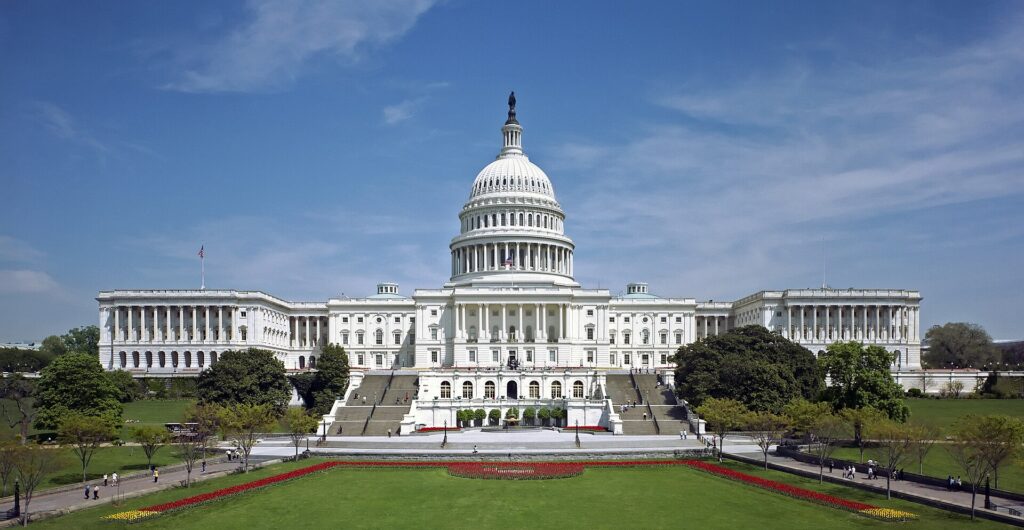
Democrats now control both chambers of Congress. Your tax breaks are mostly safe, tariffs and labor rules are back on the table, and Texas just elected its first Democratic governor in more than 30 years. Here is what it means for the hotel P&L in 2027.
Voters handed Democrats the U.S. House and Senate on Tuesday, ending two years of unified Republican control in Washington. The result sets up divided government for the last two years of President Trump’s term: Democrats can block bills, run committees and investigate, but Trump keeps his veto.
For hotel owners, the short version is this. The big 2025 tax wins (100% bonus depreciation and the 199A pass-through deduction) are written into permanent law and would take a new law, signed by Trump, to undo. The fights that matter now are tariffs, a December 11 shutdown deadline, the labor pool, and a softer 2027 demand year. The biggest local shake-ups came in Texas and in a string of California hotel-tax votes.
The results at a glance
Democrats needed a net gain of 4 Senate seats and 3 House seats. They cleared both by a wide margin, according to projections from AP, CBS, NBC and CNBC as of early Wednesday. Counting continues, so final seat totals will move.
- House: Democratic majority. NBC projects about 255 seats; CBS estimates suggested up to 259; CNBC’s floor was 235. 218 is a majority.
- Senate: Democratic majority, built on 7 Republican-held seats flipped (TX, NC, OH, ME, IA, KS, SC).
- Mood of the electorate: Exit polls put Trump’s approval near 38%, and about 60% of House voters said he factored into their vote (CBS).
New Hampshire (Chris Pappas) and Minnesota (Peggy Flanagan) also stayed Democratic.
What happens next in Washington
Nothing changes on paper until January 3, when the new Congress is sworn in. The outgoing Republican Congress returns November 9 for a lame-duck session, and it has one hard deadline that touches every hotel near a federal workforce: government funding runs out December 11.
- Nov 9: Lame-duck session opens. On the list: a funding bill, the defense bill, possibly a farm bill and a debt-limit increase.
- Dec 11: Stopgap funding expires. A miss means a lapse starting Dec 12, which would be the fourth shutdown of Trump’s second term. The last full shutdown ran 43 days in fall 2025, and a separate Homeland Security shutdown lasted 76 days this spring.
- Jan 3, 2027: Democrats take control. House Democratic leader Hakeem Jeffries, likely the next Speaker, has promised a “first 100 hours” push on health-insurance subsidies, Medicaid cuts, tariffs and the Iran war.
- Mid-2027: The debt limit has to be raised again. That gives Democrats leverage, which is why some Republicans want to raise it in the lame duck.
The limits matter as much as the win. Democrats are far short of the 60 Senate votes needed to pass most bills, and far short of the two-thirds needed to override a veto. Expect a lot of votes, hearings and oversight, and few new laws, unless both sides want the same thing.
What it means for your hotel: If you sell to federal travelers, contractors or a military base, watch December 11. AHLA told Congress last year that shutdowns hit hotels directly through lost government travel. Book business accordingly and keep cash on hand for a slow December.
Taxes: what’s locked in and what’s in play
Most of the tax relief hotel owners won in 2025 is safe for now. The One Big Beautiful Bill Act, renamed the Working Families Tax Cuts Act, made 100% bonus depreciation and the 199A pass-through deduction permanent. Repealing them would take a new law that Trump would veto.
The real tax risk is longer-dated. Democrats campaigned on rolling back tax cuts for the wealthy and large corporations. They cannot do that over a veto, but it sets up the 2028 election, when the tips and overtime breaks expire and a new president could sign changes.
What it means for your hotel: Don’t delay planned capital spending out of tax fear. Bonus depreciation is permanent law. If anything, 2027 is a clean year to place renovations in service. Talk to your CPA about cost segregation now while the rules are settled.
Tariffs, gas and the cost of running a hotel
Tariffs are where the new Congress will push first, and where hotel owners could feel relief soonest, if any comes. Jeffries and DNC Chair Ken Martin have both named repealing Trump’s tariffs as a top priority, alongside ending the Iran war that drove up fuel costs.
The catch is the veto. A tariff rollback passed by both chambers would almost certainly be vetoed, and Democrats lack the votes to override. Real change would need Republican defectors or a deal with the White House.
Why this matters for owners: costs, not revenue, have been the industry’s problem. AHLA’s 2026 State of the Industry report found gross operating profit per room still about 90% of pre-pandemic levels because expenses keep rising. CBRE found 2025 hotel revenue grew 2.6% while expenses grew about 3%. Imported goods (case goods, FF&E, linens, kitchen equipment, building materials) feed straight into PIP budgets and replacement reserves.
Fuel is the other cost line. Brent crude spiked to about $118 a barrel on March 31 after the Iran war began, then fell to roughly $72 by July 1. U.S. gas averaged above $4 a gallon for weeks this spring, and jet fuel more than doubled. That raised airfares and hurt drive-to and fly-to leisure trips alike.
What it means for your hotel: Don’t bank on cheaper FF&E in your 2027 budget. Price PIPs at today’s tariff levels and treat any rollback as upside. If you are mid-renovation, ask suppliers how they will pass through a tariff cut if one happens.
Labor and immigration
Staffing is the issue where a Democratic Congress changes the conversation most, but not the rules overnight. Immigration enforcement is run by the executive branch. What Congress controls is funding, oversight and the visa caps.
The pressure is real. In an AHLA survey of 246 hoteliers in late February, more than half said they were somewhat or severely understaffed; 65% named labor costs and 42% named worker shortages as top pressures. About one-third of hotel workers are immigrants, concentrated in housekeeping and kitchens. In October the State Department said it had revoked more than 300,000 visas.
On seasonal labor, the administration added 64,716 H-2B visas on top of the 66,000 cap for fiscal 2026, but demand far exceeded it, and that extra allocation expired September 30. A bigger, permanent H-2B fix or a returning-worker exemption is one of AHLA’s top asks, and it is one of the few items with backers in both parties. One complication: Sen. Susan Collins, named by AHLA as a leader on worker-visa proposals, lost her seat.
On the other side of the ledger, Democratic control raises the odds of more attention to wage and benefit mandates. Most of that action is local, though: Los Angeles is moving its hotel and airport minimum wage toward $30 an hour, while Oklahoma voters rejected a $15 statewide minimum in June.
What it means for your hotel: Expect hearings and pressure on enforcement, not a quick change in who can work. File early for H-2B in January, keep I-9 files clean, and budget for wage growth above inflation in 2027.
What to expect for demand in 2027
Forecasters expect 2027 RevPAR growth of about 2%, roughly half of 2026’s World Cup-boosted pace. The election doesn’t change that math much; the bigger swing factors are fuel prices, international travel and the economy.
Keep reading
Read the rest of this article with a $0.99 day pass, or subscribe for $1.99 per month.
Already a member? Log in


Comments
No comments yet. Start the conversation.