Motel 6 Trafficking Suits in East Texas Started Months Before October: What Franchisees Should Watch
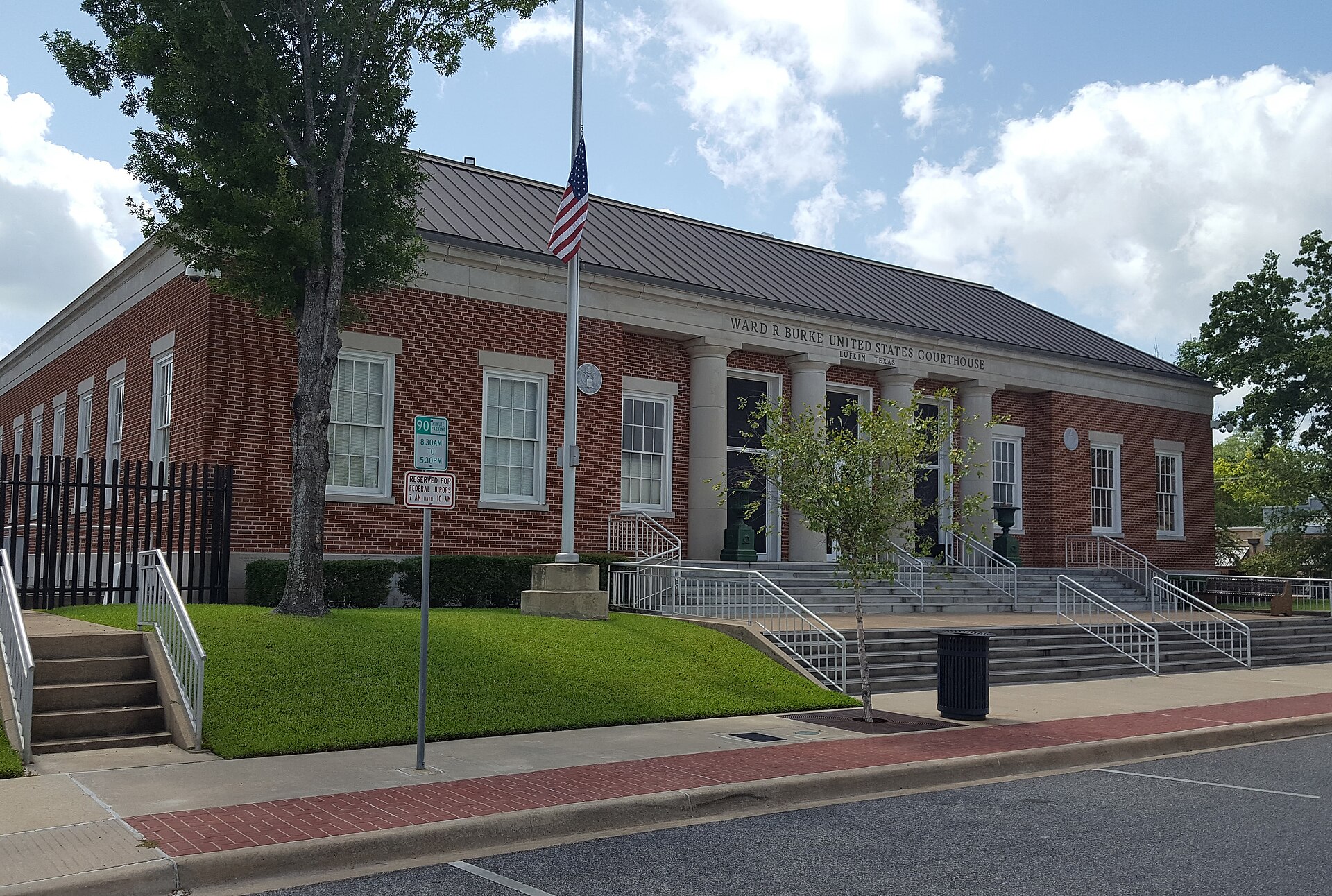
The wave of Motel 6 sex-trafficking lawsuits in East Texas did not start in October. Federal court records show the same Lufkin-based filings building since at least February 2026, naming Motel 6 franchise owners from Washington state to Louisiana. And how other federal judges have ruled on similar suits shows what franchisees should watch next.
This is a follow-up to our Oct. 30 story, Dozens of Lawsuits in East Texas: What Motel 6’s Trafficking Cases Mean for Franchisees, our most-read story of the past month. These are civil lawsuits with allegations that have not been proven. No court has found Motel 6’s parent company or any franchisee liable in these East Texas cases.
What’s new: the filings go back to February
Law.com’s Texas Lawyer reported on Oct. 28 that two law firms filed 50 trafficking suits against the company that operates Motel 6 in a single week. A review of public dockets on Justia shows that week was a peak, not a starting point:
- February 2026: Attorney Jason Byrd filed suits against G6 Hospitality Property LLC in the court’s Lufkin Division, including K.P. v. G6 Hospitality Property and G.B. v. G6 Hospitality Property, both filed Feb. 10.
- June and July 2026: A steady run of cases before U.S. District Judge Michael J. Truncale, such as S.R. (June 22), D.W. (June 30), E.C. (July 13) and T.S. (July 24).
- September 2026: New cases began going to U.S. District Judge Jeremy D. Kernodle, including J.L.M., filed Sept. 11.
Our count is not complete. Justia shows only part of each docket, and we have not reviewed every filing. But the pattern is clear: this has been building all year.
Out-of-state owners are being named in Texas
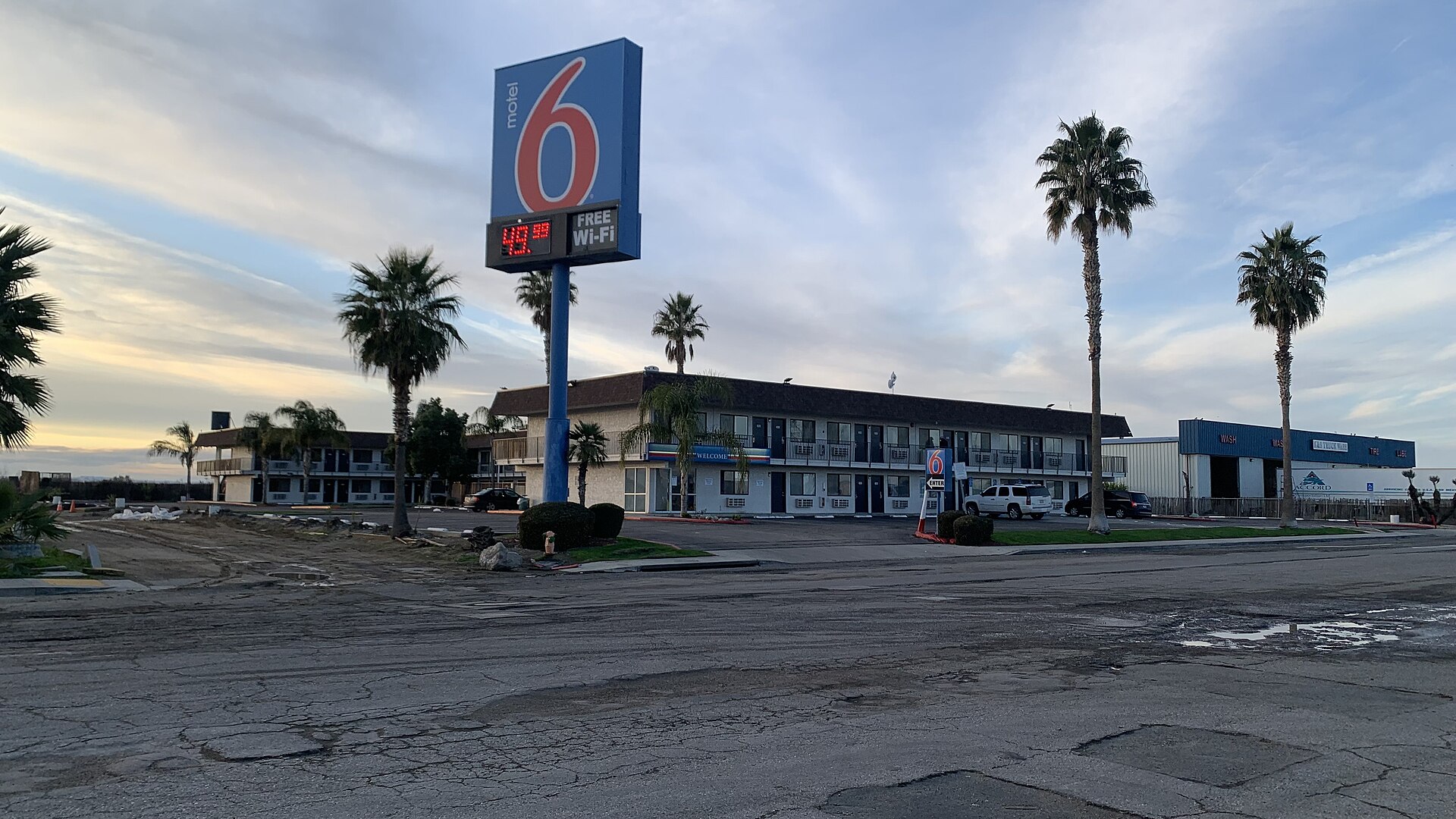
The franchisee defendants in these Lufkin cases are not mostly Texas hotels. The captions include, for example, companies doing business as Motel 6 Tacoma and Motel 6 Wichita, two companies named for Lake Charles, La., an owner called M6 SLC Owner LLC, and a company doing business as Motel 6 Southgate. The suits put those owners in East Texas federal court alongside the G6 Hospitality companies, which are based in Texas.
Whether a Texas court can keep every out-of-state franchisee in these cases is a question the judges have not answered yet in this group of suits. If you own a Motel 6 anywhere, the practical point is that your company can be named in a court far from your hotel.
One early case went to mediation
In K.P. v. G6 Hospitality Property, one of the February cases, Judge Truncale granted the plaintiff’s unopposed motion on March 12 to pause the case for mediation, appointed the Honorable Erin Lunceford as mediator, and canceled the case’s court dates. The docket does not show the result. A mediation order is not a settlement and is not an admission by anyone, but it suggests some of these cases may be resolved privately rather than tried.
How other courts have ruled: it depends on the facts
Federal judges elsewhere have split on how far a hotel franchisor can be held responsible under the federal anti-trafficking law, the TVPRA:
- Dallas, September 2025: Senior Judge Sidney Fitzwater refused to drop the G6 franchisor companies from a case over a Studio 6 in Dallas, because the plaintiff alleged they owned and operated the hotel. He said the question could come back later in the case, according to a summary by law firm Buchalter.
- Washington state, March 2026: A federal judge let claims against the G6 franchisor companies go forward in a Seattle-area case, pointing to specific allegations about what staff could see and to the brand’s control through policies, training, technology and inspections. The judge dismissed a separate claim that the companies were themselves traffickers, Buchalter reported.
- Georgia, December 2023: A federal court dismissed claims against the G6 franchisor because the plaintiff did not show it had contact with the traffickers or knew about them, while letting some claims against the local franchisee proceed, according to Lathrop GPM.
Notice the Georgia result: the brand got out, and the local owner stayed in. That is the exposure franchisees should plan around.
Don’t expect one big case
Federal judges have twice refused to combine hotel trafficking suits into one national case, in 2020 and again in April 2024, finding each survivor’s case too specific to its own facts. So these East Texas cases are likely to move one at a time, on separate schedules.
What franchisees can do now
- Call your insurance broker. Ask whether your general liability and umbrella policies cover trafficking claims, and whether they contain abuse or molestation exclusions.
- Read your franchise agreement’s indemnity section. Know who is supposed to defend whom if both you and the brand are sued.
- Document your training. Keep dated records that front-desk and housekeeping staff completed anti-trafficking training, and of any reports made to police.
- Keep your records. Once you know of a claim, do not discard reservation data, video or incident logs.
- Talk to a lawyer who handles TVPRA defense if your company is named. This story is not legal advice.
G6 Hospitality has said in past cases that it condemns human trafficking and requires training at its hotels. We found no public statement from G6 or its owner, OYO, about the East Texas filings as of Nov. 6. We will update this story if the company responds or the court rules.



Comments
No comments yet. Start the conversation.