Booking Records $1 Billion Hit Over Priceline FTC Matter Involving Hotel Booking Practices
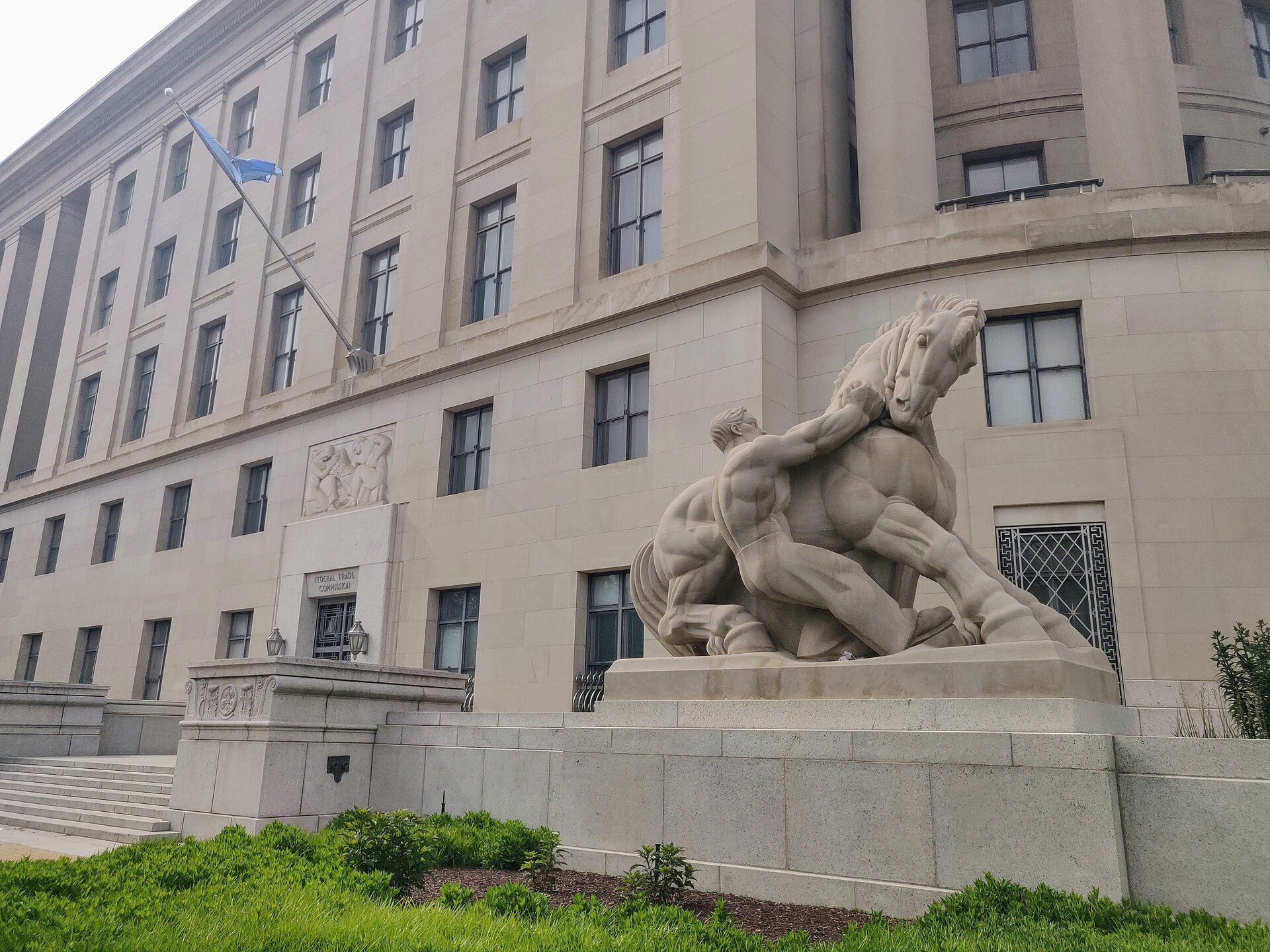
Booking Holdings has recorded a $1 billion combined accounting impact tied to a potential Federal Trade Commission complaint against Priceline and an affiliate partner, bringing fresh scrutiny to how hotel rooms are marketed and sold through intermediaries.
The company disclosed a $900 million reduction in revenue and a separate $100 million accrued loss in its third-quarter results, announced Nov. 3. The matter concerns alleged unfair or deceptive practices involving disclosures, fees, customer support and billing.
For hotel owners and general managers, the controversy reaches beyond an online travel company’s financial statements. It raises a practical question: Does a traveler understand who is taking the reservation—and who is responsible when something goes wrong?
The disclosure does not establish that wrongdoing occurred. Booking says Priceline is discussing a resolution with the FTC, no settlement has been agreed and litigation remains possible.
What the $1 Billion Represents
In its quarterly SEC filing, Booking said FTC staff informed Priceline in July 2026 that they intended to recommend a complaint against Priceline and an affiliate partner.
The $900 million was recorded as a reduction in total revenues. The additional $100 million was recorded in general and administrative expenses. Both appear in the results for the three and nine months ended Sept. 30; they are not separate charges for each period.
The distinction matters. The combined $1 billion is an accounting impact associated with an unresolved matter—not an announced fine, completed settlement or confirmed payment to consumers.
Booking reported third-quarter revenue of $8.893 billion, down 1.3% from a year earlier, and attributed the decline primarily to the FTC matter. The company also cautioned that the FTC could seek monetary penalties and restitution exceeding the amounts recorded.
Where Guest Reservations Fits
Booking’s filing does not name the affiliate partner. Reuters reported Nov. 3 that the FTC has been investigating Priceline’s relationship with Guest Reservations, a third-party hotel booking website.
According to Reuters, the investigation includes whether the relationship violates a rule against impersonating other businesses, along with potential fee-related violations.
Reuters also reported complaints from consumers who believed they were booking directly with hotels, as well as complaints involving unexpected fees and difficulty obtaining customer support. Those complaints are not adjudicated findings.
Citing an ongoing lawsuit filed by San Francisco against the companies, Reuters reported that Priceline supplies hotel room inventory to Guest Reservations through Priceline Partner Solutions.
Neither the SEC disclosure nor the Reuters report supports a conclusion that every Priceline reservation—or every booking through an affiliate—is misleading. The allegations concern specific practices, not a finding against the entire third-party hotel distribution model.
A Resolution Remains Uncertain
Booking said a negotiated resolution would likely include payments to the FTC, monetary restitution to certain U.S. consumers and changes to some Priceline business practices.
Those are possible components of a resolution, not finalized terms. The disclosure does not establish which consumers would qualify, how much they might receive or when payments might occur.
The company said it is seeking to resolve the matter through discussions with the FTC, while acknowledging that litigation remains possible. An FTC spokesperson declined to comment to Reuters.
Booking also warned that similar claims could lead to litigation or regulatory proceedings in other jurisdictions.
The materials reviewed for this report did not include a direct response from Guest Reservations. Its position should not be inferred from Booking’s accounting treatment.

What Hotel Owners and GMs Should Examine
For operators, the immediate practical implication is a distribution review—not an assumption that a hotel has violated the law or must abandon an existing channel.
That review can distinguish the hotel’s own booking experience from the experience offered by downstream sellers: how the property is identified, whether the seller’s identity is clear, what total price appears before purchase and where cancellation or billing questions are directed.
These are operational considerations arising from the controversy, not new obligations imposed on hotels by this disclosure.
Front-desk teams can also document the booking website and confirmation details when a guest reports confusion. That creates a factual record without assigning responsibility before the transaction is examined.
For now, the central development is substantial but limited: Booking has recognized a billion-dollar financial impact while Priceline seeks a resolution to a potential FTC complaint. Liability, final remedies and any consumer repayment program remain unresolved.




Comments
No comments yet. Start the conversation.