+The $480 Million Goodbye: What It Cost Braemar to Fire Its Manager
Some numbers tell a story all by themselves. Here are two from Braemar Hotels & Resorts’ third quarter.
Comparable revenue per available room across its luxury portfolio rose 14.4%, to $284. And the company lost about a quarter of a billion dollars.
Both are true for the same reason. Braemar’s hotels are doing well. Leaving the company that ran them was what cost a fortune.
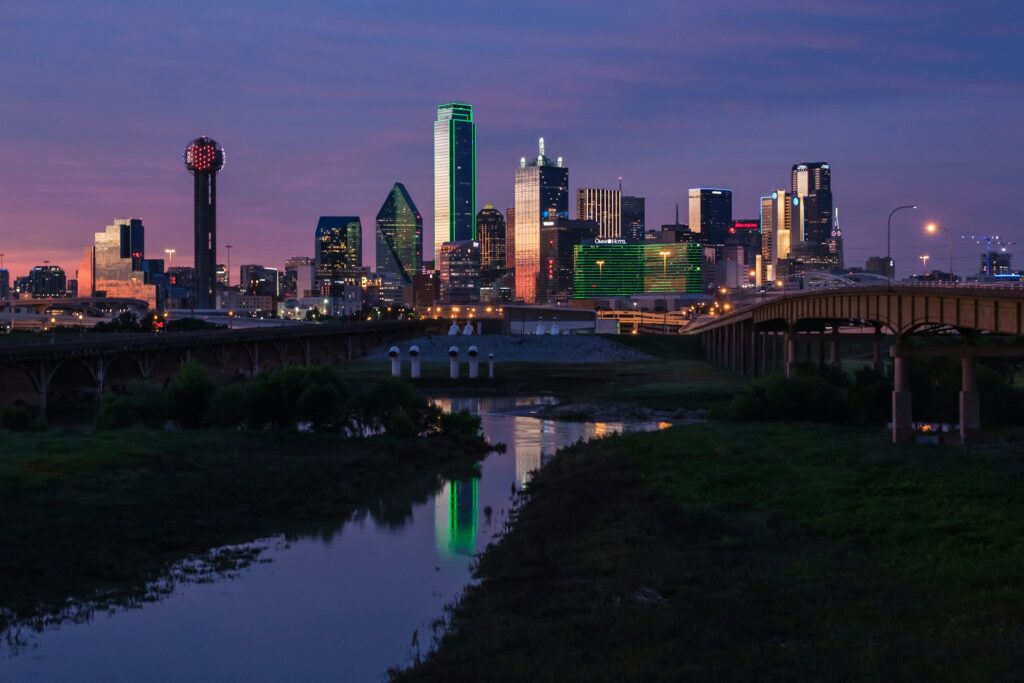
On Nov. 10, the Dallas-based REIT announced it had ended its advisory agreement with Ashford Inc., along with its master hotel management agreement with Remington Lodging & Hospitality and its project management agreement with Premier Project Management. Braemar is now self-managed, with executives employed by the company itself. Its CEO, Richard Stockton, called it the start of a new phase.
Shareholders might reasonably ask what the old phase cost them.
Follow the money
Ending the Ashford arrangement carried a company sale fee of $480 million, which Braemar booked in the third quarter, CoStar reported. A separate $25 million fee ended the master agreement.
To pay it, Braemar sold hotels. The Ritz-Carlton Sarasota, Hotel Yountville and Bardessono went in July for a combined $437.5 million. After that sale, Braemar paid Ashford $173 million. Pier House Resort & Spa sold in August for $190.5 million, followed by a $92 million payment to Ashford. The Four Seasons Resort Scottsdale at Troon North sold for $372 million on Oct. 28. The rest of the termination payments and expenses were paid on Nov. 10. CoStar did not report how much that last payment was.
What remains is a much smaller company. Braemar reported eight hotels as of Sept. 30, a count that included Scottsdale before it closed, down from 14 when the sell-off began. Its shares recently traded at $1.66, down 42.1% year to date. Braemar’s release shows a third-quarter net loss of $249.4 million; CoStar reported the loss as $240.9 million, against $8.2 million a year earlier, and attributed it mainly to the termination fee.
The fee was not a surprise to anyone who read the contracts. Advisory agreements like this one can be very expensive to end. The question shareholders keep asking is who agreed to those terms, and whom they protect.
The shareholder who said it out loud
In June, Braemar’s largest shareholder, Bermuda-based Al Shams Investments, said what many investors were thinking. In an open letter, it called the hotel sales that triggered the fee “self-dealing,” a “massive windfall” for Ashford and a “betrayal” by the board.
Its target was Monty Bennett, who led both Ashford and Braemar. Al Shams argued that Bennett stood to gain far more from the payout than ordinary shareholders, whose stock was then trading around $2.10. It threatened legal action and a slate of new directors.
Braemar fired back that the claims were an attempt to mislead shareholders. It also noted that it had already done several things Al Shams had asked for, including bringing in an independent chair and separating from Ashford.
Comments
No comments yet. Start the conversation.