How Last Night’s Election Affects Your Hotel
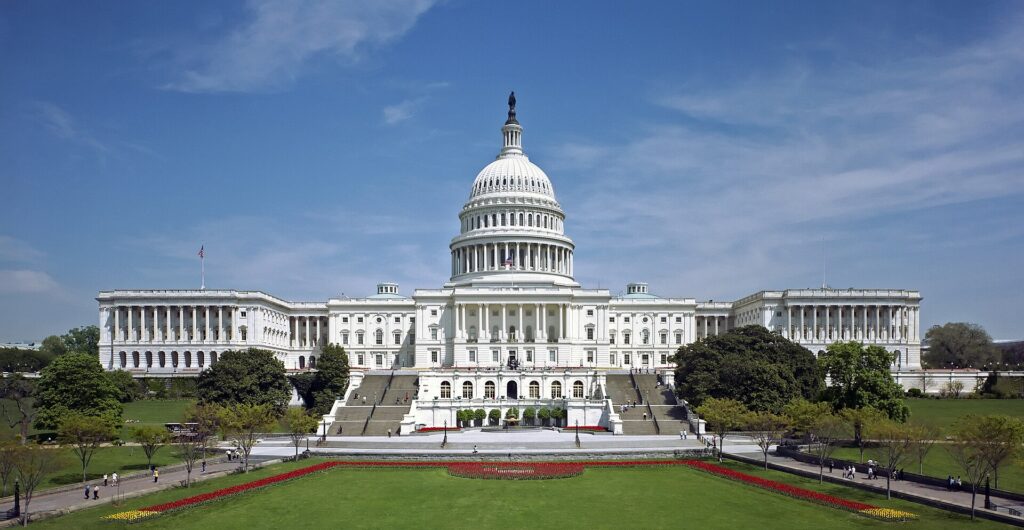
Democrats now control both chambers of Congress. Your tax breaks are mostly safe, tariffs and labor rules are back on the table, and Texas just elected its first Democratic governor in more than 30 years. Here is what it means for the hotel P&L in 2027.
Voters handed Democrats the U.S. House and Senate on Tuesday, ending two years of unified Republican control in Washington. The result sets up divided government for the last two years of President Trump’s term: Democrats can block bills, run committees and investigate, but Trump keeps his veto.
For hotel owners, the short version is this. The big 2025 tax wins (100% bonus depreciation and the 199A pass-through deduction) are written into permanent law and would take a new law, signed by Trump, to undo. The fights that matter now are tariffs, a December 11 shutdown deadline, the labor pool, and a softer 2027 demand year. The biggest local shake-ups came in Texas and in a string of California hotel-tax votes.
The results at a glance
Democrats needed a net gain of 4 Senate seats and 3 House seats. They cleared both by a wide margin, according to projections from AP, CBS, NBC and CNBC as of early Wednesday. Counting continues, so final seat totals will move.
- House: Democratic majority. NBC projects about 255 seats; CBS estimates suggested up to 259; CNBC’s floor was 235. 218 is a majority.
- Senate: Democratic majority, built on 7 Republican-held seats flipped (TX, NC, OH, ME, IA, KS, SC).
- Mood of the electorate: Exit polls put Trump’s approval near 38%, and about 60% of House voters said he factored into their vote (CBS).
| Race | Winner | Result | Why hoteliers care |
|---|---|---|---|
| Texas Senate | James Talarico (D) | Flip; beat Ken Paxton | First Democratic Senate win in Texas since 1988 |
| Texas Governor | Gina Hinojosa (D) | Flip; beat Greg Abbott | First Democratic governor since 1995; property-tax direction changes |
| North Carolina Senate | Roy Cooper (D) | Flip; beat Michael Whatley | Ran on a “Make Stuff Cost Less” tariff and fuel message |
| Ohio Senate | Sherrod Brown (D) | Flip; beat Sen. Jon Husted | Long-time advocate of higher corporate taxes |
| Maine Senate | Troy Jackson (D) | Flip; beat Sen. Susan Collins | Collins was a Senate lead on H-2B worker visas |
| Iowa / Kansas / S. Carolina Senate | Josh Turek, Adam Hamilton, Annie Andrews (D) | Flips | Red-state upsets widen the Democratic margin |
| Georgia Senate | Jon Ossoff (D) | Hold; beat Rep. Mike Collins | Atlanta convention market |
| Michigan Senate | Abdul El-Sayed (D) | Hold; beat Mike Rogers | Keeps a vulnerable Democratic seat |
| Florida Senate | Ashley Moody (R) | Hold | Florida’s federal delegation stays GOP-led in the Senate |
| Nebraska Senate | Pete Ricketts (R) | Hold; beat independent Dan Osborn | GOP’s biggest defensive win |
| Florida Governor | Byron Donalds (R) | Hold, about 50% to 48.7% | Property-tax overhaul push continues |
New Hampshire (Chris Pappas) and Minnesota (Peggy Flanagan) also stayed Democratic.
What happens next in Washington
Nothing changes on paper until January 3, when the new Congress is sworn in. The outgoing Republican Congress returns November 9 for a lame-duck session, and it has one hard deadline that touches every hotel near a federal workforce: government funding runs out December 11.
- Nov 9: Lame-duck session opens. On the list: a funding bill, the defense bill, possibly a farm bill and a debt-limit increase.
- Dec 11: Stopgap funding expires. A miss means a lapse starting Dec 12, which would be the fourth shutdown of Trump’s second term. The last full shutdown ran 43 days in fall 2025, and a separate Homeland Security shutdown lasted 76 days this spring.
- Jan 3, 2027: Democrats take control. House Democratic leader Hakeem Jeffries, likely the next Speaker, has promised a “first 100 hours” push on health-insurance subsidies, Medicaid cuts, tariffs and the Iran war.
- Mid-2027: The debt limit has to be raised again. That gives Democrats leverage, which is why some Republicans want to raise it in the lame duck.
The limits matter as much as the win. Democrats are far short of the 60 Senate votes needed to pass most bills, and far short of the two-thirds needed to override a veto. Expect a lot of votes, hearings and oversight, and few new laws, unless both sides want the same thing.
What it means for your hotel: If you sell to federal travelers, contractors or a military base, watch December 11. AHLA told Congress last year that shutdowns hit hotels directly through lost government travel. Book business accordingly and keep cash on hand for a slow December.
Taxes: what’s locked in and what’s in play
Most of the tax relief hotel owners won in 2025 is safe for now. The One Big Beautiful Bill Act, renamed the Working Families Tax Cuts Act, made 100% bonus depreciation and the 199A pass-through deduction permanent. Repealing them would take a new law that Trump would veto.
| Provision | Status | What changes with a Democratic Congress |
|---|---|---|
| 100% bonus depreciation | Permanent | Little near term. Keep using it for PIPs, renovations and cost segregation. |
| 199A pass-through deduction (20%) | Permanent | Little near term. Matters for LLC and S-corp owners, which is most of the industry. |
| No tax on tips (deduction up to $25,000) | Expires after tax year 2028 | Likely survives. Many Democrats say they back it and some want it permanent; Nevada Democrats are pressing the IRS for data on it. |
| No tax on overtime | Expires after tax year 2028 | Same as tips; an extension fight comes in 2028. |
| Expired ACA premium subsidies | Lapsed in 2025 | A top Democratic priority. Matters for hotel staff who buy marketplace coverage. |
The real tax risk is longer-dated. Democrats campaigned on rolling back tax cuts for the wealthy and large corporations. They cannot do that over a veto, but it sets up the 2028 election, when the tips and overtime breaks expire and a new president could sign changes.
What it means for your hotel: Don’t delay planned capital spending out of tax fear. Bonus depreciation is permanent law. If anything, 2027 is a clean year to place renovations in service. Talk to your CPA about cost segregation now while the rules are settled.
Tariffs, gas and the cost of running a hotel
Tariffs are where the new Congress will push first, and where hotel owners could feel relief soonest, if any comes. Jeffries and DNC Chair Ken Martin have both named repealing Trump’s tariffs as a top priority, alongside ending the Iran war that drove up fuel costs.
The catch is the veto. A tariff rollback passed by both chambers would almost certainly be vetoed, and Democrats lack the votes to override. Real change would need Republican defectors or a deal with the White House.
Why this matters for owners: costs, not revenue, have been the industry’s problem. AHLA’s 2026 State of the Industry report found gross operating profit per room still about 90% of pre-pandemic levels because expenses keep rising. CBRE found 2025 hotel revenue grew 2.6% while expenses grew about 3%. Imported goods (case goods, FF&E, linens, kitchen equipment, building materials) feed straight into PIP budgets and replacement reserves.
Fuel is the other cost line. Brent crude spiked to about $118 a barrel on March 31 after the Iran war began, then fell to roughly $72 by July 1. U.S. gas averaged above $4 a gallon for weeks this spring, and jet fuel more than doubled. That raised airfares and hurt drive-to and fly-to leisure trips alike.
What it means for your hotel: Don’t bank on cheaper FF&E in your 2027 budget. Price PIPs at today’s tariff levels and treat any rollback as upside. If you are mid-renovation, ask suppliers how they will pass through a tariff cut if one happens.
Labor and immigration
Staffing is the issue where a Democratic Congress changes the conversation most, but not the rules overnight. Immigration enforcement is run by the executive branch. What Congress controls is funding, oversight and the visa caps.
The pressure is real. In an AHLA survey of 246 hoteliers in late February, more than half said they were somewhat or severely understaffed; 65% named labor costs and 42% named worker shortages as top pressures. About one-third of hotel workers are immigrants, concentrated in housekeeping and kitchens. In October the State Department said it had revoked more than 300,000 visas.
On seasonal labor, the administration added 64,716 H-2B visas on top of the 66,000 cap for fiscal 2026, but demand far exceeded it, and that extra allocation expired September 30. A bigger, permanent H-2B fix or a returning-worker exemption is one of AHLA’s top asks, and it is one of the few items with backers in both parties. One complication: Sen. Susan Collins, named by AHLA as a leader on worker-visa proposals, lost her seat.
On the other side of the ledger, Democratic control raises the odds of more attention to wage and benefit mandates. Most of that action is local, though: Los Angeles is moving its hotel and airport minimum wage toward $30 an hour, while Oklahoma voters rejected a $15 statewide minimum in June.
What it means for your hotel: Expect hearings and pressure on enforcement, not a quick change in who can work. File early for H-2B in January, keep I-9 files clean, and budget for wage growth above inflation in 2027.
What to expect for demand in 2027
Forecasters expect 2027 RevPAR growth of about 2%, roughly half of 2026’s World Cup-boosted pace. The election doesn’t change that math much; the bigger swing factors are fuel prices, international travel and the economy.
| Forecaster | 2026 RevPAR | 2027 RevPAR | Note |
|---|---|---|---|
| CoStar / Tourism Economics (Aug 2026) | +4.4% | +2.1% | 2027 occupancy 63.4%, ADR +1.6%; mid-year softness against World Cup comps |
| CBRE (midyear 2026) | +2.5% | +2.1% | Luxury +5.2% in 2026; economy -0.6% |
Three things to watch:
- The split by chain scale. Luxury and resorts are winning; midscale and economy are flat to down. That pattern has held for two years and nothing in Tuesday’s result reverses it.
- International visitors. Preliminary federal data show overseas arrivals down 5.7% this year. Arrivals from the UK, Germany and France fell 7.3% through September, and Canadian visits were down about 15% in the first quarter after a 25% drop in 2025. A softer tone from Washington won’t fix that quickly.
- Supply is tight. Hotel construction has fallen 15 straight months and CBRE sees inventory growing only about 0.7% a year. That protects existing owners, even in a slow year.
What it means for your hotel: Build the 2027 budget around low-single-digit RevPAR growth, flat or down in economy and midscale, with June and July weakest against World Cup comps. Lean on group and convention business, which CBRE expects to keep recovering through 2027.
Rates, markets and the deal market
Wall Street flinched, then shrugged. S&P 500 futures fell as much as 1.4% overnight and Nasdaq futures 2.4%, then recovered to flat by early Wednesday as traders decided the result was largely priced in, according to Bloomberg.
The number hotel buyers should watch is the 10-year Treasury yield, which drives hotel loan pricing. It fell about 6 basis points to roughly 4.91% as results came in (Fox Business). Some analysts told Reuters they read divided government as a check on sudden fiscal moves and a plus for Federal Reserve independence. History is mildly encouraging too: Ned Davis Research found the S&P 500 rose through year-end in 5 of 8 midterm cycles since 1930 when the president’s party lost the House.
What it means for your hotel: Gridlock tends to mean fewer policy surprises, and lenders like predictability. If yields keep drifting lower, 2027 refinancing and acquisition math gets a little easier. But a 10-year near 4.9% is still high, so don’t underwrite a deal on a rate cut that hasn’t happened.
Key states: who won, where they stand, what it means
The winners’ tax and cost positions below come from their campaigns and their opponents’ criticism. Each blurb ends with what it could mean for hotel owners in that state.
Texas: a political earthquake
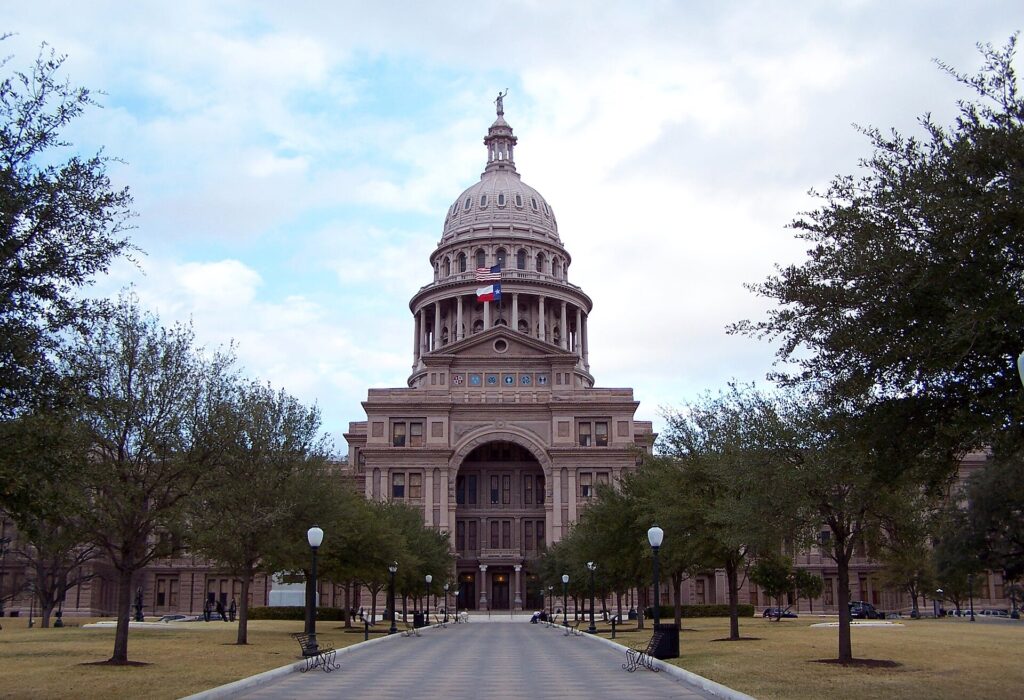
James Talarico (D), U.S. Senate. The state representative ran on raising the minimum wage, strengthening unions, and repealing GOP tax cuts for the wealthy while cutting taxes for the middle class and small businesses. He says he helped pass small-business tax cuts and a record property-tax cut in the Legislature. Paxton’s campaign and the NFIB, which endorsed Paxton, attacked his votes against constitutional bans on a state income tax and on estate taxes, and his support for wage mandates.
Gina Hinojosa (D), Governor. Hinojosa ousted three-term Gov. Greg Abbott. She campaigned on a one-time $1,500 rebate per household from the state’s Rainy Day Fund (about $17 billion), suspending the state gas tax, and paying for property-tax relief by ending “corporate giveaways.” Abbott had proposed eliminating school property taxes for homeowners. She says she opposes a state income tax.
What it could mean: Texas hotels pay commercial property tax, and neither governor’s plan was aimed at them. A Hinojosa administration is more likely to scrutinize business tax incentives than to expand them, which matters for new development deals. The Legislature still writes Texas tax law, so watch the January 2027 session. A gas-tax holiday would help drive-in leisure demand.
Florida: steady hands, property-tax push continues
Byron Donalds (R), Governor. Donalds won narrowly over David Jolly and backs repealing homestead property taxes, through a state tax commission in 2027 if not by ballot. Amendment 3, on Tuesday’s ballot, would raise the homestead exemption to $150,000 in 2027 and $250,000 in 2028; it needed 60% to pass, and results were still being counted early Wednesday. Ashley Moody (R) held the Senate seat.
What it could mean: Hotels are not homesteads. If homeowner property taxes shrink, counties will look for revenue elsewhere, and commercial property and tourist taxes are obvious targets. Donalds himself once said full repeal would mean doubling the sales tax. Florida owners should engage early in the 2027 commission.
North Carolina, Ohio, Georgia: the swing-state trio
- Roy Cooper (D), North Carolina. Ran a “Make Stuff Cost Less” campaign aimed at tariffs and fuel costs. Expect him to back tariff rollbacks, which could ease FF&E costs if one ever survives a veto.
- Sherrod Brown (D), Ohio. Returns after losing in 2024. He has long argued large corporations don’t pay their fair share. Most hotels are pass-throughs, not big corporations, but REITs and brand companies may face sharper questions in hearings.
- Jon Ossoff (D), Georgia. Re-elected over Rep. Mike Collins. His win was the night’s first major call and kept a seat Republicans had targeted most. Expect continuity for Georgia hotel owners.
California: hotel taxes on the local ballot
The most direct hit to hotels came at the city level. Early Orange County returns showed voters backing hotel tax hikes in Orange (10% to 14%), Westminster (8% to 10%), Placentia (10% to 14%) and Los Alamitos (8% to 12%). Los Angeles County cities including Burbank, Culver City and Hawthorne had similar measures on the ballot.
What it could mean: Higher occupancy taxes raise the all-in price guests see and can push budget travelers to neighboring cities. California owners should check their city’s result and update rate strategy before group contracts are signed.
Your post-election checklist
- Federal business: If you depend on government or contractor travel, plan for a possible lapse starting Dec 12 and hold some cash in reserve.
- Capital spending: Keep 2027 renovations and PIPs on schedule. 100% bonus depreciation is permanent; ask your CPA about cost segregation.
- Budget: Plan for about 2% RevPAR growth, softer economy and midscale, and a weak June and July against World Cup comps.
- FF&E pricing: Budget at today’s tariff levels. Treat any rollback as upside.
- Labor: File H-2B paperwork early in January, keep I-9 records clean, and plan for wage growth above inflation.
- State and local taxes: Texas and Florida owners, watch the January 2027 legislative and tax-commission debates. California owners, check your city’s occupancy-tax vote.
- Get involved: AHLA and AAHOA both run Capitol Hill days. With new members arriving January 3, the first months of 2027 are the time to introduce your hotel to your new senator or representative.
Sources
Results: CBS News, CBS House, NBC News, CNBC, Washington Post, NPR, KUT, NBC Miami. Washington agenda: ABC7, The Hill, No Labels. Taxes: FactCheck.org, Brownstein. Industry and demand: AHLA, Hotel Dive, CBRE, Asian Hospitality, Axios. Labor: Asian Hospitality, National Immigration Forum. Markets: Bloomberg, Fox Business, Reuters. Candidates: Texas Public Radio, Washington Examiner, KERA, WLRN, NPR. Local hotel taxes: Voice of OC.



Comments
No comments yet. Start the conversation.