Tulsa Hotel Tax Rises to 9.9% in 2027: What Hotel Owners and Guests Will Pay
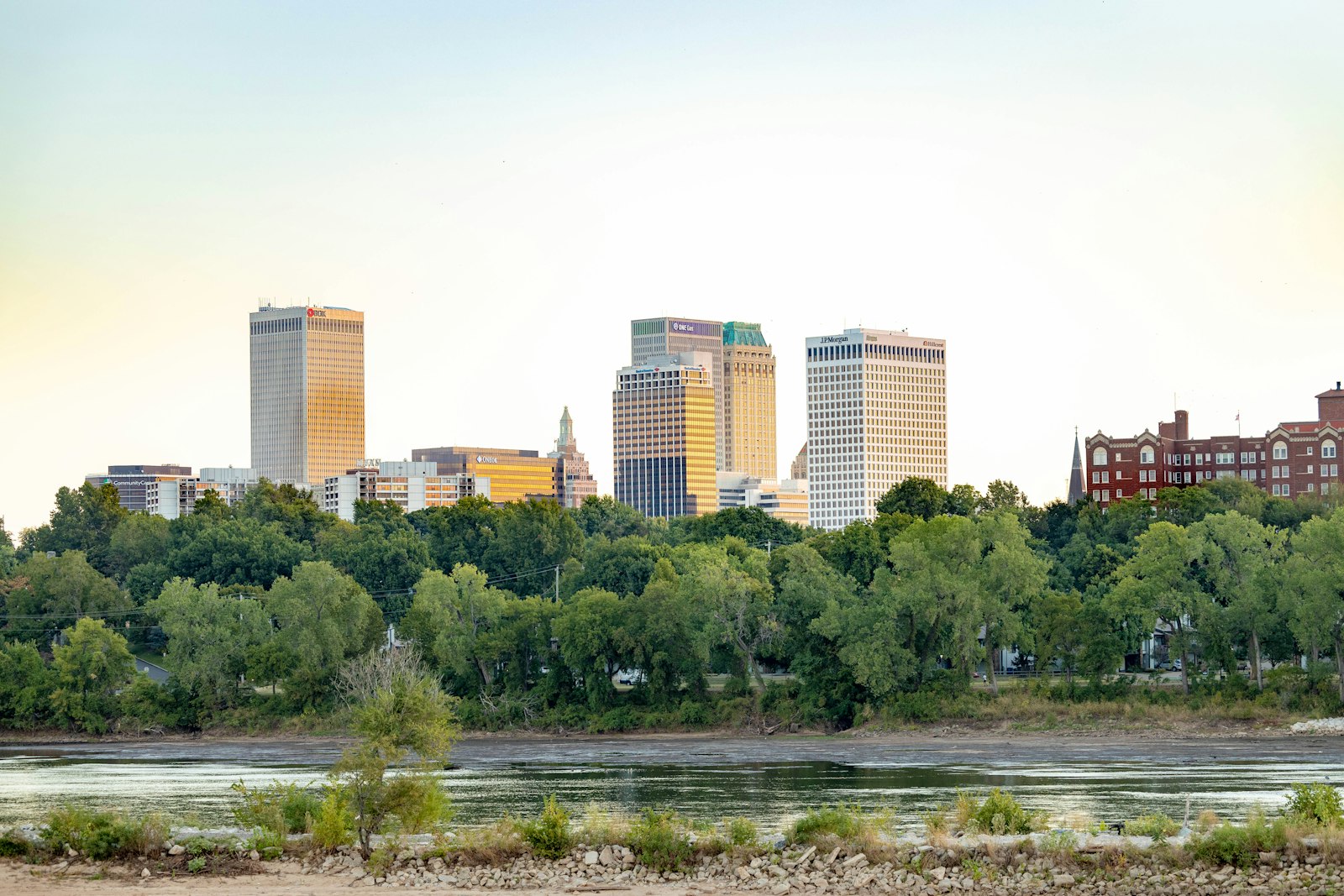
Tulsa voters on Tuesday approved nearly doubling the city’s hotel guest tax, from 5% to 9.9%, starting Jan. 1, 2027. It is the city’s first increase in more than 40 years. Here is what passed, who pays it, what it adds to a typical night, and what hotel owners in Tulsa and other cities should take from it.
The result: about 57% said yes
The measure passed with about 57% of the vote, more than 61,000 yes votes to more than 46,000 no votes, according to the Tulsa Flyer. Mayor Monroe Nichols told News On 6 on Wednesday that the money will go to reinvesting in the BOK Center and the convention center, promoting Tulsa nationally and internationally, and attracting more major events.
Tulsa’s new hotel tax rate at a glance
- Old rate: 5%
- New rate: 9.9%
- Starts: Jan. 1, 2027
- Covers: hotels, motels, inns and short-term rentals such as Airbnb and Vrbo with five or more rooms, even if the rooms are spread across more than one building
- Not taxed: food, drinks, parking, equipment fees, early check-in and late check-out fees, and damage charges
- Exempt: permanent residents (generally stays of 30 or more days in a row), the U.S. government, the State of Oklahoma and its political subdivisions, and 100% permanently disabled veterans certified by the VA
What it costs per night
On a $150 room night, Tulsa’s hotel guest tax goes from $7.50 to about $14.85, an extra $7.35 a night. On a three-night stay at $200 a night, it goes from $30 to about $59.40. These figures are the city hotel guest tax only; other state and local taxes on the bill are separate and are not part of this change.

Where the money goes
The city brought in about $10.4 million from the 5% rate in 2026 and estimates about $20.6 million a year at 9.9%. (The city’s own page describes the $20.6 million as both the total and as “additional” money in different places; the math, 9.9% versus 5% on the same revenue, points to $20.6 million being the total.)
The city plans to issue $80 million in revenue bonds for upgrades at the BOK Center and the Arvest Convention Center, repaid from hotel tax revenue. Combined with $48 million already available from capital reserves, Oak View Group and the Improve Our Tulsa 3 program, that adds up to $128 million in projects at the two venues. The Tulsa Flyer reports the BOK Center work includes a new roof, bathrooms, seats, scoreboard, dressing and locker rooms, suites and a premium-level restaurant, while the convention center’s meeting spaces, carpet, paint and airwalls have not been updated since the 1980s.
The city lays out three phases:
- From Jan. 1, 2027: facility upgrades and paying down the bonds faster.
- From Jan. 1, 2031: more money shifts to marketing and tourism, with facility payments continuing.
- After the bonds are paid: the most money goes to marketing.
How Tulsa compares
Even at 9.9%, Tulsa lands close to its in-state rivals. The city’s own comparison lists Oklahoma City and Midwest City at 9.25% and Norman at 10%. It also notes that Oklahoma City collects about $36.7 million a year from its lodging tax, Albuquerque about $18.4 million and Memphis about $14.6 million.
Mountain View, Calif., voted for a higher hotel tax too
Tulsa wasn’t alone. In Mountain View, Calif., early returns late Tuesday showed Measure F passing with about 78.5% of the vote, according to the Mountain View Voice. It lets the City Council raise the hotel tax from 10% to as much as 15%, which a city analysis says would bring in about $5.2 million more a year. The council has not set the new rate, and the count was not final when this was published. We are still waiting on results for hotel tax measures in Pleasanton (Measure HH) and Alhambra (Measure HT), Calif., and will update this article.
Why hotel tax hikes keep passing
Lodging taxes are among the easiest taxes to pass, because the people who pay them mostly don’t live in the city and can’t vote on them. Tulsa’s own materials make this point: residents only pay the tax if they book a stay in covered lodging in the city. Tulsa’s tourism and business groups backed the measure, and the city argues upgraded venues will bring more events and more room nights.
For hotel owners, the trade-off is real either way. Better arenas and meeting space can fill rooms. But a nearly 10% tax line on the folio is also something guests and meeting planners see when they compare Tulsa to the next city over.
What Tulsa hotel owners should do now
- Update 2027 budgets. The new rate applies to stays starting Jan. 1, 2027, so rates quoted now for next year should show the higher tax.
- Check group and corporate contracts. Look at how contracts for 2027 stays handle taxes (“plus applicable taxes” versus a fixed all-in rate), and tell clients before they see it on the bill.
- Short-term rental operators with five or more rooms are covered too, even if the rooms are in different buildings.
- Update your PMS and booking engine before Jan. 1 so the new rate is charged correctly, and check with your accountant on filing.

FAQ: Tulsa hotel tax
What is the Tulsa hotel tax rate in 2027?
9.9%, up from 5%, starting Jan. 1, 2027.
Does the Tulsa hotel tax apply to Airbnb?
Yes, for short-term rentals with five or more rooms, including Airbnb and Vrbo, even across multiple buildings.
Do Tulsa residents pay the hotel tax?
Only if they book a stay in covered lodging in Tulsa of fewer than 30 days in a row.
What is the hotel tax money used for?
Upgrades at the BOK Center and the Arvest Convention Center (backed by $80 million in revenue bonds), plus tourism marketing and recruiting major events.
Is parking or room service taxed?
No. Food, drinks, parking, equipment fees, early check-in and late check-out fees, and damage charges are not subject to the hotel guest tax.
Track every U.S. hotel sale we cover, with price per key, on our Hotel Transactions Desk.
Sources: Tulsa Flyer, Nov. 3, 2026; Tulsa City Council, Hotel Guest Tax; News On 6, Nov. 4, 2026; Mountain View Voice, Nov. 3, 2026.


Comments
No comments yet. Start the conversation.