Host’s $374M Hotel Buys: Brooklyn Leasehold at 8.2% Cap, Plano at 7.9%
Host Hotels & Resorts paid about $1.04 million a room for the 1 Hotel Brooklyn Bridge and about $558,000 a room for the Renaissance Dallas at Plano Legacy West. By Host’s own math, though, the cheaper-per-room suburban hotel was the more expensive deal: 11.2 times expected 2026 EBITDA, against 10.2 times in Brooklyn.
One clear difference is what Host bought. In Brooklyn it bought a leasehold, not the land. The two purchases, announced Nov. 4 by the country’s largest lodging REIT, come with the buyer’s own multiples, cap rates and earnings estimates, which makes them a useful pricing benchmark if you own, sell or broker hotels.
The two deals at a glance
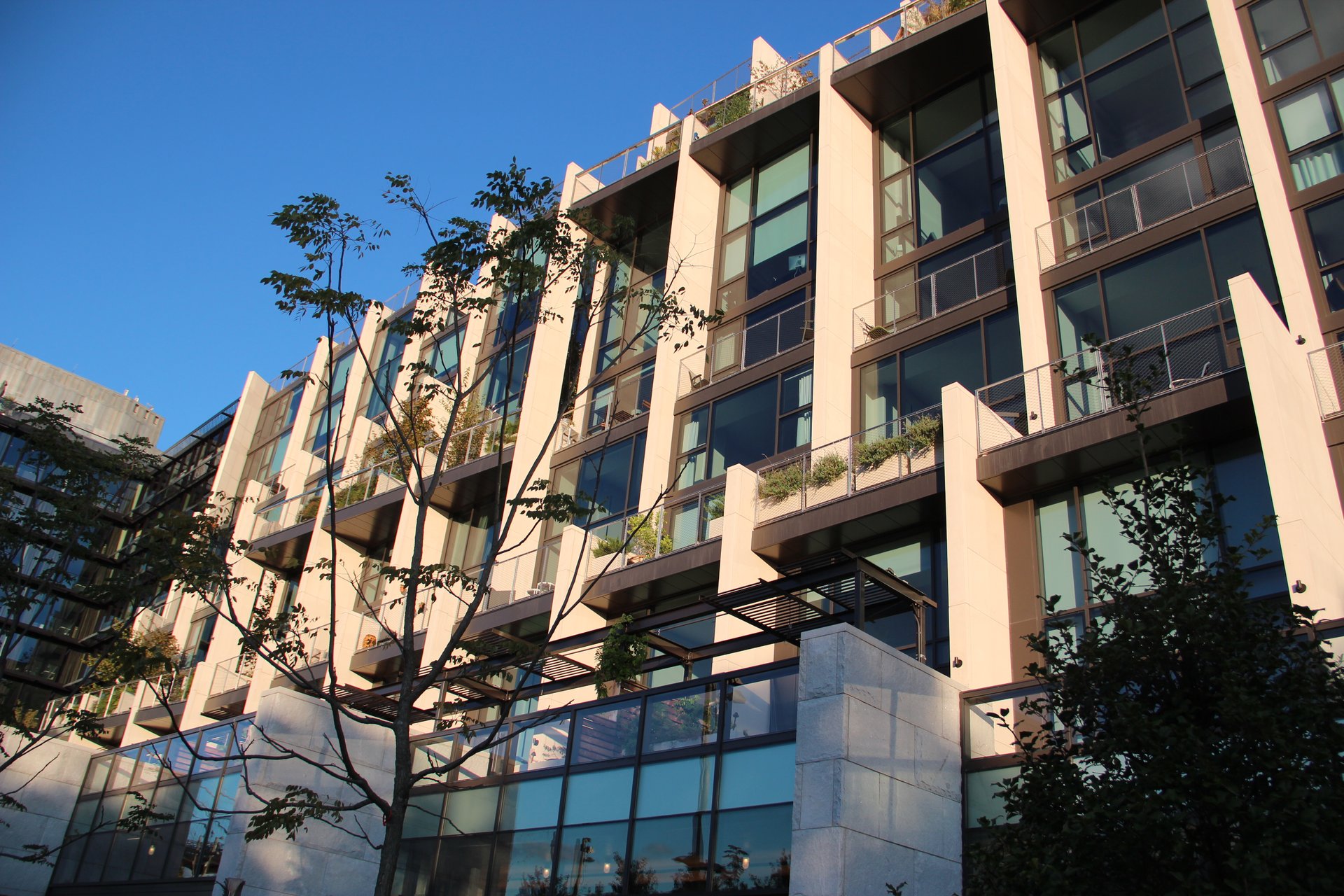
- 1 Hotel Brooklyn Bridge (195 rooms, DUMBO, opened 2017): $202 million in cash for the leasehold interest, net of a $4 million furniture, fixtures and equipment (FF&E) reserve. The ground lease, with what Host calls a “government nonprofit lessor,” has 83 years left and runs to 2109. Host puts the price at 10.2 times EBITDA, or a cap rate of about 8.2%, on the hotel’s 2026 estimated results. The deal closed Oct. 30.
- Renaissance Dallas at Plano Legacy West (308 rooms): about $172 million in cash for the fee simple interest, at 11.2 times EBITDA, or a cap rate of about 7.9%, on 2026 estimates. The deal closed Oct. 14.
What Host expects each hotel to earn
Host expects the 1 Hotel to post 2026 total RevPAR of $1,130, RevPAR of $615 and EBITDA of about $100,000 per room, enough to rank among its top 10 assets. For the Renaissance it expects total RevPAR of $380, RevPAR of $200 and EBITDA of about $50,000 per room, which would put it among its top 25 by total RevPAR and EBITDA per room.
Host did not disclose either hotel’s revenue or margin. Using its per-room figures, our rough estimates are:
- Annual revenue: about $80 million at the 1 Hotel and about $43 million at the Renaissance (total RevPAR times rooms times 365 days).
- EBITDA: about $19.5 million and about $15.4 million.
- EBITDA margin: about 24% in Brooklyn and about 36% in Plano.
- FF&E reserve: Host deducted $3 million and $2 million of annual contractual reserve to get from EBITDA to the net operating income behind its cap rates. That is roughly 3.7% and 4.7% of our revenue estimates.
Those are our calculations, not Host’s. They suggest the Plano hotel turns far more of each revenue dollar into profit, while the Brooklyn hotel earns twice as much per room.
The order flips on a GAAP basis. Host says the 1 Hotel price is 20 times expected 2026 net income of $10 million (a 5.0% yield) and the Renaissance price is 18 times its expected $10 million (5.7%). The gap comes from depreciation, which Host puts at $10 million in Brooklyn and $5 million in Plano.
Why the leasehold may have priced lower
Host did not say why the two multiples differ, and this section is our analysis. Buyers usually pay less for a leasehold than for owning the land, because the land does not come with the deal and the lease terms limit what the hotel is worth when it is sold or refinanced. An 83-year term is long by ground-lease standards, but the 1 Hotel still traded about one turn of EBITDA below the Renaissance even though it is expected to earn twice as much per room.
The Plano bet
Renaissance Plano is Host’s first hotel in Dallas-Fort Worth. Host says it is the only hotel in Legacy West, a 240-acre mixed-use development, with 16 suites and 35,000 square feet of meeting space. Host says the Plano-Frisco area is home to more than 75 Forbes Global 2000 companies and expects it to keep benefiting from corporate relocations and arena entertainment district developments. For local context, see our Dallas-Fort Worth hotel market page and our look at Plano’s arena hotel-tax vote.
The Brooklyn bet
Host describes the 1 Hotel as Brooklyn’s only branded luxury hotel and the first new-build 1 Hotel. It has 29 suites, 12,000 square feet of meeting space, a spa and a rooftop pool. It is Host’s first hotel in Brooklyn and its fourth in New York City, according to Hotel Dive, which noted that Host bought 1 Central Park from Starwood Capital Group in 2024 for $265 million. See our New York City hotel market page for the market backdrop.
“We are pleased to add two high-quality, market-leading properties to our portfolio at attractive valuations,” CEO James Risoleo said in the release.
The quarter behind the deals
Host announced the purchases alongside its third-quarter results. Comparable hotel RevPAR rose 8.8% to $219.50, and comparable total RevPAR rose 7.3%. Host raised its full-year forecast to about 6.75% RevPAR growth and about 6.0% total RevPAR growth. It says the two hotels should add $6 million of EBITDA during its 2026 ownership period. In its quarterly 10-Q filing, Host said it invested about $375 million to complete the two acquisitions.
What it means for owners and brokers
- Ask which cap rate you are being quoted. Host’s cap rates use 2026 estimated net operating income after a contractual FF&E reserve. When Braemar agreed to sell the Four Seasons Scottsdale, its Oct. 8 release quoted a 6.2% cap rate on trailing 12-month NOI (our coverage). The two numbers are not measured the same way.
- Price the ground lease. If you own a leasehold hotel, expect buyers to price it below a comparable fee-simple asset. Know your remaining term, rent resets and lender requirements before you go to market.
- Price per room is not value. At $1.04 million versus $558,000 a room, the Brooklyn hotel looks far richer. On EBITDA, it was the cheaper purchase.
- Suburban corporate markets are drawing REIT money. For Plano-Frisco owners, Host has set a public mark: about $558,000 a room and 11.2 times EBITDA for a full-service hotel with heavy meeting space.
For more pricing marks, see our October hotel deals report and the Hotel Transactions Desk.
Sources: Host Hotels & Resorts acquisition release, Nov. 4, 2026; Host third-quarter 2026 results, Nov. 4, 2026; Host Form 10-Q, filed Nov. 6, 2026. Additional reporting: Hotel Dive.

Comments
No comments yet. Start the conversation.